Curtis.Castiglione@ROzebra.com

Why Is My Nissan Frontier Losing Power? Causes and Diagnostic Guide
You are pulling out onto a busy highway, you press the gas pedal down to merge, and suddenly, your Nissan Frontier just does not want to go. Instead of that familiar kick of acceleration, the engine stumbles, the RPMs refuse to climb, or the truck feels like it is dragging a heavy anchor behind it.
In the automotive world, we call this a loss of power. For a Frontier owner, it can be anything from a minor annoyance during a Sunday drive to a major safety concern when you are trying to keep up with fast-moving traffic. When your truck loses its "get-up-and-go," it is usually because the engine is missing one of three vital ingredients: air, fuel, or a well-timed spark.

As a technician, I see this frequently in mid-size pickups. Identifying the root cause requires looking at how these systems interact with the onboard computer. Let’s break down why your Nissan Frontier is losing power and what you can do about it.
Why Your Nissan Frontier is Losing Power
The most common reason a Nissan Frontier loses power is a disruption in the air-fuel ratio or an exhaust restriction. Your truck’s computer, the Engine Control Module (ECM), acts as the brain of the vehicle. It relies on a network of sensors to determine exactly how much fuel and air to mix for the perfect combustion. If a sensor sends bad data, or if a mechanical part fails to deliver the goods, the engine will struggle to produce the horsepower you expect.
When the balance is off, you might experience engine hesitation, where the truck pauses before responding to your foot, or a total lack of throttle response.
Most Common Causes of Power Loss
If your Frontier feels sluggish, it usually boils down to one of these five culprits:
- Mass Airflow Sensor (MAF) Failure: This is one of the most frequent issues we see in the shop. The MAF sensor measures the volume of air entering the engine. Over time, dust, debris, or oil from aftermarket filters can coat the sensor wire, leading to inaccurate readings. This often causes the engine to bog down or "cough" during acceleration.
- Fuel Delivery Problems: If your fuel pump is wearing out or the fuel filter is clogged, the engine will not get enough gasoline under high-load situations. You might notice the truck runs fine at a red light but feels gutless when you try to climb a steep hill or overtake another vehicle.
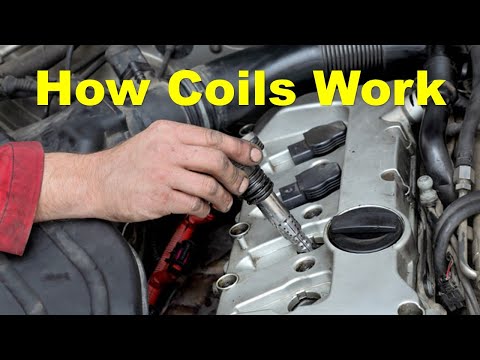
- Ignition System Issues: Nissan Frontiers use an ignition coil-on-plug system. If an ignition coil fails or your spark plugs are fouled with carbon, you will experience a misfire. This feels like a rhythmic shudder or jerking sensation, often accompanied by a check engine light.
- Throttle Body Deposits: Modern Frontiers use electronic throttle control. If carbon deposits build up around the throttle body plate, it can stick or fail to open correctly. This leaves the engine starved for air, making the truck feel heavy and unresponsive.
- Clogged Catalytic Converter: Think of this as trying to run a marathon while breathing through a straw. If the exhaust gases cannot exit the engine quickly because the catalytic converter is melted or clogged, backpressure builds up. This leads to a massive loss of power, especially at higher speeds.
Understanding Limp Mode
If your Frontier suddenly loses a massive amount of power and refuses to shift out of a lower gear or rev above 2,500 RPM, your truck has likely entered Limp Mode.
Limp mode is a programmed fail-safe designed to protect the engine or transmission from catastrophic damage. If the computer detects a severe fault—such as a transmission solenoid failure, a major sensor malfunction, or an overheating condition—it intentionally reduces engine power. This allows you to "limp" home or to a repair shop without completely destroying the motor or gearbox.
How to Diagnose the Issue
Before you start throwing money at the problem by replacing expensive parts, you must perform proper engine diagnostics. The first step for any Nissan owner should be to scan for diagnostic trouble codes (DTCs) using an OBD-II scanner.

These codes act as a roadmap. For example, a P0101 code points directly to the mass airflow sensor, while a P0300 series code indicates an engine misfire. Even if your check engine light is not currently on, there may be "pending" codes stored in the system that can give you a head start on the repair.
Is It Safe to Continue Driving?
Generally, it is not recommended to drive a vehicle that is significantly losing power. If you cannot accelerate quickly enough to match the speed of traffic, you become a hazard to yourself and others.
Furthermore, if the power loss is caused by an engine misfire, continuing to drive can cause secondary damage. A misfire allows raw fuel to enter the exhaust system, which can quickly overheat and melt your catalytic converter. What could have been a $200 ignition coil repair can easily turn into a $2,000 exhaust overhaul.
Typical Repair Costs
Repair costs vary based on the specific diagnosis and your Frontier's model year. Here are some realistic price ranges in U.S. dollars:
- MAF Sensor Cleaning: $15 (DIY with specialized cleaner)
- MAF Sensor Replacement: $150 – $300
- Ignition Coils & Spark Plugs: $300 – $600
- Fuel Pump Replacement: $400 – $800
- Catalytic Converter Replacement: $1,000 – $2,500

Frequently Asked Questions
Can a dirty air filter cause power loss? Yes. A severely clogged air filter restricts the amount of air the engine can pull in. This leads to sluggish performance and poor fuel economy. It is the cheapest and easiest thing to check first.
Why is my check engine light flashing? A flashing light indicates a severe engine misfire that is currently occurring. This is an emergency situation. You should pull over and stop driving immediately to avoid destroying your engine or exhaust system.
Will a fuel injector cleaner fix the problem? If the issue is minor carbon buildup on the injectors, it might help improve throttle response. However, a liquid cleaner will not fix a mechanical failure like a dead fuel pump or a cracked ignition coil.
Conclusion
A Nissan Frontier losing power is a clear sign that the engine's delicate balance of air, fuel, and spark has been disrupted. Whether it is a simple fix like cleaning a sensor or a more involved repair like a fuel pump replacement, early diagnosis is key to keeping your truck on the road. Always start by scanning for codes to ensure you are fixing the right part the first time.
DISCLAIMER: Power loss symptoms and repair procedures vary significantly by Nissan Frontier model year, engine option (V6 vs. I4), mileage, and maintenance history. Always consult your owner's manual or a certified professional for specific guidance on your vehicle.



No Comments Yet
Be the first to comment on this article.