Curtis.Castiglione@ROzebra.com

Why Is My Car Making a Grinding Noise When I Reverse?
You shift your car into reverse, gently ease off the brake pedal, and start to back out of your driveway. Suddenly, instead of the usual quiet hum of your engine, you hear a harsh, metallic skreeeee or a deep, rhythmic crunching sound. It is a stomach-turning noise that makes every driver think the worst. Is the transmission about to fall out? Are the wheels going to lock up?
As a technician, I hear these concerns all the time. While a metal grinding sound is never something you should ignore, the cause can range from a simple pebble caught in your brakes to a more complex mechanical failure. Understanding why is my car making a grinding noise when I reverse is the first step toward a safe and cost-effective repair.
Why Your Car Grinds When Reversing
When you move backward, the mechanical forces acting on your vehicle change significantly. Your engine and transmission shift slightly on their mounts, and the suspension geometry alters as the weight transfers in a way it does not during forward motion. This shift in "play" often causes worn components to touch or vibrate only when the wheels spin in the opposite direction.
Most Common Causes of Reversing Noise
The Brake System and Surface Rust
One of the most frequent reasons for a grinding noise in reverse is actually quite harmless. If your car has been sitting overnight or in damp weather, a thin layer of surface rust can form on the brake rotor. When you first move the vehicle, the brake pads scrape this rust off, creating a brief grinding sound. This should disappear after two or three stops.
However, if the noise persists, your brake pads may be worn down to the wear indicator—a small metal tab designed to screech when the pads are low. If the pads are completely gone, you are experiencing metal-on-metal contact between the brake pad backing plate and the rotor, which requires immediate attention to avoid destroying the rotors.

The Brake Backing Plate
The backing plate is a thin metal shield located behind the rotor. It is designed to keep road debris away from your braking components. Because it is made of thin metal, it can easily be bent by a stray rock or during a previous tire change. If it gets pushed inward, it can rub against the rotor. This often causes a very loud, high-pitched metal grinding sound that is particularly noticeable when the wheels change direction, such as when you shift from drive to reverse.
Wheel Bearing Failure
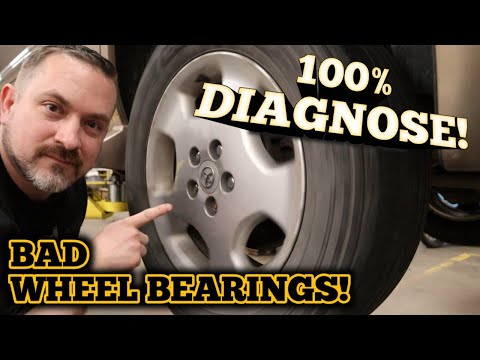
A wheel bearing allows your wheel to spin freely with minimal friction. When a bearing begins to fail, the internal metal balls or rollers lose their lubrication and begin to grind against the housing. While wheel bearing noise is usually a low hum that gets louder with speed, you may hear it as a crunching sound when reversing because the weight of the car puts pressure on the worn components in a different way.
CV Joints and Axles
If you hear the grinding noise specifically while reversing and turning the steering wheel, the culprit is often a CV joint (Constant Velocity joint). These joints are protected by rubber boots that hold in grease. If a boot tears, the grease leaks out and dirt gets in, causing the joint to wear down and produce a distinct clicking or grinding sound.
Transmission and Differential Issues
In some cases, the reversing noise may be coming from the drivetrain itself. The reverse gear in your transmission is often straight-cut rather than helical, which makes it naturally a bit louder than forward gears. However, a heavy grinding could indicate a worn reverse synchronizer or a problem with the gear set. Similarly, if your vehicle is rear-wheel or all-wheel drive, a worn differential can produce a grinding noise as the gears mesh improperly while moving backward.
How to Diagnose the Source of the Noise
To help your mechanic diagnose the issue quickly, try to isolate when and where the noise occurs:
- Does it happen only when you touch the brakes? It is likely a brake pad or rotor issue.
- Does it happen only when the steering wheel is turned? This points toward the CV joints or an axle issue.
- Does it happen even when coasting backward in neutral? The issue is likely a wheel bearing or a bent backing plate.
- Is it a sharp shrieking sound? Check for a small pebble trapped between the rotor and the dust shield.
Is It Safe to Continue Driving?
If the noise is caused by a tiny bit of surface rust that clears up after your first stop, your car is safe. However, persistent metal-on-metal grinding is a red flag. Worn brakes can fail during an emergency stop, and a seized wheel bearing can cause the wheel to lock up or even detach from the vehicle. If the noise is accompanied by a shaking steering wheel or a "slipping" feeling in the transmission, do not continue to drive; have the vehicle inspected immediately.
Typical Repair Costs
Repair costs vary significantly depending on the root cause and your vehicle type:
- Brake Pad Replacement: $150 to $300 per axle.
- Brake Rotor and Pad Replacement: $400 to $600 per axle.
- Backing Plate Adjustment: $50 to $100 (often free if included with other brake services).
- Wheel Bearing Replacement: $200 to $500 per wheel.
- CV Joint/Axle Replacement: $250 to $600.
- Transmission Repairs: $1,500 to $4,000+ depending on the severity of the internal damage.
Frequently Asked Questions
Can a rock cause a grinding noise? Yes. A small pebble trapped between the brake rotor and the dust shield can create a horrific grinding or shrieking noise that sounds much worse than the actual problem is.
Why does it only grind in reverse and not forward? This is often due to the "play" in worn parts. When you reverse, components shift in the opposite direction. A loose brake pad or a bent heat shield might only make contact with the rotating assembly when the wheels spin backward.
Conclusion
While a grinding noise in reverse is alarming, many causes are straightforward fixes if caught early. Whether it is a simple brake job or a more involved wheel bearing replacement, addressing the sound now will save you from more expensive collateral damage down the road. If the noise is persistent, consistent, or loud, schedule an inspection with a certified technician to ensure your vehicle remains safe on the road.
Disclaimer: Grinding noises can originate from several different mechanical systems. Repair procedures and costs vary significantly based on vehicle make, model, drivetrain type, and mileage. This guide is for informational purposes and does not replace a professional physical inspection.



No Comments Yet
Be the first to comment on this article.