Curtis.Castiglione@ROzebra.com

Why Is My Car AC Making a Whistling Noise?
You are driving down the highway on a sweltering afternoon, and you finally reach for the dial to blast the air conditioning. Instead of the refreshing rush of cold air you expected, you are greeted by a high-pitched sound that resembles a tea kettle or a distant siren. It is annoying, distracting, and frankly, a bit worrying. You might find yourself turning the radio up to drown it out, but that nagging feeling remains—something is not right under the dashboard.
As a technician, I hear this complaint almost every week during the summer months. When a customer comes into the shop describing a whistle, hiss, or squeak coming from their vents, it usually points to a few specific mechanical or airflow issues within the HVAC system. While it might sound like a mysterious "ghost in the machine," there is always a very logical, scientific reason for that high-pitched car air conditioner noise.
The Physics of the Whistle
In the simplest terms, a whistling noise is usually the result of air or fluid being forced through a space that is too small or restricted. Think of it like a person whistling with their lips; when you change the shape of the opening and push air through it at a high velocity, the sound changes.
In your car’s air conditioning system, this happens when there is a blockage, a leak, or a mechanical failure in the components that move the air and refrigerant. When air pressure or fluid pressure has nowhere to go, it "screams" through whatever tiny gap it can find. Understanding where that gap is located is the first step toward a quiet cabin.
Most Common Causes of AC Whistling
If you are wondering, "Why is my car AC making a whistling noise?" you should look into these four primary culprits that we see most often in the repair bay.
1. Clogged Cabin Air Filter
This is the most common cause and, thankfully, the easiest to fix. The cabin air filter is responsible for catching dust, pollen, and road debris before air enters your air vents. Over time, it gets packed with dirt and grime. When your blower motor tries to pull air through a completely blocked filter, it creates a massive pressure imbalance. The air begins to find tiny gaps around the edges of the filter frame or through small holes in the filter media, creating that signature whistling sound.

2. Worn or Obstructed Blower Motor
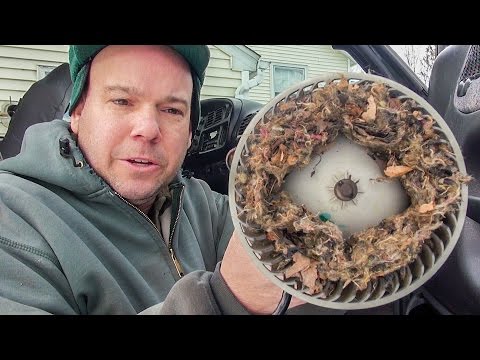
The blower motor is the fan responsible for pushing air through your vents. If the bearings inside the motor start to wear out, they can emit a high-pitched squeal. Additionally, if a small piece of debris like a leaf, a twig, or even a piece of paper gets stuck in the fan blades (often called a "squirrel cage"), it can produce a chirping or whistling noise. You will notice this sound gets significantly louder or changes in pitch as you increase the fan speed on your dashboard.
3. Refrigerant Leak
If the sound is more of a persistent AC hissing noise than a sharp whistle, you might be dealing with a refrigerant leak. Your HVAC system relies on highly pressurized gas to cool the air. If there is a tiny puncture in the evaporator or a loose seal in a high-pressure hose, the escaping gas sounds exactly like air leaking out of a bicycle tire. This is a "internal" whistle that often sounds like it is coming from deep behind the center console.
4. Expansion Valve or Orifice Tube Issues
These components are the "gatekeepers" of your AC system, regulating the flow of refrigerant. If they become partially restricted by internal debris or "sludge" from a failing compressor, the liquid refrigerant whistles as it struggles to pass through the narrowed opening. This is very similar to the sound of water rushing through a narrow pipe in a house.
How to Diagnose the Source of the Noise
To help your mechanic (and potentially save yourself some diagnostic labor costs), try to pin down exactly when the noise occurs by following these steps:
- Adjust the Fan Speed: Turn the AC off but leave the fan on. If the whistle happens only when the fan is on high, it is likely an airflow issue like a dirty cabin air filter or a failing blower motor.
- Toggle the AC Button: Switch the air conditioning on and off. If the whistle happens only when the AC compressor kicks in, it is more likely a pressure issue within the refrigerant lines or a failing expansion valve.
- Check the Vents: Sometimes a whistle is as simple as one of the air vents being partially closed. Ensure all dashboard vents are fully open and clear of any obstructions like phone mounts or air fresheners.
Is it Safe to Keep Using the AC?
Generally, a whistling AC is not a safety hazard that will leave you stranded on the side of the road. However, it is a sign of extreme inefficiency. If the noise is caused by a refrigerant leak, your AC will eventually stop blowing cold air entirely.
More importantly, refrigerant carries the oil that lubricates the AC compressor. If the refrigerant leaks out, the compressor will run "dry," leading to a total internal meltdown. If the noise is coming from the blower motor, the fan could eventually seize, leaving you with no airflow at all—which can be a safety issue if you need your defroster to clear the windshield on a rainy or foggy day.
Typical Repair Costs
Repair costs can vary significantly based on the root cause of the noise and the make of your vehicle:
- Cabin Air Filter: A quick fix costing between $30 and $70. This is a great DIY project that can be done in minutes.
- Blower Motor Replacement: Depending on how difficult it is to access the motor, expect to pay between $250 and $600, including parts and labor.
- Refrigerant Leak and Recharge: Diagnosing a leak with a UV dye test and recharging the system typically costs $150 to $300.
- Major Components: If the whistle is caused by a failing AC compressor, condenser, or evaporator core, repairs can range from $700 to $1,500 or more.

Frequently Asked Questions
Can a whistling noise go away on its own? It is very rare. If the noise is caused by a loose leaf in the blower motor, it might eventually break apart and blow out, but most whistling sounds indicate a physical restriction or a leak that requires manual repair.
Why does the whistle get louder when I accelerate? This often points to an issue with the vacuum-operated doors in your dashboard that control the direction of airflow, or it could be related to the AC compressor belt slipping under the higher engine load of acceleration.
Conclusion
A whistling car AC is your vehicle’s way of telling you that the system is working too hard to move air or fluid. While it might start as a minor annoyance, catching it early can prevent a total system failure and a much higher repair bill down the road. Start by checking your cabin air filter, and if that doesn’t silence the whistle, it is time to head to a professional to check your pressure levels and blower motor health.
Disclaimer: AC system noises and repair costs can vary significantly based on your vehicle's make, model, and local climate conditions. Always consult with a certified technician for a formal diagnosis.



No Comments Yet
Be the first to comment on this article.