Curtis.Castiglione@ROzebra.com

Why Does My Car Keep Locking Itself?
Imagine this: You have just pulled into your driveway, stepped out to grab the mail, and left the engine running for a moment. Suddenly, you hear that unmistakable, metallic click. You reach for the handle, but it is too late—your car has locked you out.
As a specialized automotive technician, I hear about this poltergeist behavior all the time. It is one of the most frustrating experiences a driver can face, especially when it feels like your vehicle has developed a mind of its own. Whether your car doors are locking automatically while you are driving or while the vehicle is parked, there is usually a logical electronic or mechanical explanation behind the mystery. If you are asking, why does my car keep locking itself, you are not alone, and the fix might be simpler than you think.
Is It Normal for a Car to Lock Itself?
Before we dive into potential repairs, it is important to determine if your vehicle is actually malfunctioning or just doing its job. Many modern automatic door locks are programmed with specific safety features that can catch owners off guard:
- Passive Re-locking: If you unlock your car using your remote keyless entry but do not physically open a door within 30 to 60 seconds, the vehicle security system assumes the button was pressed by accident. It will relock the doors to keep the vehicle secure.
- Speed-Sensing Locks: Almost all modern cars are designed to lock all doors once the vehicle reaches a certain speed—usually between 5 and 15 mph.
In many cases, these features are configurable through your infotainment screen or a specific sequence of button presses. If the locking happens consistently at these times, your car is likely operating exactly as intended.
Common Causes of Unexpected Locking
If your car doors are locking automatically at random intervals or when the keys are still in the ignition, we need to look at the hardware. Here are the most common culprits I see in the shop:
1. A Faulty Key Fob
The key fob is often the simplest culprit. Over time, internal buttons can wear down or become sticky, causing them to send a lock signal even when you are not touching them. Additionally, a low battery in the fob can cause it to send erratic signals to the car receiver.

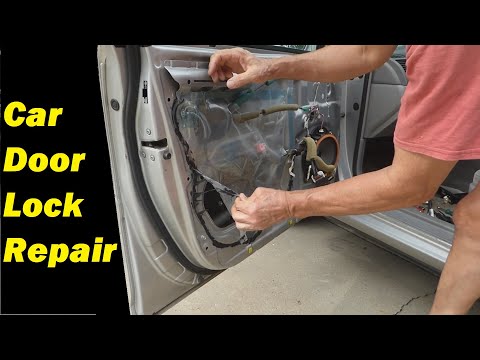
2. Failing Door Lock Actuator
The door lock actuator is the small electric motor inside the door panel that physically moves the locking mechanism. If the internal sensors in the actuator fail, they might falsely report that the door is unlocked when it is actually locked. To fix the state, the computer triggers a lock cycle, leading to that repetitive clicking sound.
3. Body Control Module (BCM) Issues
Think of the Body Control Module (BCM) as the brain of your car cabin electronics. It manages everything from the interior lights to the power door locks. If the BCM suffers a software glitch or internal hardware failure, it can send phantom commands to the locks.
4. Frayed Wiring or Short Circuits
The wires that run from the car body into the door pass through a rubber boot in the door jamb. Because this area flexes every time you open and close the door, the wires can eventually fray. If a lock signal wire shorts against the metal frame, it will trigger the locks instantly. This is one of the more common electrical issues I see in older, high-mileage vehicles.

How to Diagnose the Problem
When a customer brings a car to me with this issue, I always suggest the Spare Key Test first.
The Spare Key Test: Leave your primary fob far away from the car (inside the house) and use your spare key for a few days. If the problem stops, you have confirmed that your primary key fob has a stuck button or an internal short.
If the problem persists, pay attention to the environment:
- Does it happen when it rains? This suggests moisture is entering a door switch.
- Does it happen when you hit a bump? This points toward a loose connection or a frayed wire in the door hinge.
- Do you hear a machine gun clicking? This is a classic symptom of a failing door lock actuator.
Is It Safe to Continue Driving?
While ghost locking is generally safe while driving, the primary risk is a total lockout. If your car locks itself while the keys are inside, you are looking at an expensive call to a locksmith.
There is also a safety concern if the locks cycle repeatedly while driving; it can be a major distraction and may indicate a BCM issue that could eventually affect other systems like your wipers or headlights. I recommend addressing the issue before you find yourself stranded.
Typical Repair Costs
Repair costs vary based on your vehicle make and model:
- Key Fob Replacement: $50 – $400 (depending on if dealer programming is required).
- Door Lock Actuator: $200 – $600 per door (parts and labor).
- Wiring Repair: $100 – $300 for soldering and insulation.
- Body Control Module (BCM): $500 – $1,200 (these often require VIN-specific programming).
Frequently Asked Questions
Can a low car battery cause the locks to act up? Yes. When a battery voltage drops, electronic modules like the BCM can behave erratically, leading to ghost locking or even triggering the alarm.
Can I turn off the automatic locking feature? In many vehicles, yes. Check your owner manual under Settings or Convenience Features. You can often disable speed-sensing locks.
Conclusion
If your car keeps locking itself, do not panic—but do not ignore it either. Start by checking your settings and testing your spare key fob. If the issue feels like a deeper electrical issue, have a professional technician use a diagnostic scanner to check the BCM for event codes that can pinpoint exactly which door is triggering the command.

DISCLAIMER: Automatic locking features and electronic systems vary significantly by vehicle make, model, trim level, and model year. Always consult your owner manual for specific information regarding your vehicle features and safety protocols.



No Comments Yet
Be the first to comment on this article.