Curtis.Castiglione@ROzebra.com

Why Does My Car Jerk When Changing Gears?
By Curtis Castiglione
Have you ever been pulling away from a stoplight, expecting a smooth transition into second gear, only to have your car lurch forward with a bone-jarring thud? It feels like someone just tapped your bumper from behind, or like the vehicle is momentarily hesitating before slamming into place. Drivers often describe this sensation as a "kick," a "shudder," or "lurching." Regardless of the name, experiencing harsh shifting is one of the most unsettling things a driver can encounter. You immediately start wondering if you are about to be stranded or if you are looking at a repair bill that costs more than the car is worth.
As a specialized automotive technician, I have seen this symptom hundreds of times. While a jerking sensation is a serious red flag, it does not always mean your transmission is headed for the scrap heap. Understanding why does my car jerk when changing gears is the first step toward getting back to a smooth, confident drive.
The Most Common Causes of Harsh Shifting
When your vehicle stops shifting smoothly, the problem usually falls into one of three categories: fluid issues, electronic failures, or mechanical wear.
1. Transmission Fluid Issues
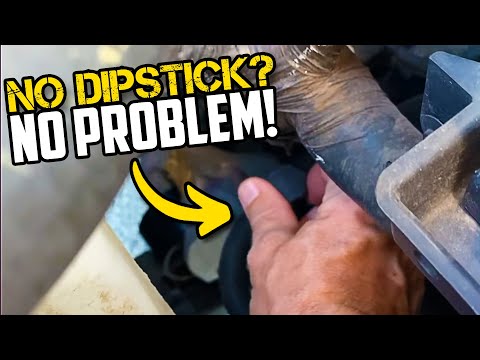
The most common reason for rough gear changes is actually the simplest: your transmission fluid. In an automatic transmission, this fluid acts as a hydraulic lubricant that allows the gears to shift. It provides the pressure necessary to engage various clutch packs and gear sets.
- Low Fluid: If the fluid level is low, the system cannot build enough pressure to move internal components quickly or smoothly. This leads to a delay, followed by a violent engagement once the pressure finally builds.
- Dirty or Burnt Fluid: Over time, fluid breaks down due to heat. If the fluid is old, dark, or contaminated with metal shavings, it loses its ability to lubricate. This leads to transmission slipping and inconsistent gear engagement.
2. Failing Shift Solenoids and Electronics
Modern vehicles are essentially computers on wheels. Your car has a Transmission Control Module (TCM), which acts as the brain of the gearbox. This computer tells a component called a shift solenoid when to open or close to allow fluid to move the gears.
If a solenoid fails or the TCM receives bad data from a speed sensor, the timing of the shift gets thrown off. The result is a violent transition because the engine and transmission are no longer "talking" to each other correctly. In many cases, this will trigger a "Check Engine" or "Transmission" light on your dashboard.

3. Torque Converter and Drivetrain Problems
The torque converter is the bridge between the engine and the transmission. If the internal bearings or the lock-up clutch inside the converter begin to fail, you may experience a shudder or a jerk specifically when the car is cruising at steady speeds or shifting into higher gears. Additionally, issues in the drivetrain, such as worn-out U-joints or CV axles, can cause a "clunk" that feels like a gear shift problem but is actually physical play in the rotation of the wheels.
4. Engine Performance Issues
Interestingly, what feels like a transmission problem might actually be an engine misfire. If you have worn spark plugs or ignition coil failures, the car may jerk right when it is supposed to shift. Because shifting puts a specific load on the engine, a weak spark can cause the car to stumble. To the driver, this "stumble" feels identical to a failing gearbox.
Is It Safe to Continue Driving?
Generally, no. If your car is jerking, the drivetrain is under unnecessary stress. Every time the car "slams" into gear, it puts massive strain on the mounts, gears, and axles. Continuing to drive can turn a $200 sensor repair into a $4,000 total transmission rebuild.
In some cases, the car may even enter "limp mode." This is a failsafe where the computer restricts the vehicle to a single gear (usually second or third) to prevent further damage. This can be dangerous if it happens while you are merging onto a highway or navigating heavy traffic, as you will lose the ability to accelerate normally.
Typical Repair Costs
The cost to fix a jerking car varies significantly based on the root cause:
- Transmission Fluid Flush and Filter: $150 – $300.
- Shift Solenoid or Sensor Replacement: $300 – $800.
- Engine Tune-up (Spark Plugs/Coils): $200 – $600.
- Transmission Rebuild or Replacement: $2,500 – $5,000+.
Frequently Asked Questions
Why does my car jerk more when the engine is cold? Transmission fluid is thicker when cold and does not flow as easily through the small passages of the valve body. As the fluid warms up and thins out, the shifting often smooths out. However, if the jerking is prominent when cold, it is a sign that your fluid may be old or your internal seals are beginning to harden.
Can a bad motor mount cause jerking? Yes. If the rubber mounts holding your engine and transmission in place are cracked or broken, the entire drivetrain will rock back and forth during a gear change. This creates a physical "thud" or "jerk" that feels like a bad shift but is actually the engine moving under the hood.
How often should I change my transmission fluid? Most manufacturers recommend every 30,000 to 60,000 miles. Even if your manual says "lifetime fluid," most technicians recommend changing it every 50,000 miles as the best insurance against rough gear changes.
Conclusion
If your car is acting up, start by checking the dipstick. If the fluid is dark, opaque, or smells like burnt toast, get it to a professional immediately. Don't wait for the vehicle to stop moving entirely. Identifying the problem early is the difference between a minor electronic tweak and a major mechanical overhaul.
Disclaimer: Shifting behavior and repair procedures vary significantly by vehicle make, model, transmission type, and maintenance history. Always consult your owner's manual or a certified technician for a diagnosis specific to your vehicle.



No Comments Yet
Be the first to comment on this article.