Curtis.Castiglione@ROzebra.com

What Is a Vehicle Exhaust and Emissions Service Machine?
When a "Check Engine" light illuminates on a dashboard, many drivers assume the car simply needs a new sensor. However, modern vehicles are equipped with complex systems designed to reduce pollution and maximize fuel efficiency. To accurately identify why these systems are failing, technicians and advanced DIYers use a vehicle exhaust and emissions service machine.
This term describes a category of car diagnostic tools rather than a single, universal device. These tools allow a person to see what is happening inside the engine's combustion chamber and throughout the exhaust pipe without having to take the entire engine apart. Whether you are dealing with a failed state smog inspection or a mysterious drop in fuel economy, these machines provide the data necessary to make an informed repair.
What Is a Vehicle Exhaust and Emissions Service Machine?
A vehicle exhaust and emissions service machine is a specialized diagnostic device used to measure the chemical output of an engine or to test the integrity of the various hoses and components that manage fuel vapors.
In a professional shop, this automotive equipment often looks like a tall cabinet on wheels equipped with various probes, hoses, and computer screens. For a home garage, these mechanic tools might be smaller, handheld units or portable canisters. The primary goal of these automotive tools is to give the user evidence. While a standard code reader might tell you that a "Lean Condition" exists (meaning there is too much air and not enough fuel), an emissions service machine helps you find out if that condition is caused by a pinhole leak in a vacuum line or a failing catalytic converter.

What Does a Vehicle Exhaust and Emissions Service Machine Do?
The functions of these machines are typically split into two main categories: chemical measurement and physical leak detection.
Exhaust Gas Analyzers
The most common type of emissions machine is the exhaust gas analyzer. It uses a probe inserted into the tailpipe to "sniff" the exhaust while the engine is running. It measures specific gases, including:
- Carbon Monoxide (CO): This indicates how well the fuel is burning. High CO usually means the engine is running "rich" (too much fuel).
- Hydrocarbons (HC): This is essentially unburned fuel. High levels often point to ignition problems like bad spark plugs.
- Carbon Dioxide (CO2): This is a byproduct of efficient combustion. Higher numbers generally mean the engine is performing well.
- Oxygen (O2): This helps determine if the air-fuel mixture is balanced.
- Nitrogen Oxides (NOx): These are usually associated with high combustion temperatures and are a primary component of smog.
Smoke Machines and Leak Testers
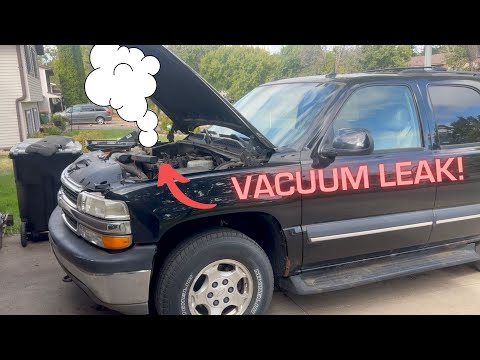
The second major type of emissions equipment is the smoke machine. This tool creates a thick, non-toxic vapor that is pumped into the engine's intake or the Evaporative Emissions (EVAP) system. If there is a crack in a hose or a leaking gasket, the smoke will drift out of the hole, making an "invisible" leak visible to the naked eye.
How Is a Vehicle Exhaust and Emissions Service Machine Used?
Using these car diagnostic tools requires a systematic approach. For a gas analyzer, the vehicle is typically warmed up to operating temperature first. The user then inserts a flexible metal probe into the tailpipe. As the car idles or runs at a specific RPM, the machine draws a sample of the exhaust through a filter and into an "optical bench" where sensors analyze the gas concentrations. The results appear on a screen, often compared against the legal limits for that specific year and model of vehicle.
When using a smoke machine, the process is different. The technician connects the machine to a vacuum port or the fuel filler neck, seals off other openings in the system, and turns on the smoke generator.
For example, if a 2012 Chevrolet Silverado has a "Small EVAP Leak" code (P0442), a technician might pump smoke into the fuel system and watch the underside of the truck. If smoke begins wafting from the top of the fuel tank, they know the fuel pump seal or a vent hose has failed. This prevents the technician from guessing and replacing expensive parts like the gas cap or charcoal canister unnecessarily.

When Would You Need This Equipment?
You would typically seek out a vehicle exhaust and emissions service machine in the following scenarios:
- Failing an Emissions Test: If your state requires a smog check and your vehicle fails, these machines are the only way to diagnose the specific chemical imbalance causing the failure.
- Mysterious Performance Issues: If a car is stumbling, stalling, or getting poor gas mileage but no parts seem obviously broken, a gas analyzer can point toward a fuel delivery problem or a clogged catalytic converter.
- Stubborn Check Engine Lights: Codes related to the EVAP system are notoriously difficult to fix because the leaks are often smaller than the head of a pin. A smoke machine is often the only way to find these leaks without replacing every hose on the car.
Types of Emissions Equipment
Not all emissions machines are created equal. The type of equipment used often depends on the age of the vehicle and the depth of the diagnosis needed.
- Two-Gas vs. Five-Gas Analyzers: Older machines only measured CO and HC. Modern five-gas analyzers are much more precise and are necessary for diagnosing modern vehicles with complex computer controls.
- EVAP-Specific Testers: Some machines are designed specifically for the fuel vapor system. They may use nitrogen instead of shop air to prevent the risk of fire when testing fuel-related components.
- Portable Gas Detectors: These are smaller, handheld car tools used to find localized exhaust leaks around the exhaust manifold or under the hood rather than analyzing the overall engine health at the tailpipe.
What Should You Look for When Choosing a Vehicle Exhaust and Emissions Service Machine?
If you are an enthusiast looking to add these to your garage tools, consider the following factors:
- Accuracy and Calibration: Gas analyzers are precision instruments. They require regular calibration with "span gas" (a gas with a known chemical makeup) to remain accurate. If you are buying a used unit, check if it can still be calibrated.
- Flow Rate and Pressure: For smoke machines, look for a unit that allows you to adjust the pressure. Applying too much pressure to a delicate EVAP system can actually blow out seals and create new problems.
- Compatibility: Ensure the machine is compatible with the types of fuel you use. Some older machines struggle with high-ethanol blends or diesel exhaust.
DIY vs. Professional Use
For most DIY mechanics, a basic smoke machine is a fantastic investment. It is relatively affordable and can save hours of frustration when chasing vacuum leaks on an older engine. It is one of those DIY automotive tools that often pays for itself after the first successful diagnosis.
However, full-scale exhaust gas analyzers are usually reserved for professional automotive equipment setups. They are expensive, require significant maintenance, and the data they provide requires a deep understanding of engine chemistry to interpret correctly. Most home mechanics find that a high-quality OBD-II scanner combined with a smoke machine is sufficient for the majority of emissions troubleshooting.
Common Mistakes When Using Emissions Machines
A common mistake is using shop air (compressed air) with a smoke machine on a fuel system. Compressed air contains oxygen, which, when mixed with fuel vapors and a potential spark, can be dangerous. Professionals use nitrogen for this reason when testing fuel tanks.
Another mistake is misinterpreting the "O2" reading on a gas analyzer. A high oxygen reading in the exhaust doesn't always mean the engine is running lean; it could mean there is a hole in the exhaust pipe further up the line that is letting outside air into the stream, which tricks the machine into giving a false reading.
Safety Considerations
Working with a vehicle exhaust and emissions service machine involves inherent risks.
- Poisonous Gases: Engine exhaust contains Carbon Monoxide, which is odorless, colorless, and deadly. Always use gas analyzers in a well-ventilated area or with an exhaust extraction system.
- Heat: When using smoke machines, be aware that the internal heating elements can get very hot.
- Moving Parts: Always ensure the vehicle is in park with the parking brake engaged. Many emissions tests require the engine to be running while you are working near the tailpipe or under the hood, placing you near rotating belts and hot manifolds.
Frequently Asked Questions
Can a gas analyzer tell me if my catalytic converter is bad? Yes. By measuring the gases before they enter the converter and after they exit, a technician can determine if the converter is actually "converting" the harmful gases into less harmful ones.
Will a smoke machine damage my car's sensors? High-quality smoke machines use a specific type of mineral oil or "smoke juice" that is designed to be safe for oxygen sensors and catalytic converters. Avoid using homemade smoke machines that use thick oils or substances that could leave a residue on sensitive components.
Why is my car failing emissions if it runs perfectly? Emissions systems are designed to catch problems before they affect "drivability." A small leak in your fuel vapor system won't make the car shake or stall, but it will release pollutants into the atmosphere and trigger a computer fault.
Conclusion
A vehicle exhaust and emissions service machine is the "microscope" of the automotive world. It allows you to see the chemical health of an engine and find tiny structural failures that the human eye would miss. Whether it is a high-tech gas analyzer or a simple smoke machine, these vehicle repair tools are what turn a "parts changer" into a true diagnostic technician. Understanding how they work helps any vehicle owner appreciate the complex balancing act occurring under their hood every time they turn the key.



No Comments Yet
Be the first to comment on this article.