Curtis.Castiglione@ROzebra.com

What Is a Fuel Pressure Tester?
When your vehicle begins to hesitate during acceleration, struggles to start in the morning, or stalls at a stoplight, the problem often traces back to how much gasoline is reaching the engine. While modern onboard computers are excellent at identifying sensor failures, they cannot always tell you the exact physical pressure of the fuel inside the lines.
This is where a fuel pressure tester becomes one of the most valuable automotive tools in a diagnostic arsenal. It is a specialized gauge designed to provide a real-time window into the health of your fuel delivery system, moving you past guesswork and into evidence-based repair.
What Is a Fuel Pressure Tester?
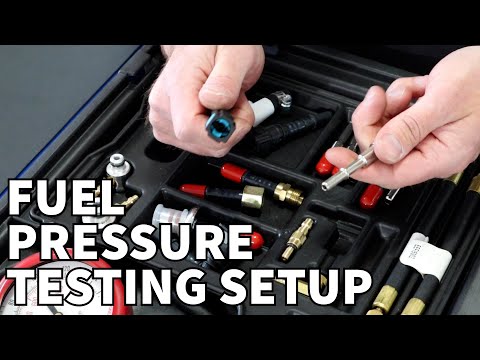
A fuel pressure tester is a diagnostic device used to measure the pounds per square inch (PSI) or bar of the fuel within a vehicle's fuel system. At its core, the tool consists of a high-pressure gauge attached to a reinforced, fuel-rated hose. This hose features various fittings designed to connect directly to the fuel rails or fuel lines of an internal combustion engine.

Think of it like a blood pressure cuff for your car. Just as a doctor needs to know if your blood is moving at the right pressure to keep your body functioning, a mechanic uses this tool to ensure the fuel pump is pushing gasoline hard enough to reach the injectors. Without the right pressure, the fuel cannot be properly 'atomized'—turned into a fine mist—which is necessary for efficient combustion and a smooth-running engine.
What Does a Fuel Pressure Tester Do?
The primary job of this tool is to confirm whether the fuel pump and the fuel pressure regulator are operating within the manufacturer’s specified range. Most gasoline engines require a very specific amount of pressure to run correctly. If the pressure is too low, the engine will run 'lean,' meaning there is too much air and not enough fuel. If it is too high, the engine runs 'rich,' which wastes gas and can damage your catalytic converter.
A fuel pressure tester allows a user to perform several critical diagnostic checks:
- Static Pressure: Checking the pressure when the key is in the 'on' position but the engine is off. This tells you if the pump is 'priming' the system correctly.
- Running Pressure: Monitoring the pressure while the engine is idling to ensure the regulator is maintaining the correct levels.
- Load Testing: Observing if the pressure drops significantly when the engine is revved. A pump might provide enough fuel for an idle but fail when the car needs to accelerate.
- Leak-Down Testing: Seeing if the system holds pressure after the engine is turned off. If the pressure drops instantly, it might indicate a leaking fuel injector or a bad check valve in the fuel pump.
How Is a Fuel Pressure Tester Used?
Using a fuel pressure tester involves connecting the gauge to a specific point in the fuel system. On many older vehicles and some modern trucks, there is a dedicated 'test port' on the fuel rail (the pipe that holds the injectors). This port often looks exactly like the air valve (Schrader valve) on a bicycle tire. You simply screw the tester's hose onto this port.
In vehicles without a test port, the process is slightly more involved. You may need to use an adapter included in the kit to 'T' into the fuel line. This usually involves temporarily disconnecting a fuel line and placing the tester in between the two ends so the fuel flows through the adapter.
Once connected, you turn the ignition key to the 'on' position to activate the fuel pump. You then read the gauge and compare that number to the specifications found in a repair manual for that specific vehicle. After the test is complete, most quality car diagnostic tools of this type have a pressure release button and a small clear drain tube. This allows you to safely bleed off the pressurized gasoline into a container before disconnecting the tool, preventing fuel from spraying onto a hot engine.
When Would You Need a Fuel Pressure Tester?
You would typically reach for this tool when you encounter 'driveability' issues that do not have an obvious cause. For example, if you own a high-mileage truck that starts fine when cold but begins to sputter and lose power after driving for twenty minutes, you might suspect a failing fuel pump that is overheating. By attaching the tester and observing the gauge while the symptoms occur, you can see if the PSI drops, confirming your theory.
Another common scenario involves a 'crank but no-start' condition. If your car turns over but won't fire up, you need to determine if the problem is spark, air, or fuel. Instead of just listening for the faint 'hum' of a fuel pump—which can be misleading—the tester provides concrete evidence. If the gauge stays at zero when you turn the key, you have confirmed a fuel delivery failure, which could be a dead pump, a blown fuse, or a clogged filter.
Types of Fuel Pressure Testers
Not all fuel systems are created equal, which means there are different types of car tools for the job:
- Standard EFI Kits: These are the most common mechanic tools found in home garages. They are designed for Electronic Fuel Injection systems that typically operate between 30 and 80 PSI. They usually come with a variety of adapters for different car brands.
- GDI (Gasoline Direct Injection) Testers: Modern cars with direct injection operate at much higher pressures—sometimes reaching several thousand PSI. A standard rubber-hose tester will burst under these conditions. GDI systems often require professional automotive equipment rated for extreme pressure, or the use of electronic scan tools that read the car's built-in pressure sensors.
What Should You Look for When Choosing One?
If you are looking to add this to your collection of DIY automotive tools, compatibility is the most important factor.
- Adapters: Ensure the kit includes a wide range of fittings, especially if you work on various makes like Ford, GM, or imports, which often use different thread sizes.
- Gauge Quality: Look for a gauge with a large, easy-to-read face and a protective rubber 'boot' to prevent damage if it is dropped on a concrete garage floor.
- Hose Length: The hose should be long enough to allow you to tuck the gauge under a windshield wiper. This lets you see the gauge from the driver's seat while you are cranking the engine or testing it under load.
- Pressure Release Valve: This is a critical feature for both safety and cleanliness, allowing you to depressurize the line into a container rather than letting fuel spray out.
DIY vs. Professional Use
A fuel pressure tester is one of those garage tools that bridges the gap between a hobbyist and a professional. For a DIYer, it is an affordable investment that can save hundreds of dollars in 'parts cannon' repairs—the expensive habit of replacing parts one by one hoping to fix a problem. Instead of spending $300 on a new fuel pump you might not need, a tester can tell you the pump is actually fine and the problem is just a $15 relay.
For professionals, these tools are often part of a larger kit of vehicle repair tools built with higher-grade materials for daily use. However, the basic mechanical function remains the same for both groups: providing an accurate measurement of fuel system health.
Common Mistakes When Using a Fuel Pressure Tester
The most frequent mistake is failing to relieve the fuel system pressure before connecting or disconnecting the tool. Fuel systems can remain under pressure even when the engine has been off for hours. Opening a line without bleeding it first can result in gasoline spraying onto your clothes or into your eyes.
Another mistake is misinterpreting the readings. People often assume a low reading always means a bad pump. However, a severely clogged fuel filter or a restricted fuel line can also cause low pressure. It is important to remember that the gauge tells you the result, but you still have to trace the cause.
Safety Considerations
Because you are working with pressurized, highly flammable liquid, safety is paramount when using automotive equipment:
- Eye Protection: Always wear safety glasses. A small spray of gasoline under 50 PSI can cause serious eye injury.
- Fire Safety: Keep a fire extinguisher rated for chemical fires nearby. Never perform a fuel pressure test near open flames, pilot lights (like in a water heater), or while smoking.
- Engine Heat: Avoid performing tests on a blistering hot engine if possible. If a leak occurs during the test, hot exhaust manifolds can ignite the fuel.
- Tight Connections: If you are using a 'T' adapter, ensure all hose clamps or fittings are tight before turning the key.
Frequently Asked Questions
1. Can I use a tire pressure gauge to check fuel pressure?
No. Tire gauges are not designed to handle gasoline. The chemicals in fuel will destroy the internal rubber seals of a tire gauge almost instantly, and the reading will be inaccurate and dangerous.
2. Where do I find the correct pressure specs for my car?
These specifications are unique to every engine. You can find them in a vehicle-specific repair manual (like Haynes or Chilton), on automotive database websites, or sometimes on a technical sticker located under the hood.
3. Does a zero reading always mean the fuel pump is dead?
Not necessarily. A zero reading means fuel isn't reaching the gauge, but the cause could be a blown fuel pump fuse, a failed relay, an empty gas tank, or a triggered 'inertia switch'—a safety device that cuts fuel flow after a physical jolt or accident.
Conclusion
A fuel pressure tester is a straightforward but powerful diagnostic tool that takes the guesswork out of engine performance issues. By providing an accurate measurement of how much pressure is in the system, it helps vehicle owners and mechanics quickly identify problems with pumps, filters, and regulators. Whether you are a beginner looking to save money on repairs or a seasoned enthusiast maintaining a classic, having a reliable way to monitor fuel delivery is a vital part of keeping any vehicle on the road.



No Comments Yet
Be the first to comment on this article.