Curtis.Castiglione@ROzebra.com

Understanding Engine Whining Noises
Written by Curtis Castiglione
Few things are as distracting as a new sound coming from under the hood. When you find yourself asking, "Why does my engine make a whining noise?" the answer usually lies in a component that rotates. Because many parts of your engine spin at high speeds, a worn bearing or a strained pump can create a high-pitched sound that mimics a jet engine or a mechanical siren.
Understanding when the noise happens and how it reacts to your driving can help you provide a technician with the clues needed for an accurate repair.
What the Whining Noise Sounds and Feels Like
A whining noise is typically high-pitched and consistent. Unlike a rattle or a knock, which may be rhythmic and clunky, a whine usually changes in pitch as the engine speed (RPM) increases or decreases.
You might notice the sound getting louder as you accelerate or becoming a low hum when the vehicle is idling at a stoplight. In some cases, the sound may be accompanied by a vibration in the steering wheel or a slight resistance when turning. To determine the cause, pay attention to whether the sound changes when the car is moving versus when it is parked.
Common Causes of Engine Whining
When a driver asks, "Why does my engine make a whining noise?" the culprit is often an accessory driven by the engine's belt system.
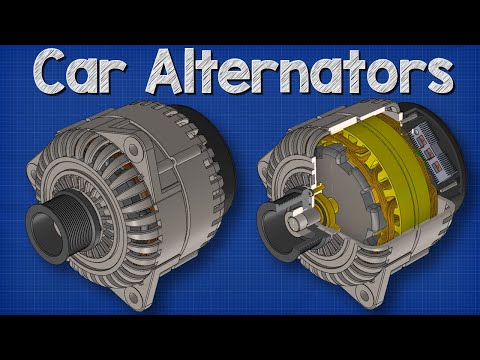
The Alternator
This component provides electricity to your vehicle and charges the battery. If the internal bearings are worn or the electrical components (diodes) are failing, it may produce a loud whine. A key indicator of alternator trouble is if the sound changes when you turn on the headlights, climate control, or other heavy electrical loads.
Power Steering Pump
This pump uses hydraulic fluid to help you turn the wheels. If the fluid is low or the pump is wearing out, it will often whine, especially when you are parking or turning the steering wheel at low speeds. If you notice the pitch changes specifically when you move the steering wheel, the power steering system is the likely source.
Pulleys and Tensioners
The accessory drive belt (often called the serpentine belt) travels around several pulleys. If a bearing in the idler pulley or the belt tensioner begins to fail, it will create a metallic whine as it spins. Note that while belts are often blamed for noises because they are inexpensive, the belt itself is rarely the source of a whine—it is usually the rotating part the belt sits on.
Less Common Causes
While less frequent, the source of the noise may not be the engine accessories at all.
- Transmission Issues: A drivetrain or transmission-related noise can sometimes be mistaken for an engine noise because the driver is sitting inside the cabin. If the whine occurs only when the vehicle is moving or changes specifically when the gear shifts, the transmission pump or torque converter might be the issue.
- Turbochargers: If your vehicle is equipped with a turbocharger, a high-pitched whistle or whine during acceleration could indicate a leak in the intake system or an issue with the turbo's internal spinning components.
When the Problem is Serious
While a small whine might seem like a minor annoyance, certain situations require immediate professional attention to ensure safety. You should seek service immediately or stop driving if:
- The Battery Light is On: If the whine is accompanied by a battery warning light, your alternator may be about to fail, which could cause the engine to stall or fail to restart.
- Steering Becomes Difficult: If the whine is joined by a sudden increase in steering effort, your power steering system may have a major leak or pump failure, which can make the vehicle difficult to maneuver safely.
- The Engine is Overheating: If you see the temperature gauge rising or steam coming from the engine, a failing water pump may be the cause of the whine. Do not continue to drive an overheating vehicle, as this can cause catastrophic engine damage.
How a Technician Diagnoses the Noise
Because multiple problems can produce similar symptoms, a proper diagnosis may require inspection and testing. A professional technician will typically start by confirming your description of the noise and checking for any accompanying warning lights.

They may use a tool called a mechanic's stethoscope to touch different components while the engine is running to isolate exactly which part is screaming. In many cases, a technician will temporarily remove the drive belt and run the engine for a very short period. If the noise disappears, they know the problem is in one of the accessories like the alternator or a pulley, rather than deep inside the engine block itself.
Information to Record Before Seeking Service
To help your mechanic find the problem quickly, take note of the following:
- Does the noise happen when the engine is cold, or only after it has warmed up?
- Does the pitch of the whine change when you turn the steering wheel?
- Does the sound get louder when you turn on the air conditioning or headlights?
- Are there any fluid leaks on your driveway or a change in vehicle performance?
Questions to Ask a Repair Shop
- Is the noise coming from a replaceable pulley bearing or the entire accessory?
- Are there signs of fluid contamination or leaks related to the noise?
- Is it safe to drive the vehicle until the part is replaced?
- What is the warranty on the replacement part and the labor?
Determining why does my engine make a whining noise is the first step toward maintaining a reliable vehicle. Because many different rotating parts can sound similar, a professional inspection is the best way to ensure you are replacing the correct part and keeping your car safe on the road.



No Comments Yet
Be the first to comment on this article.