Curtis.Castiglione@ROzebra.com

The Ultimate Night-Before Race Checklist
In the world of grassroots racing, the fastest drivers are not always the ones with the most horsepower; they are the ones who are the most prepared. If you arrive at the track on race morning frantically searching for a 10mm socket or realizing your brake pads are down to the backing plates, your head is not in the game. Your lap times and safety will reflect that lack of focus.
The goal of pre-race preparation is simple: Make race morning boring. You want to arrive at the paddock with nothing to do but bleed your tires, sign in at registration, and focus on your racing line.
Here is the essential night-before checklist to ensure your race weekend is spent on the track, not under the car.
1. The Mechanical Nut-and-Bolt Check
Even if the car has been sitting ready all week, things settle or can be overlooked. Perform a final walkthrough with a flashlight the night before you head out.
- Fluid Levels: Check your engine oil, coolant, and brake fluid. If you have recently bled the brakes, double-check that the bleeder valves are dry and the reservoir cap is tight.
- The Leak Test: Look underneath the car. A small drip of oil or coolant in your driveway is a manageable fix; on a hot track at high speeds, it is a hazard to you and everyone behind you.
- Brake Pad Inspection: Do not guess. Physically look at the thickness of your pads. A general rule of thumb for track use is that if the friction material is thinner than the metal backing plate (roughly 4mm), it is time to swap them or bring a spare set.
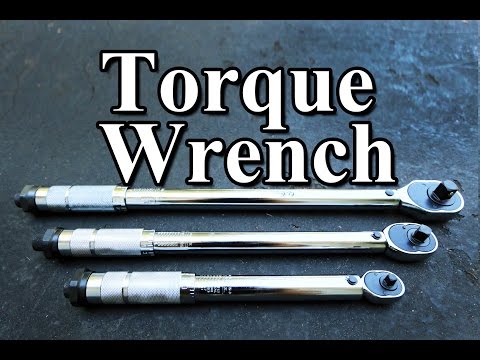
- Wheel Torque: This is a critical safety step. Use a calibrated torque wrench to verify every lug nut is set to your factory or wheel manufacturer specifications. If you are swapping from street tires to your track set, do it the night before to save time and energy.
2. Organize Your Support Gear
Searching for tools in the paddock is a waste of mental energy. Group your equipment so it is ready to load or already in the tow vehicle.
- The Essentials: At a minimum, you need a reliable tire-pressure gauge, a portable air compressor, a torque wrench, and a basic toolset.
- The Save-the-Day Kit: Pack zip ties, duct tape, glass cleaner, a roll of paper towels, and extra quarts of oil and brake fluid. These are the items that keep a small mechanical issue from ending your weekend.
- Trailer and Tow Prep: If you are trailering the car, check the trailer tire pressures (including the spare) and ensure the lights are functioning. Verify that your tie-down straps are ratcheted tight and are not showing signs of fraying.

3. Safety Equipment and Electronics
Your safety gear is the most important luggage you will carry. Lay it all out in one place to ensure nothing is left behind.
- The Driver Kit: Helmet, Head-and-Neck Restraint (HANS), suit, gloves, and shoes. Check for any tears or damage.
- Tech Inspection Readiness: Ensure your fire extinguisher (if required) is charged and within its service date. Check the expiration dates on your harness.
- Data and Video: If you use an action camera or a data logger, make sure the batteries are fully charged and the memory cards are formatted and empty. There is nothing more frustrating than setting a personal best lap only to realize the camera died on the warm-up lap.

4. Master the Logistics
The track schedule is your guide for the weekend. Missing a driver meeting is the fastest way to get disqualified or barred from your first session.
- Know the Timeline: Print out or screenshot the schedule. Know exactly when registration opens, when technical inspection begins, and when your specific class hits the grid.
- Fuel Planning: Do not assume the track will have the fuel you need. Track gas is often significantly more expensive, and high-octane or E85 pumps can run dry during big events. Fill your jugs at a local station the night before.
- Weather Prep: Check the forecast. If there is even a small chance of rain, ensure your rain tires are ready and you have a tarp to cover your gear in the paddock. Pack extra socks; wet feet are a major distraction when you are trying to modulate a brake pedal.
5. Personal Preparation: Avoid the Heroic Thrash
Amateur racers often fall into the trap of the late-night thrash, staying up until the early morning hours to finish a suspension mod or a last-minute repair.
The advice is simple: Do not do it.
- Prioritize Sleep: Fatigue kills concentration and slows reaction times. If a modification is not finished by 10:00 PM, consider if the car is safe to run in its previous configuration. It is better to race a slightly slower, well-sorted car than a fast car driven by an exhausted, error-prone driver.
- Hydrate Early: Race cars are hot, and driving is physically demanding. Start drinking water the night before. Avoid heavy, greasy meals that might make you feel sluggish in the morning.
- Tire Pressures: Use your gauge to set a consistent cold baseline. Having this done before you leave the garage means one less thing to worry about when the sun comes up.

The Takeaway
The night before a race is about eliminating variables. Every task you complete in your garage is one less problem you have to solve in a crowded, noisy paddock.
When you follow a consistent checklist, you arrive at the track with a clear mind. While other drivers are scrambling to find a floor jack or a spare quart of oil, you will be sitting in your folding chair, sipping coffee, and visualizing Turn 1. That mental edge is where race wins and personal bests are found.



No Comments Yet
Be the first to comment on this article.