Curtis.Castiglione@ROzebra.com

The Anatomy of OEM Certification Programs
In the contemporary collision landscape, the "accredited repair facility" sign hanging in a shop window has lost its luster. As vehicle architecture transitions from simple mild steel frames to complex multi-material spaceframes and sensor-laden "computers on wheels," a generic certification is no longer a valid proxy for repair quality.
Today, Original Equipment Manufacturer (OEM) certification programs represent a rigorous, audited compliance ecosystem. For the modern shop owner, these programs are a technical barrier to entry; for the insurer, they are a framework for liability mitigation; and for the consumer, they are the only verifiable assurance that a vehicle has been restored to its pre-accident factory safety tolerances.
1. The Four Pillars of Brand-Specific Certification
While programs like the Ford Certified Collision Network, GM’s Certification, and luxury programs from Mercedes-Benz or Tesla vary in their specific mandates, they all rest upon four non-negotiable pillars of operational capability.
A. Training Compliance: Beyond the Baseline
Generic certifications often stop at I-CAR Gold Class. For an OEM-certified facility, Gold Class is merely the entry point. Manufacturers demand:
- Brand-Exclusive Credentials: Specialized training modules that address specific joining techniques (e.g., flow-drill screws or structural bonding).
- ProLevel 3 Proficiency: Mandatory status for structural technicians, ensuring they understand the heat-sensitivity of Ultra-High-Strength Steel (UHSS).
- Continuous Verification: Technicians must undergo ongoing digital testing and hands-on updates at regional OEM training centers to maintain the shop's active status.
B. Facility and Structural Capabilities: The Science of Isolation
OEMs now dictate the physical layout of the shop to prevent metallurgical failure. To prevent galvanic corrosion, shops must maintain isolated bays for aluminum repair. Even microscopic amounts of carbon steel dust from a nearby grinding operation can contaminate an aluminum weld, leading to catastrophic structural failure later in the vehicle's life. This requires specialized dust-containment systems and dedicated curtains to ensure the integrity of the repair environment.
C. Tooling and Equipment Audits
A hallmark of OEM programs is the "No Substitutions" rule. Auditors verify that shops own brand-approved equipment, including:
- Specific Fixture Benches: Brands like Celette or Car-O-Liner that allow for "jigging" a vehicle to factory-precise coordinates.
- 3D Measuring Systems: Electronic systems capable of measuring to the millimeter to ensure ADAS sensors will function correctly post-repair.
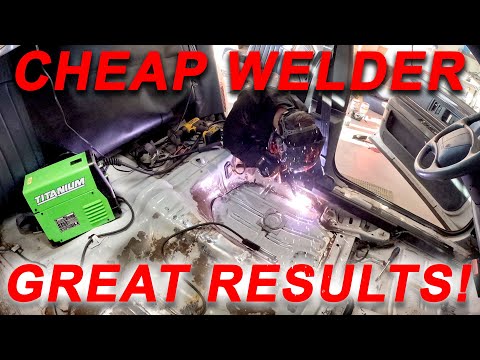
- Mandated Welders: High-frequency pulse-arc welders and specific rivet guns (often costing $15,000–$30,000 each) that match the factory’s assembly line equipment.
D. Diagnostic and Calibration Infrastructure
With the rise of Advanced Driver Assistance Systems (ADAS), a shop's digital footprint is as important as its frame rack. Certification requires access to factory scan tools like Ford VCM, GM MDI2, or Tesla Toolbox. Unlike generic aftermarket scanners, these allow for full module programming and complex calibrations that are often invisible to lower-tier tools.

2. The Financial Reality: CAPEX and Operational Overhead
Achieving certification is not a one-time marketing expense; it is a massive capital expenditure (CAPEX) that requires a multi-year ROI projection.
- The Cost of Precision: Between specialized rivet guns, spot welders, and dedicated hand tools (which cannot be shared between steel and aluminum), a shop may spend upwards of $250,000 just to qualify for a single luxury brand certification.
- The Compliance Tax: Ongoing audit fees and annual dues paid to third-party administrators—such as Assured Performance or Opus IVS—ensure the shop stays compliant. These auditors perform unannounced inspections, checking everything from the expiration dates on structural adhesives to the software version on the 3D measuring system.
- Duplication of Inventory: Shops must invest in dedicated brooms, lifts, and hand tools reserved strictly for specific metals to avoid cross-contamination, effectively doubling the tool overhead for the same floor space.

3. Practical Friction Points: The "Compliance Paradox"
The greatest operational challenge for certified shops is the friction between OEM mandates and insurance Direct Repair Program (DRP) expectations.
The Cost-Recovery Battle
Insurance carriers frequently attempt to cap labor rates based on "market averages" derived from non-certified shops. However, a certified shop’s overhead is significantly higher. To bridge this gap, shops must be prepared to use OEM Position Statements to justify the necessity of specialized rates and operations. If a manufacturer states a specific calibration is mandatory, the shop must perform it—regardless of whether the insurer initially agrees to pay for it.
Procedural Integrity vs. DRP Severity
Insurance DRPs often prioritize "severity" (total cost of claim) and "cycle time." This creates a conflict when OEM protocols mandate:
- Mandatory Replacements: Many OEMs forbid the straightening of structural components, requiring full replacement of one-time-use parts.
- No Salvage Parts: For certified shops, using Like-Kind-Quality (LKQ) or salvaged structural components is often a violation of the certification agreement and a significant liability risk.
Maintaining certification means the shop is legally and ethically bound to prioritize the OEM Method of Repair over the insurer's "Cost of Repair."
Key Takeaways
- Rigorous Frameworks: OEM certifications are audited compliance ecosystems governing training, layout, and equipment brands. They are designed to mirror factory assembly standards.
- Continuous Investment: Capital investment is not a one-off; recurring spending on tool calibration, software licensing, and audit fees is required to remain on the manufacturer’s locator.
- Metallurgical Necessity: Requirements like aluminum isolation are driven by the science of galvanic corrosion, not administrative preference.
- Safety Over "Database Defaults": Certification mandates that the shop follows factory repair protocols and position statements, even when they conflict with insurance estimate defaults or cost-cutting measures.
Written by Curtis Castiglione



No Comments Yet
Be the first to comment on this article.