Curtis.Castiglione@ROzebra.com

Steering Wheel Shaking: Causes, Costs, and Safety Guide
You are cruising down the highway, enjoying the drive, when you suddenly notice a slight shimmy in your hands. At first, you might think it is just a rough patch of pavement, but as you speed up to sixty miles per hour, that shimmy turns into a rhythmic vibration that makes the steering wheel dance. Or perhaps everything feels fine until you step on the brake pedal, and suddenly the front end of the car feels like it is trying to shake itself apart.
As a technician, I hear these descriptions every day. From a driver’s perspective, a shaking steering wheel is unnerving and distracting. From a mechanical perspective, it is a diagnostic roadmap. The specific way your car vibrates tells us exactly which system—tires, brakes, suspension, or steering—is crying out for help. Let’s break down what is actually happening under the hood and behind the wheels.
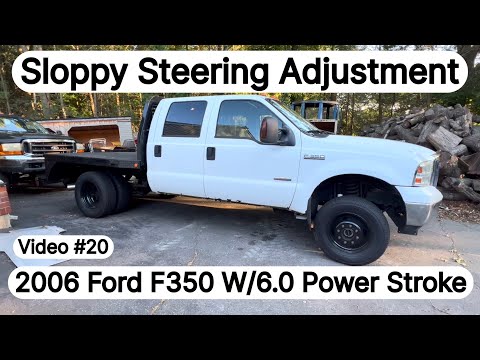
The Most Common Culprit: Unbalanced Tires
The most frequent issue I see in the shop is a tire balance problem. Think of your tire and wheel assembly as a spinning top. If one side is even a fraction of an ounce heavier than the other, it creates centrifugal force that pulls the wheel outward as it spins.
At low speeds, you likely won't feel it. However, once you hit that 55 to 75 mph sweet spot, that heavy spot starts slapping the road. That energy travels right up the steering column and into your palms. We fix this by placing the wheel on a specialized balancer and adding small lead or zinc weights to counteract those heavy spots.
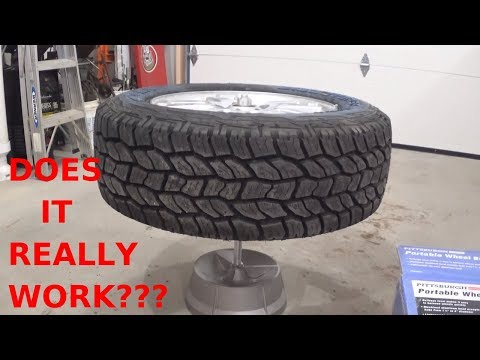
Vibration During Braking: Warped Rotors
If the shaking only occurs when you apply the brakes, the technical cause is usually lateral runout in your brake rotors. In plain English: your rotors are warped.
When you press the brake pedal, the calipers squeeze the pads against the rotors to create friction. If those rotors are not perfectly flat, the pads will skip across the high spots, pushing the piston back into the caliper. This hydraulic pulsation travels back through the lines, causing the steering wheel to oscillate back and forth. This is often caused by excessive heat or improper lug nut torque, which can distort the metal over time.
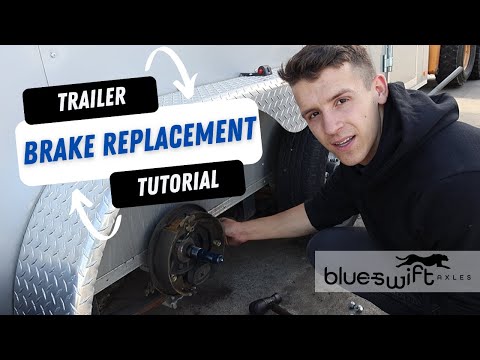
The Loose Tooth Feel: Worn Suspension
If the vibration is accompanied by a clunking sound or a feeling that the car is wandering across the lane, we are likely looking at worn suspension components. Parts like tie rod ends and ball joints are the pivot points of your steering system.
When they wear out, they develop play, much like a loose tooth. This allows the wheel to move independently of your steering input. This is a critical safety issue because if a tie rod end fails completely, you lose the ability to steer that wheel entirely.
Other Technical Causes to Watch For
- Failing Wheel Bearings: These allow your wheel to rotate smoothly with minimal friction. When internal bearings begin to pit or lose lubrication, they create a vibration often accompanied by a low-pitched growl or humming noise that changes with your speed.
- Tire Damage: A broken internal belt or a flat spot from a locked-up skid can create a constant, rhythmic wobble even at lower speeds.
- Sticking Calipers: If a brake caliper fails to release properly, it creates extreme heat and vibration. You might even notice a smell similar to burning toast coming from the wheel well.
Is It Safe to Drive?
That depends on the severity of the shake. Generally, if the vibration is mild and only happens at specific highway speeds, you likely have enough time to schedule an appointment. However, you should park the vehicle immediately if:
- The steering wheel shakes violently.
- You hear loud grinding or clunking noises.
- The car darts toward the shoulder or is difficult to keep in the lane.
- You see visible bulges or damage to the tire sidewall.
How Much Does It Cost to Fix?
Repair costs vary depending on the root cause and your vehicle type. Here is a general breakdown of what to expect:
- Tire Balancing: $20 – $80
- Wheel Alignment: $100 – $250
- Brake Rotor Replacement: $350 – $900
- Wheel Bearing Assembly: $300 – $800
- Tie Rod or Ball Joint: $200 – $700
- Control Arm Replacement: $400 – $1,200
Pro Tip: Talking to Your Mechanic
When you bring your car in, don’t just say it shakes. Being specific helps us find the problem faster and can save you money on diagnostic time. Tell your technician:
- When it happens: Is it while braking, accelerating, or only over 60 mph?
- Where you feel it: Is it just in the steering wheel, or do you feel it in your seat? (Pro tip: if it's in the seat, the problem is usually in the rear of the car).
- What it sounds like: Is there a hum, a clunk over bumps, or a rhythmic thumping?
A steering wheel shaking is your vehicle’s way of telling you something is not right. Addressing a small shimmy today is always cheaper—and significantly safer—than fixing a total suspension failure tomorrow.



No Comments Yet
Be the first to comment on this article.