Curtis.Castiglione@ROzebra.com
Rivian R1T Underbody Insurance Claims
By: Curtis Castiglione
An impact to the underside of a 2022 Rivian R1T can create an insurance claim that extends well beyond visible scratches or a damaged skid panel. Because the R1T is an electric vehicle (EV) with a massive battery pack integrated into the chassis, road debris, curb impacts, or bottoming out can lead to repair costs that far exceed what a typical visual inspection might suggest.
If you have experienced an underbody impact, understanding the relationship between the physical damage and the insurance claim process is essential to ensuring your vehicle remains safe and functional.
Does insurance cover damage to the underside of my Rivian R1T?
In most cases, collision coverage or comprehensive coverage will apply to underbody damage. Collision coverage typically handles impacts with objects like a curb or a large rock, while comprehensive might apply if the damage was caused by flying road debris.
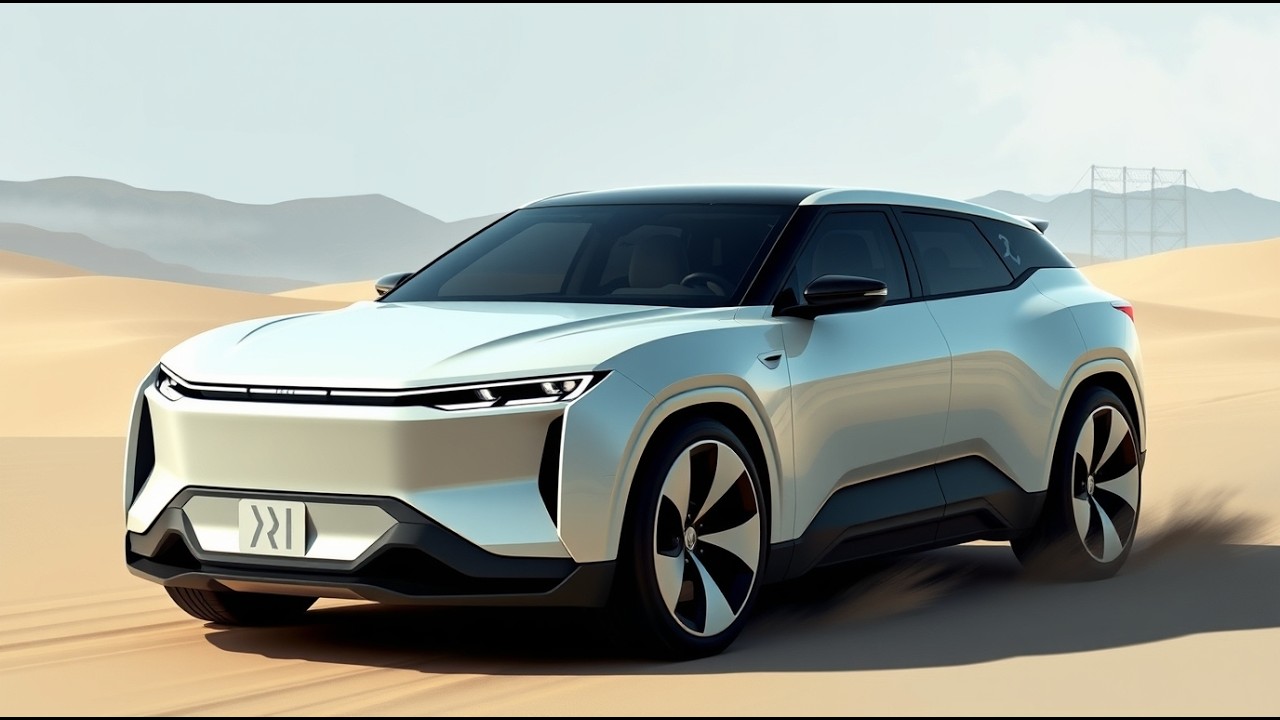
However, the complexity of a 2022 Rivian R1T means that a claim for a "scratched panel" can quickly evolve into a major structural repair. Because the battery sits low in the frame, insurance carriers must evaluate not just the cosmetic damage, but the integrity of the high-voltage system.
Why an initial insurance estimate is often incomplete
When an insurance adjuster inspects a Rivian R1T after an underbody impact, they often write a preliminary estimate based only on what is visible while the vehicle is sitting on the ground. They may see a plastic shield hanging or a dented metal skid plate and write an estimate for a few hundred dollars.
In the world of modern EVs, this is rarely the final cost. The R1T uses a reinforced underbody shield—often called a "ballistic shield" on vehicles equipped with the Max Pack or off-road upgrades—to protect the battery enclosure. Any impact strong enough to deform these protective plates can transfer energy to:
- The battery housing itself.
- The internal cooling lines that regulate battery temperature.
- The mounting points that secure the battery to the vehicle frame.
What happens during a specialized underbody inspection?
Once the vehicle is at a qualified repair facility, the inspection goes beyond a visual check. A professional repairer will lift the vehicle and often remove the protective panels to look for:
- Deformation of the battery enclosure: Rivian has specific, narrow tolerances for how much a battery case can be dented. If the case is compromised, the entire unit may be deemed unsafe or non-repairable.
- Fluid leaks: The battery is surrounded by a cooling system. A small impact can pinch a coolant line or cause a slow leak that might not trigger a dashboard warning immediately.
- Mounting point integrity: The points where the battery and subframes attach to the vehicle structure must be checked for cracks or shifting.
- Electrical diagnostics: Technicians must perform a "pre-scan" to look for "high-voltage isolation" faults. Even if the car drives, the computer system may have logged an internal event related to the impact.

Why did my repair cost increase after the teardown?
This is known as the supplement process. A supplement is an additional claim submitted by the repair shop to the insurance company after hidden damage is discovered.
For a 2022 Rivian, a supplement is almost guaranteed if there was a significant underbody impact. If the shop finds that the battery enclosure is damaged, the repair cost can jump from a few hundred dollars for a plastic shield to tens of thousands of dollars for a battery replacement. Insurance companies generally pay for these supplements as long as the shop provides photographic and diagnostic proof that the damage was caused by the claimed accident and is not a pre-existing condition.
The role of Manufacturer Repair Procedures (OEM)
Rivian provides specific "OEM Repair Procedures"—the manufacturer’s "recipe" for how to safely fix the vehicle. These procedures are the most important tool in an insurance claim.
- Safety Standards: If Rivian’s procedures state that a battery with a specific type of dent must be replaced, the insurance company needs to see that documentation.
- Parts Selection: Using aftermarket or recycled parts for an R1T battery system is generally not an option due to the proprietary technology and safety risks involved.
- Specialized Labor: Handling high-voltage components requires qualified personnel and specialized equipment. These costs should be documented in the estimate rather than assumed.
What should I do if my insurance company disputes the damage?
It is common for insurers to question why a seemingly small impact requires an expensive battery inspection or replacement. If you face a dispute:
- Request the Evidence: Ask your shop for the diagnostic scan report and the high-resolution photographs taken while the vehicle was on the lift.
- Refer to the Manual: Ask the shop to provide the specific page from the Rivian repair manual that justifies the necessary labor operations.
- Review Your Policy: Check your policy regarding Original Equipment Manufacturer (OEM) parts. While some policies allow for cheaper parts on cosmetic items, critical high-voltage components usually require OEM parts for safety and warranty reasons.
Customer responsibility and out-of-pocket costs
While insurance typically covers collision damage, they will not pay for "betterment" or pre-existing conditions. For example, if your R1T had a badly scraped frame from off-roading months before the accident, the insurance company may only pay for the new, specific damage.
Additionally, you are responsible for your deductible. This is the out-of-pocket amount you agreed to pay when you purchased your policy.
Final steps for the vehicle owner
Before you authorize the final repairs, ask the shop for a post-scan report. This proves that the vehicle's electronic safety systems were checked and were functioning correctly when the work was finished.
Pro Tip: Keep all records of the repair. Underbody and battery work can affect the future resale value of the vehicle, known as diminished value. Having a fully documented, manufacturer-approved repair file is the only way to ensure your Rivian remains safe to drive and maintains its long-term value.
Disclaimer: Insurance policies and state laws vary. You should always review your specific policy and consult with your insurance company and a qualified repair professional before authorizing work.



No Comments Yet
Be the first to comment on this article.