Curtis.Castiglione@ROzebra.com
New Smyrna Speedway Grassroots Guide
New Smyrna Speedway is widely considered a crown jewel of Florida short-track racing. For the amateur or grassroots racer, moving from a flat quarter-mile bullring to this high-banked, half-mile asphalt oval is a significant step up. It is faster, more physically demanding on the driver, and requires a much more nuanced approach to car setup.
If you are planning to transition from track days to oval racing, or you are a local driver looking to conquer New Smyrna, this guide covers the practical realities of competing at one of the country's most famous grassroots venues.

Understanding the Track: Layout and Surface
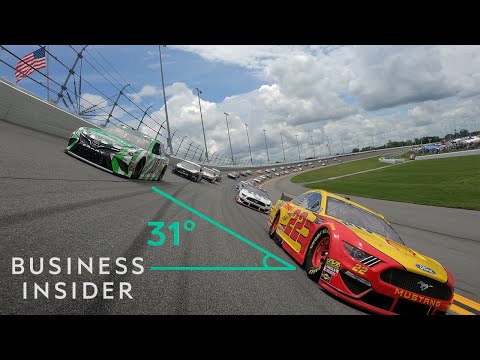
New Smyrna is not just another oval; its defining characteristic is the 23-degree banking in the corners.
Why Banking Matters
In a flat turn, your car relies primarily on side bite (lateral grip). At New Smyrna, the steep banking uses centrifugal force to push the car down into the track surface. This creates significant vertical loads on your suspension.
- The Surface: The track was repaved several years ago, providing a smooth, high-grip surface.
- The Trade-off: High grip equals high speed. High speed leads to increased tire temperatures and higher stress on your engine’s cooling system. You are not just fighting the clock; you are fighting heat.
Choosing Your Class: Where Do You Fit In?
Before buying a car or turning a wrench, you must understand the local divisions. Each has a different barrier to entry and budget requirement.
- Bomber / Pure Stock: This is the gold standard for beginners. These are production-based street cars with required safety mods like roll cages and racing seats. Engines are largely stock, keeping costs down.
- Sportsman / Super Stocks: A mid-level step. You will have more freedom to tune the suspension and use purpose-built racing components.
- Modifieds and Late Models: These are the premier, professional-grade classes. They involve high-dollar engines and complex aerodynamics. Unless you have significant experience and a large budget, these are better viewed from the grandstands initially.
Recommendation: Start in the Bomber class. It allows you to learn the racing line and paddock etiquette without the financial pressure of a five-figure engine build.

Basic Race Car Setup for High Banking
Setting up a car for a 23-degree bank is different than a standard road course or a flat oval.
1. Spring Rates
You will generally need stiffer springs on the right side of the car. Because the banking loads the car vertically, soft springs will allow the chassis to bottom out against the pavement. When the frame hits the ground, the tires lose contact, causing the car to skitter uncontrollably toward the wall.
2. Stagger
Stagger is the difference in circumference between your right-side and left-side tires. Since the right tires have to travel a longer distance around the curve, a larger right-rear tire helps the car pivot naturally.
- Practical Tip: On a half-mile like New Smyrna, you typically run less stagger than you would on a tight quarter-mile track. Too much stagger here will make the car twitchy on the high-speed straights.
3. Camber
To keep the tire contact patch flat while the car is leaning into the 23-degree turns, you need significant negative camber on the right front and positive camber on the left front.
Solving Handling Problems
Even with a good baseline, you will likely encounter handling issues during practice.
- Understeer (The Push): The car wants to head toward the wall in the middle of the turn. This is often caused by an overheated right-front tire or front springs that are too stiff. Try increasing cross-weight (putting more weight on the left rear) or slightly increasing rear stagger.
- Oversteer (The Loose Condition): The back of the car wants to slide out, especially on corner exit. Soften the rear suspension or reduce the rear stagger to keep the rear tires planted under acceleration.
Maintenance and Consumables: Heat is the Enemy
At New Smyrna, your car will be under load for longer durations than at smaller tracks.
Brakes
You are not just coasting into these turns. You use the brakes heavily to set the nose of the car upon entry. Use only high-temperature racing brake fluid (DOT 4 or higher). Street pads will crumble under this stress; invest in racing-specific pads designed for high-torque applications.
Cooling
The high banking keeps the engine under a constant load. Ensure your radiator is clean and has a proper shroud to force air through the fins. Watch your water temperatures closely during the first few laps of practice.
Tire Management
The right front tire is the hardest-working part on the car.
- Tire Pressures: Check them immediately after you pull off the track. A massive jump in pressure (e.g., more than 8–10 psi) means the tire is getting too hot, likely due to an alignment issue or over-driving (scrubbing the tires in the turns).
- Wear Patterns: Look for feathering across the tread. This indicates whether your camber settings are actually working for the banking.
Paddock Essentials: A Checklist
Don't be the racer who has to borrow a 10mm wrench every five minutes. Bring a basic kit to keep your race day moving.
- Floor jack and sturdy jack stands.
- Tire pressure gauge and air tank.
- Torque wrench for lug nuts (check them every time you go out).
- Spare fluids: Oil, coolant, and racing brake fluid.
- Duct tape, zip ties, and a cordless impact wrench.
- A notebook to record your tire pressures, air temps, and how the car felt.

Budget and Safety Gear
Grassroots racing is affordable compared to professional series, but it is not free. You should plan for:
- Pit Passes: Expect to pay for a driver’s pit pass and a vehicle entry fee for every event.
- Fuel: Most classes require track-mandated racing fuel to ensure a level playing field.
- Safety Gear: This is a non-negotiable expense. You need a modern, Snell-rated helmet, a fire suit, racing shoes, gloves, and a head-and-neck restraint (HANS device).
Track Etiquette
New Smyrna is a professional facility; treat it as such. In the paddock, move at a walking pace. There are officials, families, and other racers everywhere.
On the track, be predictable. If you are a slower car being lapped, hold your line (usually the low line) and let the faster traffic move around you. Sudden moves to get out of the way are the primary cause of accidents for beginners.
Finally, be polite to the tech inspectors. Their job is to ensure safety and fair play. Have your safety gear ready for inspection before you get in line to save everyone time.
Final Verdict: Is New Smyrna Worth It?
For any grassroots racer in the Southeast, New Smyrna is a must-visit. The high speeds and steep banking offer a thrill that flat tracks simply cannot match. While it requires more respect and better preparation than a standard local bullring, the reward is a premier racing experience.
Note: Always verify the current season schedule, registration fees, and specific technical rules on the official New Smyrna Speedway website before beginning a car build or traveling to the track.



No Comments Yet
Be the first to comment on this article.