Curtis.Castiglione@ROzebra.com
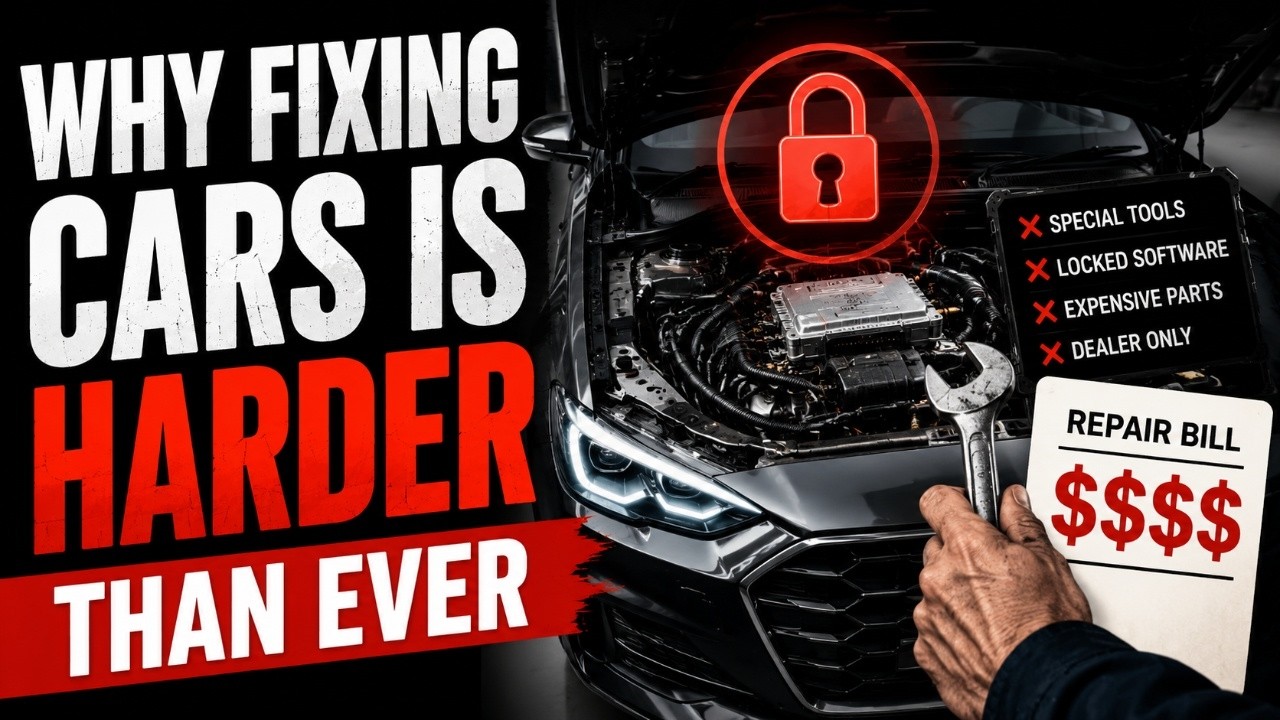
Modern Collision Claims: Restraint Systems and Electronic Steering
When you look at a 2021 Cadillac Escalade or a 2020 Lexus LS 500 after a collision, your eyes naturally gravitate toward the dented metal, the cracked plastic, or the deployed airbags. However, in the world of modern collision repair, what you cannot see is often more critical—and more expensive—than what you can.
Modern vehicles are no longer just assemblies of steel and glass; they are sophisticated networks of sensors, pyrotechnics, and electronic actuators. When an insurance claim is filed, the goal is to restore the vehicle to its pre-loss condition. Achieving that goal requires a deep dive into manufacturer-specific repair procedures that go far beyond a simple visual inspection.
2021 Cadillac Escalade: The Hidden Complexity of Frontal Airbag Claims
A frontal impact in a 2021 Cadillac Escalade might look manageable from the outside, but the restraint system—the network of safety features designed to protect you—often requires a near-total overhaul.
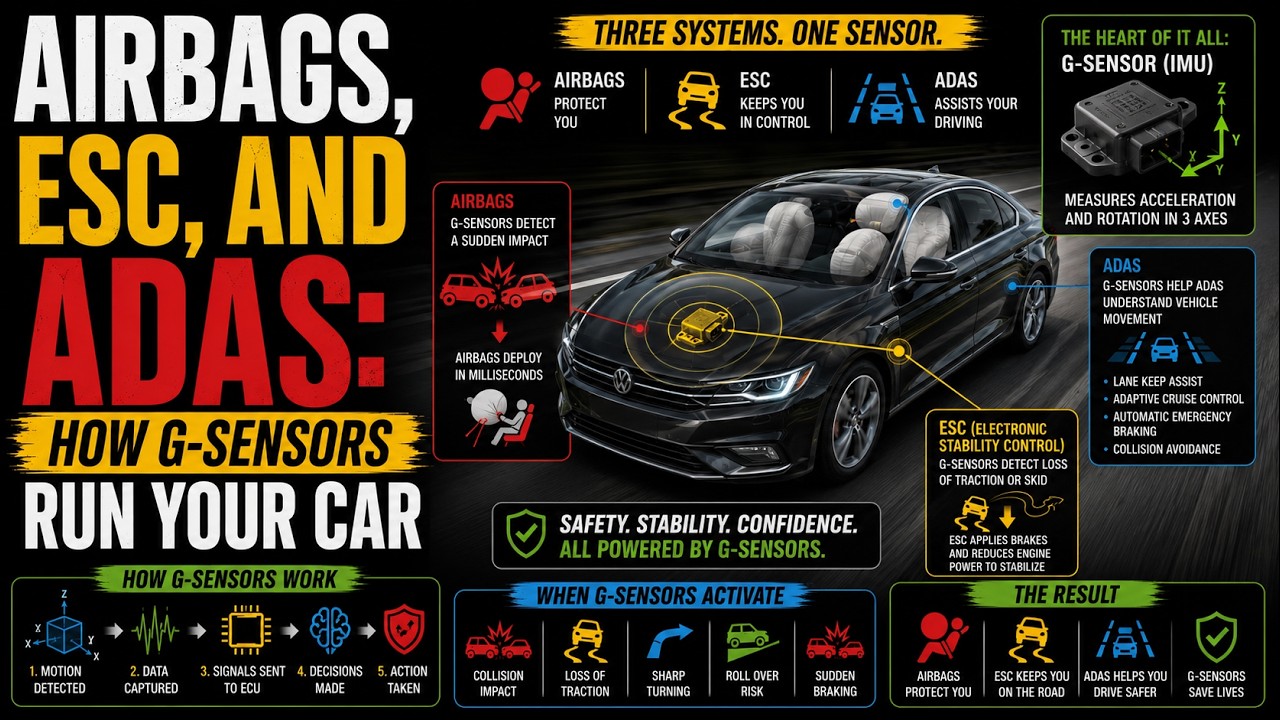
Why did my insurance estimate change after the teardown?
It is a common source of frustration: the insurance adjuster writes an initial estimate for $5,000, but two weeks later, the repair facility says the cost has doubled. In an Escalade, this is usually due to hidden deployment events.
While an adjuster sees a deployed steering wheel airbag, the vehicle’s Sensing and Diagnostic Module (SDM) may have also triggered:
- Seat Belt Pretensioners: These use a pyrotechnic charge to pull the occupant into the seat during a crash. Once they fire, they are one-time-use items and must be replaced.
- Impact Sensors: Sensors located behind the bumper cover are designed to sacrifice themselves to send data to the computer. Even if they aren't cracked, GM procedures often require replacement if they were near the point of impact.
- The Airbag Control Module: In many General Motors vehicles, once a "hard code" (a deployment event) is recorded in the SDM, the module cannot be reset. It must be replaced and programmed to your specific VIN.
Does insurance cover the entire dashboard replacement?
If the passenger-side airbag in an Escalade deploys, it doesn’t just pop out of a seam; it often rips through the material of the instrument panel. Replacing a dashboard is a high-labor operation that involves removing the steering column, infotainment screens, and wiring harnesses. If your shop provides documentation from the GM service manual showing that the dashboard structure is compromised, the insurer should cover the replacement as part of the collision loss.
2020 Lexus LS 500: When a Curb Jump Becomes a Mechanical Nightmare
The 2020 Lexus LS 500 is a masterpiece of engineering, particularly when equipped with the Lexus Dynamic Handling package, which includes Rear-Wheel Steering (RWS). This system allows the rear wheels to turn slightly to improve high-speed stability and low-speed maneuverability.

Why is a simple wheel repair so expensive on a Lexus?
If you slide on ice and hit a curb with a rear wheel, you might think you just need a new rim and an alignment. However, in an LS 500, that impact energy travels through the wheel and directly into the electronic rear steering actuator.
Damage to this system is often "silent." The car might feel okay to drive, but internal damage to the actuator or bent suspension links can lead to:
- Electronic Faults: "C" (Chassis) codes that disable stability control or lane-keeping assist.
- Calibration Failures: The inability to perform a "zero-point calibration," where the computer learns the true center of the steering rack.
- Tire Wear: Even a fraction of a degree of misalignment in the rear steering system can scrub the tread off a set of expensive tires in a few thousand miles.
Who pays for the diagnostic scans and calibrations?
Insurance policies generally cover the cost of scanning the vehicle (plugging in a computer to read fault codes) and calibration (the digital setup of sensors). These are not extra charges; they are required steps to ensure the vehicle’s safety systems work as intended.
Navigating the Supplement Process
In almost every complex repair, the shop will need to submit a supplement. This is a request to the insurance company for additional parts or labor discovered after the vehicle was disassembled (teardown).
To ensure your claim is handled correctly, your repair facility should provide:
- Diagnostic Reports: Pre-repair and post-repair scans showing the health of the vehicle’s computers.
- OEM Procedures: Documentation from Cadillac or Lexus stating exactly which parts must be replaced after a specific type of impact.
- Photos of Hidden Damage: Photos of melted connectors, deployed pretensioners, or bent suspension components that weren't visible in the driveway.
What Should You Do Before Authorizing Repairs?
If you own a high-tech vehicle like an Escalade or an LS 500, you have the right to ensure it is repaired to manufacturer standards.
- Ask for the scan results: Does the car have any "stored" or "active" codes?
- Request the alignment sheet: For a Lexus with rear steering, the "before and after" alignment printout is the only objective proof that the mechanical steering components are straight.
- Verify part types: While insurance companies may suggest "aftermarket" or "recycled" parts to save costs, certain safety components—like airbags and steering actuators—should almost always be New Original Equipment Manufacturer (OEM) parts to ensure they sync correctly with the vehicle's software.
The Bottom Line: A modern insurance claim isn't just about making the car look "normal" again. It's about restoring the digital and mechanical integrity of the systems that keep you safe. Don't settle for a repair that ignores the technology under the skin.
Written by Curtis Castiglione Automotive Repair and Collision Estimating Specialist
Disclaimer: Insurance coverage and policy provisions vary by state and provider. Always review your specific policy and consult with a qualified repair professional or insurance representative regarding your claim.



No Comments Yet
Be the first to comment on this article.