Curtis.Castiglione@ROzebra.com

Hyundai Pre-2007 Buyer's Guide
By Curtis Castiglione
In the automotive world, few stories are as dramatic as the evolution of Hyundai. When the brand first arrived in the United States in 1986, it was known strictly for its rock-bottom pricing and, unfortunately, its questionable build quality. However, for the modern used-car shopper, the period between 1986 and 2006 represents a fascinating opportunity to find incredible value—if you know what to look for.
Selecting a pre-2007 Hyundai requires a discerning eye. You are looking for the sweet spot where the company’s massive investments in engineering and its legendary 10-year warranty finally began to pay dividends. This guide will help you distinguish between the early disposable models and the later value gems that can still serve as reliable transportation today.
Key Factors to Consider Before Buying
When shopping for a vintage or early-2000s Hyundai, your checklist should focus on mechanical longevity and environmental wear rather than just a shiny exterior.
1. Timing Belt Maintenance
This is the single most important factor. Many Hyundai engines from this era, particularly the 2.0-liter and various V6 units, are interference engines. This means if the timing belt snaps, the valves and pistons will collide, effectively destroying the engine. Always demand proof that the belt was replaced every 60,000 miles.

2. Rust and Corrosion
Especially in the Salt Belt regions, early Hyundais were prone to significant rust on the underbody, suspension arms, and floor pans. A car that looks clean on the outside may have structural rot underneath. Always get a pre-purchase inspection on a lift.
3. Service Records over Mileage
A high-mileage Hyundai with a thick folder of oil changes and transmission services is often a better bet than a low-mileage survivor that has sat for years with original fluids and dry-rotted seals.
4. Electrical Integrity
Early models were known for electrical gremlins. Test every switch, the AC, the radio, and all exterior lighting to ensure the wiring harness is still healthy.
Top Product Picks for Pre-2007 Hyundais
Best Overall: 2006 Hyundai Elantra (XD Generation)
The 2006 Elantra represents the pinnacle of Hyundai’s quality improvements before the brand’s total 2007 redesign. It offers a refined interior, decent safety features for its time, and a 2.0-liter engine that is surprisingly durable when maintained.

- Pros:
- Strongest build quality of the pre-2007 era.
- Comfortable ride and generous interior space for a compact car.
- High availability of affordable replacement parts.
- Cons:
- Mandatory timing belt service is costly if neglected.
- Interior plastics can become brittle with age.
- Fuel economy is good, but not class-leading.
Best Budget Commuter: 2000-2005 Hyundai Accent
If you need the cheapest possible point A to point B transportation, the second-generation Accent is a no-frills choice. It is mechanically simple and lacks the complex electronics that often fail on more expensive cars of this age.
- Pros:
- Extremely low purchase price and insurance costs.
- Simple mechanical layout makes it easy for DIY repairs.
- Compact size is ideal for city driving and parking.
- Cons:
- Very basic interior with minimal noise insulation.
- Lacks modern safety features found in newer competitors.
- Low power makes highway merging a slow process.
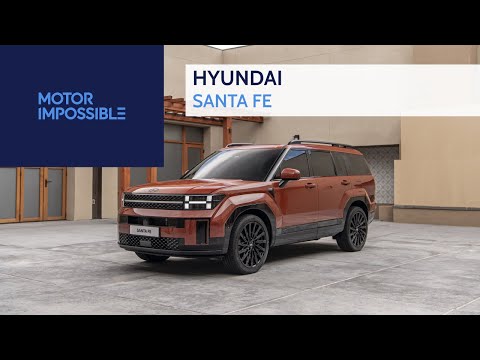
Best Family SUV: 2004-2006 Hyundai Santa Fe
The first-generation Santa Fe was Hyundai’s successful entry into the SUV market. Choosing the later years of this run (2004-2006) ensures you get a vehicle where most of the early production bugs were ironed out.
- Pros:
- Practical cargo space and comfortable seating for five.
- Available V6 engine provides much-needed power for hills and loads.
- Unique styling that has aged better than many contemporary SUVs.
- Cons:
- Heavy fuel consumption, especially with the V6 and AWD.
- Known for paint peeling and interior trim wear.
- Suspension components often require replacement after 100,000 miles.
Best Sporty Option: 2003-2006 Hyundai Tiburon
For those who want style on a budget, the second-generation Tiburon (the GK) offered a sleek coupe design that turned heads without the high price tag of a Japanese or European sports car.

- Pros:
- Sharp, attractive styling that still looks modern.
- Decent handling and a fun driving experience with the manual transmission.
- Large trunk space thanks to the hatchback design.
- Cons:
- Tight rear seating is practically unusable for adults.
- V6 models have a very cramped engine bay, making maintenance difficult.
- Many have been modified or driven hard by previous owners.
Frequently Asked Questions (FAQs)
Q: Are 1980s and early 1990s Hyundais worth buying? A: Generally, no. Unless you are a collector or a hobbyist looking for a project, these cars (like the Excel) suffered from significant reliability issues and parts are now very difficult to find.
Q: How does a 2006 Elantra compare to a 2006 Toyota Corolla? A: The Corolla will likely have better long-term reliability and higher resale value. However, the Elantra is usually significantly cheaper to buy used, offering a better feature-per-dollar ratio for buyers on a strict budget.
Q: What is the most common failure on 2000-2006 Hyundais? A: Beyond the timing belt, transmission speed sensors are a common fail point. Luckily, these are usually inexpensive and relatively easy to replace, often fixing shifting issues that might seem like a total transmission failure.
Q: Is rust a deal-breaker? A: Surface rust on body panels is a cosmetic choice. However, heavy rust on the subframe or engine cradle is a safety deal-breaker. If those components are thinning or perforated, the car is unsafe to drive.
Final Verdict: The ROzebra Recommendation
If you are looking for a reliable, low-cost used vehicle from this era, the 2005 or 2006 Hyundai Elantra is your best bet. It marks the moment when Hyundai’s quality finally caught up to its ambitions.
While you must be vigilant about timing belt history and rust, a well-cared-for late XD-generation Elantra offers a level of comfort and utility that belies its budget-brand origins. For SUV shoppers, the 2005-2006 Santa Fe remains a solid, if thirsty, family hauler. Avoid the pre-2000 models unless they come with an impeccable service history, and always prioritize mechanical health over a shiny exterior. By following these steps, you can secure a dependable vehicle at a fraction of the cost of its Japanese rivals.



No Comments Yet
Be the first to comment on this article.