Curtis.Castiglione@ROzebra.com

How to Make a Race Car Faster Without Adding Horsepower
In the paddock of any grassroots race weekend, you will hear a common refrain: 'I just need another 50 horsepower to keep up on the straights.' It is a tempting thought. Bolting on a turbo or upgrading injectors feels like a shortcut to the podium.
However, for the amateur and grassroots racer, horsepower is often the least efficient way to lower lap times. A high-horsepower car that handles poorly is difficult to drive, hard on tires, and prone to mechanical failure. Conversely, a well-set-up 200-horsepower car driven by a skilled driver will consistently outpace a 400-horsepower 'dyno queen' that cannot put its power down.
If you want to get faster without spending thousands on engine builds, you need to focus on the Hierarchy of Speed: Driver Skill, Tires, Brakes, Alignment, Weight, and Suspension.
1. Maximize Your Contact Patch (Tires)
Tires are the most important component on your car. Every input—steering, braking, and accelerating—is translated to the pavement through four small patches of rubber.

- Compound over Size: A common mistake is trying to fit the widest tire possible under the fenders. While width helps, the compound is more important. For most grassroots classes, a 200-treadwear 'Extreme Performance' tire is the gold standard. These offer massive grip compared to standard street tires but are more predictable and longer-lasting than full racing slicks.
- Pressure Management: This is the cheapest modification available. Tires gain pressure as they heat up. If you start at 30 PSI cold, you might finish a session at 38 PSI, causing the tire to 'balloon' and lose grip.
- Practical Tip: Invest in a high-quality analog or digital gauge. Aim for the manufacturer's recommended hot pressure. This usually means bleeding air out of the tires immediately after you come off the track.
2. Improve Braking Consistency
You do not need a 'Big Brake Kit' to go faster; you need brakes that work the same way on Lap 10 as they did on Lap 1. Increasing horsepower makes you faster on the straights, but better brakes allow you to stay on the gas longer before entering a turn.
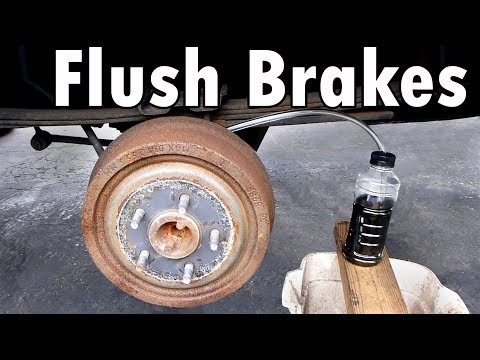
- Racing Brake Fluid: Street fluid is designed for comfort and moisture resistance; it will boil under track temperatures, leading to a terrifying 'mushy' pedal. Switch to a high-boiling-point DOT 4 racing fluid. This is one of the most cost-effective ways to improve safety and confidence.
- Track-Specific Pads: Street pads 'fade' (lose friction) when they get hot. Track pads are designed to thrive in high-heat environments.
- The Tradeoff: Racing pads are loud, incredibly dusty, and can be abrasive on rotors when cold. Do not expect a quiet ride on the way home from the track if you are driving your race car to the venue.
3. The 'Secret Sauce': Proper Alignment
A street alignment is designed to keep your car traveling straight on the highway with minimal tire wear. A track alignment is designed to maximize grip while the car is leaning into a corner.
- Negative Camber: By tilting the tops of the tires inward (negative camber), the tire surface becomes flat against the ground when the car rolls in a turn. For a dedicated track car, -2.5 to -3.0 degrees is a common starting point, depending on the vehicle's suspension geometry.
- Toe Settings: A tiny amount of 'toe-out' in the front can make the car 'turn-in' more aggressively, though it can make the car feel 'darty' or nervous on long straights.
4. Weight Reduction (The 'Free' Horsepower)
Adding 10 horsepower only helps you accelerate. Removing 100 pounds helps you accelerate, brake later, and corner faster. It is the only modification that improves every metric of performance simultaneously.

- What to Pull: Start with the easy stuff: passenger seats, rear seats, carpets, and sound-deadening material. These can easily account for 100 to 200 pounds in a modern street car.
- The Tradeoff: A stripped car is loud, hot, and vibrates. It also might move you into a higher racing class with more experienced competition.
- Safety First: Never remove safety equipment (like door impact beams) or required components just to save weight unless you are replacing them with a certified roll cage or racing seat.
5. Solve Handling Problems (Suspension)
Do not buy expensive coilovers just because a forum post said they were the best. Suspension changes should be used to solve specific handling problems rather than being installed because they are popular.

| If the car does this... | It is called... | Try this... |
|---|---|---|
| Refuses to turn; plows toward the outside. | Understeer | Soften the front sway bar or stiffen the rear. |
| The back end wants to slide out. | Oversteer | Soften the rear suspension or increase rear tire pressure. |
| The car feels floaty or bouncy. | Poor Damping | Increase shock stiffness (if adjustable). |
6. The Most Important Part: The Driver
The biggest performance gap in grassroots racing is rarely the car—it is the person behind the wheel. Driver development provides the biggest performance improvement of all.
- Use Data: You do not need a 2,000 dollar data logger. Smartphone apps like Harry’s Lap Timer or TrackAddict paired with a 10Hz Bluetooth GPS receiver provide incredible insights.
- Analyze Your Braking: Most amateurs brake too early and too soft. Data will show you exactly where you are 'coasting' (neither on the gas nor the brakes). Eliminating coasting time is the fastest way to drop seconds.
- Consistency is King: If your lap times vary by 2–3 seconds, you are still learning the line. Focus on hitting the same apex and braking at the same marker every single lap before you try to go 'faster.'
Practical Pre-Race Checklist
Before you head to the track to find that non-horsepower speed, run through this list:
- Brake Pads: Do you have at least 50% material left? Track use eats pads twice as fast as street use.
- Fluid Age: Is your brake fluid fresh? Fluid older than a few months can absorb moisture, lowering its boiling point.
- Wheel Torque: Did you torque your lug nuts to spec? Check this after every session once the wheels have cooled slightly.
- Loose Items: Is the cabin empty? Floor mats, garage door openers, and water bottles become projectiles in a high-G corner.
- Visibility: Is the windshield clean inside and out? You cannot drive a line you cannot see.
Summary
In amateur racing, reliability equals seat time, and seat time equals speed. A car with a modest engine that runs all day allows the driver to learn. A high-strung, high-horsepower build that spends half the day on jack stands provides no experience. Focus on your tires, your brakes, and your technique, and you will find yourself passing those faster cars in the corners.



No Comments Yet
Be the first to comment on this article.