Curtis.Castiglione@ROzebra.com

How Much Does It Cost to Repair a Car Suspension?
Have you ever driven down a familiar road and suddenly felt like your car was bouncing more than a boat on choppy water? Or perhaps you have noticed a sharp, metal-on-metal clunking sound every time you hit a small pothole. From the driver’s seat, suspension problems usually start as a minor annoyance—a steering wheel that feels slightly off-center or a car that "dives" forward when you hit the brakes. You might describe it as feeling every single pebble on the road or noticing that the car drifts to one side even when you are trying to drive straight.
As an automotive technician, I hear these descriptions daily. While they sound like simple comfort issues, those sensations are your vehicle’s way of screaming that its handling and safety systems are compromised. Your car suspension isn't just there to provide a smooth ride; it is the critical bridge between your tires and the chassis. It is responsible for keeping your tires in constant contact with the road, managing the vehicle’s weight during turns, and ensuring your brakes can stop the car effectively.
When components wear out, your vehicle handling suffers, and your safety is at risk. But the big question on every driver’s mind is: How much does it cost to repair a car suspension?
Average Suspension Repair Costs
On average, most drivers spend between $300 and $1,500 for common individual repairs. However, if the entire system has been neglected and you require a full suspension replacement, costs can climb as high as $5,000 or more. This is especially true for luxury vehicles equipped with complex air or electronic suspension systems.
Signs Your Suspension Needs Professional Attention
Before we look at the invoice, you need to know what to look for. One of the most common diagnostic tricks we use in the shop is the "bounce test." Walk to the corner of your car and push down hard on the hood or trunk. If the car bounces more than two times before settling, your shocks or struts are likely worn out and unable to dampen the spring's energy.
Other red flags include:
- Nose-diving: The front of the car dips significantly when braking, which can actually increase your stopping distance.
- Leaning: The vehicle sits lower on one side when parked on level ground, often indicating a broken coil spring.
- Fluid Leaks: Visible oily residue leaking from the body of a shock absorber.
- Uneven Tire Wear: "Cupping" or bald spots on your tires often indicate the suspension isn't keeping the tire flat on the road.
Common Suspension Repairs and Their Costs
Suspension systems are made up of several articulating parts. Fortunately, you rarely need to replace everything at once. Here is a breakdown of what you might expect to pay:
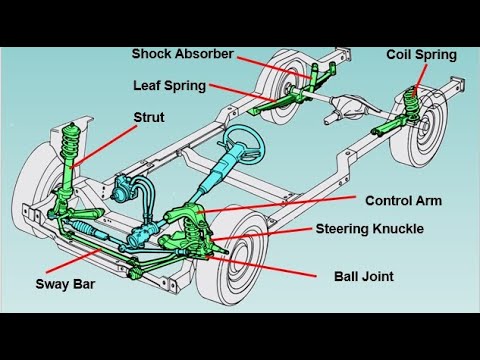
- Shocks and Struts: These are the most common parts to wear out. They dampen the impact of the road. Replacing a pair of shocks or struts typically costs between $400 and $1,200. We always recommend replacing them in pairs (both fronts or both rears) to maintain balanced handling.
- Control Arms and Bushings: Control arms are the hinges that allow your wheels to move up and down. If the rubber bushings inside them crack or dry out, you will hear a loud knocking sound. Replacing a control arm usually costs between $500 and $1,000 including labor.
- Ball Joints: These act as the pivot points between the wheels and the suspension. If a ball joint fails, the wheel can actually collapse outward, causing a total loss of steering. This critical repair usually costs between $200 and $500 per joint.
- Sway Bar Links: If you hear a light rattling or clicking when going over small bumps, it is often the sway bar links. These are relatively affordable, typically costing between $150 and $300 to replace.
- Wheel Alignment: Any time you perform a suspension repair, you must get a wheel alignment. This ensures your tires are pointed in the precise direction intended by the manufacturer. Expect to pay $100 to $200 for this service.

Factors That Affect Your Final Bill
The wide range in suspension repair cost comes down to three main variables:
- Vehicle Make and Model: Parts for a standard domestic sedan are much cheaper than parts for an imported European luxury SUV.
- OEM vs. Aftermarket: Original Equipment Manufacturer (OEM) parts usually offer the best fit and longevity, but high-quality aftermarket parts can save you 20% to 30% on material costs.
- Labor Rates: Labor is a significant portion of suspension work because many components are difficult to access. Shops in major metropolitan areas will naturally have higher hourly rates than those in rural regions.
Is It Safe to Drive With Suspension Problems?
In short: No. While a squeaky bushing might just be annoying, a worn-out shock absorber significantly increases your stopping distance, and a failing ball joint can cause you to lose control of the vehicle entirely. Driving with a compromised suspension also puts extreme stress on your tires and brakes, leading to much more expensive repairs down the road.
Frequently Asked Questions
How long does a suspension last? Most shocks and struts are designed to last between 50,000 and 100,000 miles, depending on road conditions and your driving habits. If you drive on dirt roads frequently, expect a shorter lifespan.
Can I replace just one shock? Technically yes, but it is a poor practice. Replacing only one side creates an imbalance in how the car handles, which can lead to unpredictable behavior during emergency maneuvers.
Does insurance cover suspension repair? Standard insurance typically only covers suspension damage if it was caused by a specific accident, collision, or a major pothole strike that results in an insurance claim. Normal wear and tear is considered a maintenance responsibility of the owner.
Conclusion
Understanding how much does it cost to repair a car suspension helps you budget for necessary maintenance and avoid surprise costs at the shop. While the price of parts and labor can seem high, maintaining your suspension is a direct investment in your safety and your vehicle’s longevity. If your car is showing signs of trouble, consult a certified technician sooner rather than later to keep a small problem from turning into a major hazard.
Disclaimer: Please note that repair costs vary significantly based on vehicle make, model, geographic location, and local labor rates. Always get a written estimate from a certified technician before proceeding with repairs.



No Comments Yet
Be the first to comment on this article.