Curtis.Castiglione@ROzebra.com

Heavy-Duty Differential Leak Diagnosis
Learning Outcomes:
- Identify four primary leak locations on a heavy-duty rear differential.
- Differentiate between external seepage and internal mechanical failure.
- Execute a clean-and-test diagnostic to pinpoint elusive fluid sources.
DIAGNOSING AND CONTAINING DIFFERENTIAL LEAKS
Differential fluid is the only barrier against friction under extreme torque. Low levels cause metal-on-metal contact and rapid gear destruction. Early detection prevents a simple seal replacement from becoming a costly total overhaul.

Isolate the source using these steps:
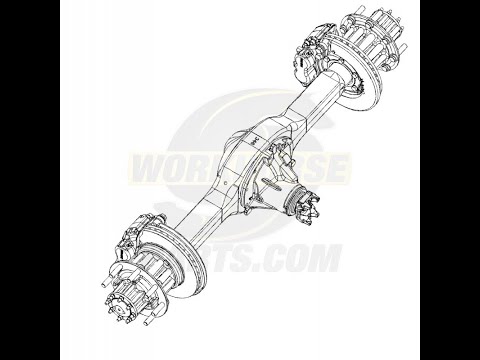
- Inspect the pinion seal at the driveshaft input.
- Check axle seals near the wheel hubs.
- Examine the differential cover gasket and housing joints.
- Clear the housing vent tube to prevent pressure build-up.
Never assume the wettest spot is the origin. Airflow pushes migrating fluid backward during operation. Degrease the entire housing and road test to find the fresh leak point.
Assess fluid condition immediately. If the lubricant contains silver flakes or a scorched odor, internal bearings or gears are already failing. A new seal cannot fix mechanical trauma. If the fluid is compromised, pull the cover for a full teardown. Act fast to protect the drivetrain.
Pro-Tip: Clean the housing and road test immediately; wind-blown oil frequently migrates and misleads visual inspections.



No Comments Yet
Be the first to comment on this article.