Curtis.Castiglione@ROzebra.com
Future Rare Oddball Buyer’s Guide
By: Curtis Castiglione
Introduction
In an era of electrified powertrains, steer-by-wire systems, and monolithic touchscreens that control everything from the wipers to the glovebox, the automotive world is rapidly losing its tactile soul. For the forward-thinking enthusiast, the next frontier of collecting isn't found in million-dollar Italian exotics wrapped in plastic. Instead, true foresight is found in the "mechanical dead ends"—those stubborn, unglamorous configurations that represent the final gasp of analog engineering before the world went fully automated.
Choosing the right "oddball" is about identifying the exact moment a manufacturer paired a legendary mechanical component with a modern chassis just before that technology was phased out forever. These vehicles weren't necessarily saved by collectors when new, making clean, surviving examples the blue-chip assets of tomorrow's nostalgic market. This guide breaks down the 11 configurations you should be hunting right now.
Key Factors to Consider
When shopping for a future rare oddball, the following criteria determine the difference between a high-value investment and a high-maintenance headache:
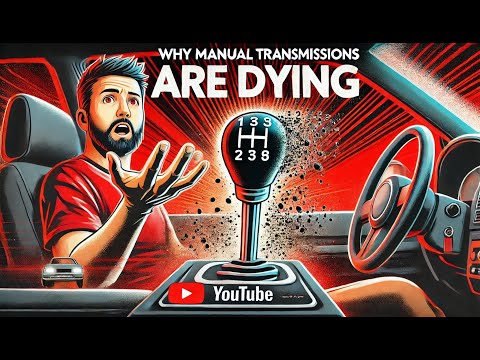
- Mechanical Purity: Look for specific engine-transmission pairings. In this market, a manual transmission usually adds a 20% to 50% premium over an automatic counterpart because it represents a driving experience that no longer exists in modern equivalents.
- Documentation and Maintenance: Because many of these vehicles were sold as "workhorses" or "appliances," finding one with a paper trail is rare. A documented service history is the single most important factor for long-term value.
- Modification Status: The collector market prizes originality. Vehicles that have been "tuned," lifted, or modified with aftermarket electronics are generally less valuable than stock examples.
- Regional Condition: For the trucks and SUVs on this list, frame rust is the ultimate deal-breaker. A high-mileage vehicle from a dry climate is almost always a better buy than a low-mileage vehicle from the "rust belt."
Top Product Picks by Category
Best Overall Performance: 2006 Pontiac GTO (6.0L LS2 + 6-Speed Manual)
The GTO was a sales disappointment when new, but it is the ultimate "sleeper" muscle car today. It features a genuine Corvette-sourced LS2 V8 in a comfortable, Australian-built (Holden Monaro) chassis. It represents the last pure GM rear-wheel-drive V8 coupe with a manual stick and minimal electronic intervention.

- Pros:
- Immense power and easy engine tunability.
- Comfortable, high-quality interior for long-distance cruising.
- Subtle styling that avoids unwanted attention.
- Cons:
- Exterior parts and body panels are becoming difficult to source.
- Heavy curb weight impacts handling compared to smaller sports cars.
Best Daily Utility: 2007 Toyota Tacoma Access Cab (2.7L 4-Cylinder + 5-Speed Manual + 4x4)
This is the "mechanical cockroach" of the truck world. It is the last of the simple, small-displacement, manual 4WD trucks that can be serviced with a basic tool set. Modern safety standards and the push for digitization have made this rugged, analog layout extinct.

- Pros:
- Legendary reliability and high resale value.
- Excellent fuel economy for a 4WD vehicle.
- Robust mechanical 4WD engagement.
- Cons:
- The 2.7L engine is slow and lacks towing power.
- Access Cab rear seats are cramped for adult passengers.
Best Entry-Level Collector: 2005 Ford Crown Victoria Police Interceptor (P71)
2005 marked the final year of the robust P71 mechanical layout before steering and axle updates shifted the car's character. It represents the final era of rear-wheel-drive, body-on-frame, V8 "couch cruising."

- Pros:
- Bulletproof drivetrain and body-on-frame construction.
- Extremely low cost of parts and maintenance.
- High "cool factor" at local car meets.
- Cons:
- Most examples have high idle hours and heavy wear from police use.
- Fuel economy is poor by modern standards.
Niche Configuration Recommendations
1. 2008 Ford F-150 4.2L V6 (5-Speed Manual)
The absolute final breath of an analog working-class formula. This pairs the Essex V6 with a traditional floor-shifter in the eleventh-generation body. After 2008, the half-ton manual truck went extinct for good.
2. 2004 Jeep Grand Cherokee WJ (4.0L I-6 + Selec-Trac NV242)
The swan song of an unbreakable motor paired with the best dual-duty transfer case ever stamped. It offers proper part-time and full-time 4WD capability before the lineup went soft with independent front suspension.
3. 2007 Chevrolet Silverado 1500 Classic (Vortec 5.3L + 5-Speed Manual)
The "tweener" truck that snuck a V8 and a manual gearbox past the safety goalposts for one final year during the body style transition. Finding a clean "Classic" that wasn't a work truck is a major win.
4. 2004 Honda CR-V (2.4L + 5-Speed Manual + Real Time 4WD)
A rugged, picnic-table-in-the-trunk commuter with a hidden enthusiast pedigree. These K-series-powered boxes are bulletproof adventure rigs, and manual versions are vanishing fast.
5. 2002 Chevrolet Camaro SS (LS1 + 6-Speed Hardtop)
The definitive end of the pop-up headlight, "catfish" F-body generation. The hardtop version is the stiffest and rarest configuration, prized by performance purists over the leak-prone T-tops.
6. 2004 Subaru Forester 2.5XT (5-Speed Manual)
A sleeper factory turbo wagon that handles like a rally car. Before "crossover" meant a boring appliance, Subaru jammed a WRX STI-derived heart into this boxy frame.
7. 2001 Jeep Cherokee XJ (4.0L + AW4 Automatic, Final Run)
The square-edged box that refuses to die. 2001 was the curtain call, representing the absolute peak refinement of a design philosophy that Detroit eventually abandoned for rounded plastic.
8. 2008 Scion xB (First Generation, 5-Speed Manual)
The rolling toaster box that was shockingly practical. They were largely modified into oblivion, making clean, stock manual examples deeply ironic and uniquely collectible modern design icons.
Frequently Asked Questions (FAQs)
Q: Why should I buy a manual transmission vehicle if modern automatics are faster? A: While modern automatics are more efficient, they are also more complex and expensive to repair. A manual transmission offers a mechanical connection and longevity that makes these specific vehicles "future-proof" for collectors who value engagement over raw shift speed.
Q: Are high-mileage examples worth buying? A: Yes, if the price reflects the condition and the maintenance history is documented. These configurations were built during an era of high mechanical durability. A 150,000-mile Toyota or Jeep that has been well-cared-for often has another 100,000 miles of life left.
Q: Will these cars actually appreciate in value? A: We are already seeing "peak analog" vehicles rise in price. As the market moves toward SUVs and EVs, these manual-shift, internal combustion holdouts become rare novelties that drive up demand among nostalgic buyers.
Final Verdict
If you are looking for the best overall balance of performance and future collectibility, the 2006 Pontiac GTO with the 6-speed manual is the clear winner. It offers a raw V8 experience that is currently undervalued compared to its peers.
For those on a budget who want a reliable "forever" vehicle, the 2007 Toyota Tacoma 2.7L Manual or the 2005 Ford Crown Victoria P71 are the smartest financial plays. These vehicles represent a time when cars were tools meant to be used, maintained, and kept for decades—a philosophy that is, unfortunately, a thing of the past. Pick your favorite "dead end" now before the rest of the market catches on.



No Comments Yet
Be the first to comment on this article.