Curtis.Castiglione@ROzebra.com

Ford Differential Whine Diagnostics
COURSE TITLE: FORD DRIVELINE DIAGNOSTICS: DIFFERENTIAL WHINE
LEARNING OUTCOMES:
- Identify gear and bearing wear through specific sound variations.
- Execute a systematic fluid and seal inspection.
- Isolate differential noise from wheel bearing or tire interference.
Differential Diagnostic Procedures

Differential whine signals shifted gear tolerances. Contact patterns change due to wear, bearing fatigue, or lubrication failure. Noise increasing during acceleration indicates ring and pinion issues. Constant whining suggests carrier or pinion bearing failure. If noise vanishes during coasting, pinion depth or backlash is likely incorrect.
Fluid loss causes rapid destruction. Inspect axle and pinion seals for leaks. Low levels increase friction and heat. Milky fluid indicates water contamination, which destroys bearing surfaces.
Chassis resonance mimics differential noise. Failing wheel bearings and cupped tires often deceive technicians. Road test to determine if pitch shifts under load or remains constant with vehicle speed. Use chassis ears to verify the source before teardown. Vibration accompanied by noise suggests internal failure, unbalanced driveshafts, or failing u-joints.
DIAGNOSTIC STEPS:
- Check fluid level and inspect for metallic debris or milkiness.
- Road test to correlate noise with engine load and speed.
- Inspect seals, vent tubes, and housing for external leaks.
- Use chassis ears to isolate sound directly to the differential housing.
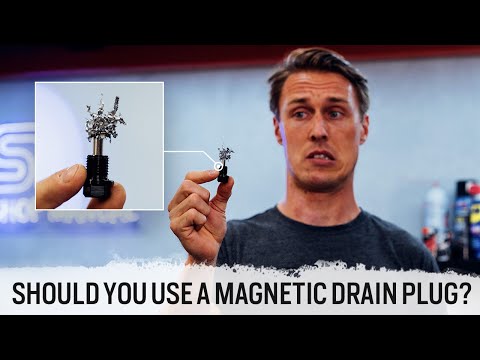
PRO-TIP: Magnetic drain plugs covered in thick silver paste or metal chunks confirm internal mechanical failure.



No Comments Yet
Be the first to comment on this article.