Curtis.Castiglione@ROzebra.com
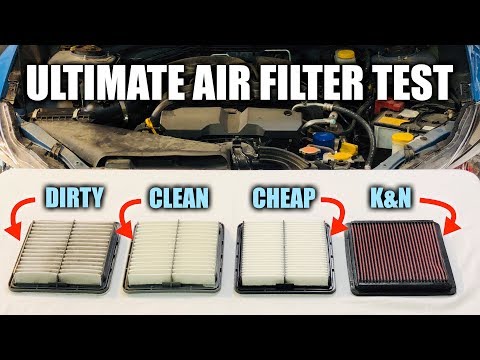
Filter Efficiency and Flow Restriction
The Technical Rationale: Flow Restriction vs. Visual Contamination
Effective service advising requires a shift from aesthetic observations to the principles of fluid dynamics. A filter reaches its functional limit not when it simply looks dark, but when the pressure drop across the media forces the engine to compensate for restricted airflow or fuel delivery.
When filter media is saturated, the engine management system must work harder to pull air or push fuel through the restriction. This compensation increases internal stress and reduces combustion efficiency. By framing the conversation around the engine’s breathing capacity, you ensure the customer understands the direct link between filtration and long-term mechanical reliability.
The Bridge Technique: Communicating Performance Data
Utilize the Bridge Technique to move the customer from current inspection data to a future outcome. This method replaces sales pressure with a data-driven projection of the vehicle's health.
- The Baseline: Your vehicle is currently maintaining its primary performance standards, but our inspection of the air intake system shows the filter media has reached a saturation point where airflow is becoming obstructed.
- The Trend: As this particulate matter builds up, the engine management system must adjust timing and fuel trim to compensate for the lack of oxygen, which leads to a steady decline in your average miles per gallon.
- The Projection: Continuing to operate with this restriction will lead to accelerated wear on internal components and higher fuel costs over the next five thousand miles. Proactively restoring this flow today protects the engine's long-term health and keeps your operating costs low.
Empirical Evidence: The Light Test Visualization
To provide objective proof of restriction, utilize a high-lumen light source behind the filter media. This diagnostic step moves the recommendation from a subjective opinion to a physical demonstration.
- Identify Opacity: Hold the filter up to the light and point out specific areas where debris has fully embedded in the fibers, creating total opacity.
- Contrast Surface Area: Compare these saturated areas with cleaner sections to show the difference in light penetration.
- The Conclusion: Demonstrate that the engine is pulling air through a significantly reduced surface area. This provides visual evidence that the filter is no longer an open system and is actively resisting flow.
Strategic Alignment: Reliability and Cost Efficiency
Position filter replacement as an optimization service rather than a repair. The goal is to align the service with the customer’s desire for vehicle longevity and reduced overhead.
- Fuel System Optimization: Explain that the cost of a new filter is a small fraction of the cumulative cost of decreased fuel efficiency.
- Preventative Reliability: Maintaining clean media prevents bypassed particulates from contaminating sensitive sensors, such as the Mass Air Flow sensor. This helps the customer avoid the expense of premature component failure.
- Historical Documentation: Note the filter's capacity level in the service file (e.g., 75% restricted). If a previous visit noted moderate restriction, use that data to show the progression toward a functional limit.
Soft Close and Future-Focused Scheduling
Advising is about maintaining the vehicle’s optimal operating condition over time. If the filter is nearing but has not yet reached its threshold, schedule the replacement for a future date to build trust and maintain a proactive maintenance schedule.
To ensure your engine maintains this level of efficiency and reliability, let's include this filter replacement in your next service interval. Does it work better for you to have this handled during your upcoming scheduled visit on the 15th, or should we lock in a quick appointment for next Wednesday morning?
Written by Curtis Castiglione



No Comments Yet
Be the first to comment on this article.