Curtis.Castiglione@ROzebra.com

Essential Tools for Amateur Racing
The difference between a successful race weekend and a long, disappointing drive home often comes down to what is inside your toolbox. In the world of grassroots racing, you do not need a professional-grade, multi-tier rolling cabinet to be successful. However, you do need a strategic selection of tools that allow you to handle routine maintenance and the minor mechanical hurdles that inevitably arise when a car is pushed to its limits.
Being self-sufficient in the paddock is not just about saving money; it is about maximizing your track time. Efficient preparation allows you to spend your weekend behind the wheel rather than scrambling for a tool you do not have.
The Foundation: Basic Hand Tools
Your primary kit should be tailored specifically to your vehicle. Before heading to the track, verify whether your car uses Metric (common for Japanese and European cars) or SAE/Standard (common for older domestic cars) fasteners.
- 3/8-inch Drive Socket Set: This is the ideal size for most track work. It is small enough to fit into tight engine bays but strong enough to handle most bolts on your car.
- Combination Wrenches: Carry a full set, typically 8mm to 19mm for most modern cars. These are vital for holding one side of a nut-and-bolt assembly while you turn the other with a ratchet.
- Hex and Torx Keys: Many modern cars use these for interior panels, engine covers, or even brake caliper slide pins. Ensure you have a dedicated set if your car requires them.
- Screwdrivers and Pliers: Include needle-nose pliers for small clips and heavy-duty slip-joint pliers for stubborn hoses.
Pro Tip: Lay your tools out and perform a basic task, like a brake pad change, at home first. If you find yourself reaching for a tool that is not in your track box, add it immediately.
The Safety Essential: A Quality Torque Wrench
In racing, components are subjected to extreme heat and constant vibration, which can cause fasteners to stretch or work loose. A torque wrench is a critical safety tool, not a luxury.
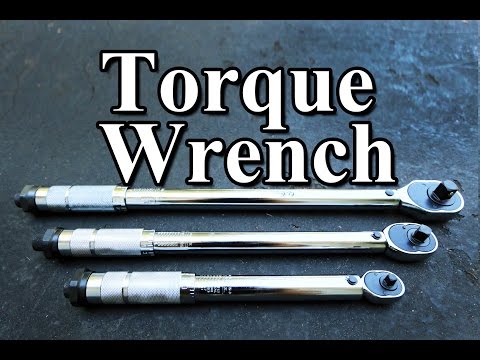
- Wheel Lug Nuts: You should check your lug nuts before every single session on track. Over-tightening can snap a wheel stud, while under-tightening can lead to a wheel vibrating off at high speed.
- Critical Components: Use the torque wrench for brake caliper bolts, suspension arms, and seat mounts.
Keep a small cheat sheet in your toolbox with your vehicle’s factory torque specifications so you do not have to hunt for them on your phone when you are in a rush.
Tire Management: Gauges and Air
Tires are the most important variable in how your car handles. As they heat up, the air inside expands, causing the pressure to rise and potentially changing the car's balance from neutral to understeer or oversteer.

- The Gauge: Avoid cheap pencil-style gauges found at gas stations. Invest in a high-quality analog or digital gauge with a pressure-relief valve. This allows you to bleed off excess air immediately after a session while the tires are still hot.
- Portable Air Compressor: Do not rely on the track’s shared air station, which might be across the paddock or out of order. A compact 12-volt or battery-powered compressor allows you to make adjustments right in your pit space.
Lifting Equipment: Jack and Stands
If you need to change tires or inspect a strange noise, you need a reliable way to get the car in the air.

- Low-Profile Aluminum Jack: Most race cars are lowered, making a standard floor jack difficult to use. A low-profile aluminum jack is lightweight and fits under most side skirts.
- Jack Stands: Never work under a car supported only by a jack. Always use sturdy jack stands.
- Plywood Squares: If you are parked on grass, dirt, or even hot asphalt, place small squares of plywood under your jack and stands to prevent them from sinking or tipping.
The Save the Day Kit: Consumables
Sometimes a race is saved by a 10-cent zip tie rather than an expensive wrench. Your kit should include an essentials box for quick fixes:
- Zip Ties and Racers Tape: Use these for securing loose bodywork or grouping wires.
- Spare Fluids: Carry at least two quarts of motor oil, a bottle of high-temperature brake fluid, and a gallon of distilled water or coolant.
- Loctite (Blue): This ensures bolts do not vibrate loose under racing conditions while still allowing them to be removed with hand tools later.
- Cleaning Supplies: Shop towels, heavy-duty hand cleaner, and a glass cleaner for your windshield are helpful for maintaining visibility and comfort.
- Safety Gear: Mechanic’s gloves protect your hands from hot engines, and a bright headlamp is essential for working under the car in a dark paddock.
Documentation: Your Mental Toolbox
The fastest racers are not necessarily those with the most horsepower; they are the ones who understand their car. Carrying a logbook is as important as carrying a wrench. Use your notebook to track:
- Ambient and track temperatures.
- Cold tire pressures (before the session) and Hot pressures (immediately after).
- Lap times and how the car felt (e.g., understeer in Turn 3).
- Any changes you made (e.g., softened rear shocks).
Over time, this data helps you stop guessing and start making informed adjustments that result in faster lap times and better tire wear.
The Track-Day Checklist
Before you leave the garage, ensure these items are in your vehicle:
| Category | Item |
|---|---|
| Wrenches and Sockets | 3/8-inch Drive set, Combination wrenches (8mm-19mm) |
| Specialty | Torque wrench, Hex/Torx keys, Screwdrivers |
| Tires | High-quality pressure gauge, Portable compressor |
| Lifting | Low-profile jack, 2x Jack stands, Plywood squares |
| Consumables | Zip ties, Racers tape, Oil, Brake fluid, Shop towels |
| Misc | Flashlight or Headlamp, Mechanic's gloves, Logbook |
By focusing on these essentials, you ensure that you can handle the majority of common issues encountered at the track. Being prepared means less stress in the paddock and more focus on your driving technique.



No Comments Yet
Be the first to comment on this article.