Curtis.Castiglione@ROzebra.com

Engine Repair vs. Replacement Analysis
- Distinguish between external component failure and catastrophic internal damage.
- Quantify the labor-to-part ratio for internal engine reconstruction.
- Determine the viability of long block replacement over individual component repair.
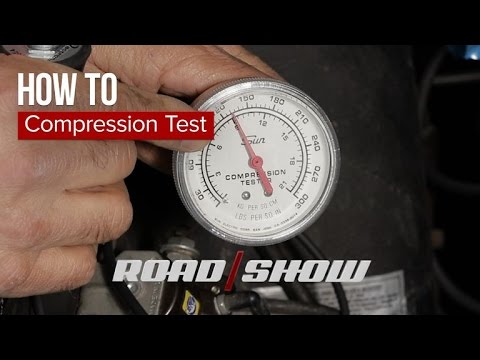
Critical Engine Diagnostic Protocols
External sensors or gaskets represent minor fixes. Major failures compromise core structural integrity. Damage to crankshafts, pistons, or cylinder walls shifts the repair scope entirely. Extensive disassembly drives labor costs. Machine shop work introduces precision variables. Replacing individual components in high-mileage engines often triggers secondary failures due to uneven wear.
A long block provides a pre-assembled, factory-timed solution. It eliminates assembly error and reduces vehicle downtime. Technicians must evaluate the economic break-even point where labor costs and machine shop fees outweigh the reliability of a factory-built unit.
- Execute compression and leak-down tests to verify cylinder health.
- Inspect the oil pan for metallic debris or bearing material.
- Use a borescope to document cylinder wall scoring.
- Compare total rebuild labor hours against the flat-rate for long block installation.
- Review manufacturer service bulletins for mandated replacement criteria.
Pro-Tip: If rebuild labor exceeds 60% of replacement cost, install a long block for superior warranty coverage.



No Comments Yet
Be the first to comment on this article.