Curtis.Castiglione@ROzebra.com
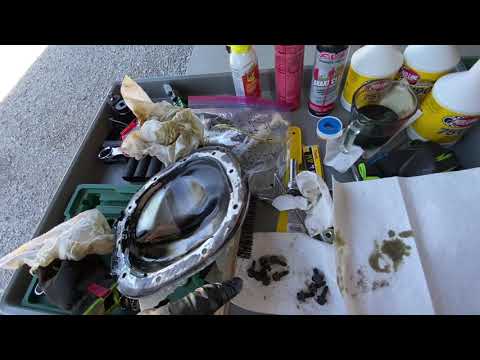
Differential Seal vs. Internal Repair Diagnostics
Learning Outcomes
- Distinguish between isolated seal wear and internal assembly failure.
- Conduct a four-point inspection to determine repair scope.
- Identify secondary causes of seal failure, such as pressure buildup or shaft play.

Diagnostics: Seal Failure vs. Internal Damage
Visible leaks are symptoms, not definitive diagnoses. A leaking seal often signals underlying mechanical failure rather than simple age-related wear. Always investigate the root cause before proceeding. If excessive shaft play exists, a replacement seal will fail immediately.
Analyze fluid condition first. Metallic shavings or burnt odors confirm gear or bearing damage. Check for radial and axial play using manufacturer specifications. Movement beyond these limits necessitates a full assembly overhaul.
For example, a Ford F-350 pinion leak frequently stems from a loose nut or collapsed crush sleeve. Replacing the seal alone ignores the bearing instability causing the leak. Furthermore, inspect the vent tube. Clogged vents build internal pressure that forces fluid past healthy seals. Ensure the repair matches the internal condition, not just the visible wetness.

- Check the breather vent for clogs that cause pressure buildup.
- Inspect the sealing surface on the yoke or shaft for grooves or pitting.
- Measure lateral runout and bearing play using a dial indicator.
- Document fluid color and debris content to justify the repair scope.
Pro-Tip: Clear the vent tube; a clogged breather will blow out a brand-new seal within miles of repair.



No Comments Yet
Be the first to comment on this article.