Curtis.Castiglione@ROzebra.com
Diagnosing Wheel Bearing Play and Noise
Imagine you are cruising down a freshly paved stretch of highway. The radio is low, the wind noise is minimal, but there is an unmistakable, low-pitched hum coming from somewhere beneath the floorboards. It sounds like a distant propeller plane or a constant grinding that seems to sync perfectly with your speed.
You might notice that when you veer slightly to change lanes, the sound magically disappears for a split second, only to return even louder when you straighten the wheel. This is not just road noise; it is the classic complaint of a failing wheel bearing.
What is Really Happening Under the Hub?
As a technician, when a customer describes a growl, moan, or grinding that changes pitch with vehicle speed, my mind immediately goes to the hub-and-bearing assembly. This component is the critical interface between your car’s stationary suspension and the rotating wheel.
Inside that metal housing are hardened steel balls or rollers held within a circular track called a race. These internals are packed with high-temperature grease and sealed tight to keep out moisture and road salt. When that seal fails or the metal begins to fatigue due to age and mileage, we see a process called spalling. This is when small pits and flakes of metal break off the once-smooth surface of the race. That growling noise you hear is the sound of those steel rollers vibrating as they tumble over these damaged, uneven surfaces at thousands of revolutions per minute.
The Load Test: Narrowing Down the Culprit
One of the most effective ways we diagnose this is by loading the bearing. When you turn the steering wheel to the right, the weight of the vehicle shifts to the left side.
- If the noise gets louder during a right-hand curve: It usually means the left-side bearing is failing because you have just increased the physical pressure on those damaged internal rollers.
- If the noise disappears when you turn: You have unloaded the failing bearing, giving it a brief moment of relief.
Is It a Bearing or Just Loud Tires?
I often see owners mistake tire roar for a bad bearing. If you have aggressive off-road tires or if your tires are cupped due to poor alignment, they can make a very similar sound. To tell them apart, pay attention to the road surface.
Tire noise usually changes drastically when you move from smooth asphalt to coarse concrete. A wheel bearing, however, will keep growling regardless of what kind of pavement is under the tires because the mechanical damage is internal to the metal assembly itself.
How We Check It in the Shop
When you bring your car in, we perform a physical check to verify the diagnosis. With the vehicle safely on a lift, we grab the tire at the 12 o’clock and 6 o’clock positions and try to rock it back and forth.
There should be zero play. If we feel a click or a wiggle, the bearing has lost its internal clearance and is physically coming apart. We specifically use the vertical 12 and 6 positions because grabbing the tire at 3 and 9 o'clock might just show us a loose steering tie rod. The vertical check isolates the hub assembly.
More Than Just a Noise: The ABS Connection
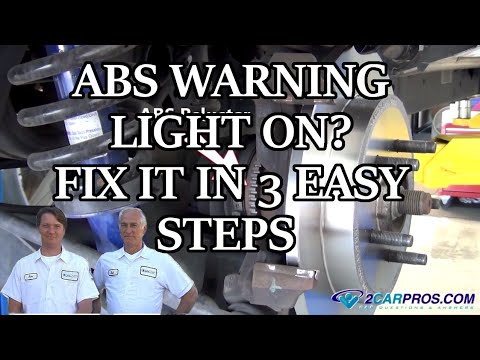
A failing bearing does more than just ruin your quiet ride; it can cause your dashboard to light up like a Christmas tree. Most modern cars have the wheel speed sensor for the Anti-lock Braking System (ABS) integrated directly into the hub.
If the bearing develops excessive play, the gap between the sensor and the magnetic ring becomes inconsistent. This leads to erratic data, which can trigger several issues:
- Dashboard Lights: The ABS or Traction Control warning light may stay illuminated.
- Pedal Feedback: You might feel an unexpected kick back or pulsing in the brake pedal during normal stops.
- Rotor Runout: If the hub is wobbling even slightly, the brake rotor will not stay parallel to the pads. This knocks the pads back into the caliper, which might give you a low or spongy brake pedal the first time you step on it.
Next Steps: What to Tell Your Mechanic
If you are experiencing these symptoms, do not wait. A wheel bearing is a safety-critical component. If it fails completely, the friction can generate enough heat to weld the parts together or, in extreme cases, allow the wheel assembly to detach from the vehicle.
When you visit your mechanic, be ready to share these details:
- At what speed does the noise start?
- Does the pitch change when you veer left or right?
- Have you noticed any new lights on the dashboard?
Providing these details helps us narrow down which of the four corners is failing, saving you time and diagnostic fees. Remember, a quiet ride isn't just about comfort—it’s about ensuring the only thing moving is the wheel, not the components holding it on.
Written by Curtis Castiglione



No Comments Yet
Be the first to comment on this article.