Curtis.Castiglione@ROzebra.com

Diagnosing EcoBoost Turbo Boost Leaks
Imagine you are merging onto the highway in your Ford F-150 or Explorer. You step on the gas, expecting that familiar surge of twin-turbocharged power to sweep you into traffic. Instead, the engine hesitates. You might hear a strange whistling sound, almost like a localized windstorm under your hood, or perhaps a sudden "pop" followed by a complete loss of pep.
Sometimes, it feels like your truck is suddenly towing a five-ton trailer that isn't actually there. Your dashboard might light up with an orange wrench icon or a "Check Engine" light, leaving you wondering if your expensive turbochargers have finally given up the ghost.
As a technician who spends my days under the hoods of Ford EcoBoost vehicles, I can tell you that while these symptoms feel catastrophic, the culprit is often much simpler—and much less expensive—than a blown turbo. You are likely dealing with a boost leak.

How Your EcoBoost Breathes
To understand a boost leak, you have to understand how your engine "breathes." EcoBoost engines use turbochargers to compress intake air, forcing more oxygen into the combustion chamber to create more power.
This pressurized air travels a specific path:
- It leaves the turbos.
- It travels through a series of charge air cooler (CAC) pipes.
- It passes through the intercooler (to cool the air down).
- Finally, it enters the intake manifold.
When there is a hole, a crack, or a loose connection anywhere in this path, that precious pressurized air escapes into the atmosphere instead of going into your engine.
The Usual Suspects: Where the Air Escapes
In the shop, we generally see three main failure points:
Brittle CAC Piping Ford often uses plastic piping for these components. Over years of driving, these pipes endure thousands of "heat cycles"—getting scorching hot while you drive and cooling down when you park. Eventually, the plastic becomes brittle and develops hairline cracks. Under high pressure during acceleration, those cracks expand, letting air hiss out.
Loose or Blown Couplers These are the heavy-duty rubber sleeves that connect the pipes. If a hose clamp has vibrated loose or was over-tightened and cut into the rubber, the pressure can actually push the hose right off the fitting. This usually results in a loud "bang" and an immediate, dramatic loss of power.

Failing Diverter Valves Also called a bypass valve, this component releases pressure when you let off the gas. If the internal diaphragm rips or the electronic solenoid fails, it can leak boost even while you are trying to accelerate. It is essentially like trying to blow up a balloon that has a hole in the bottom.
The Diagnostic: How We Find the Leak
When you bring a vehicle to us with these symptoms, we don't just start guessing and replacing parts. We perform a systematic pressure test.
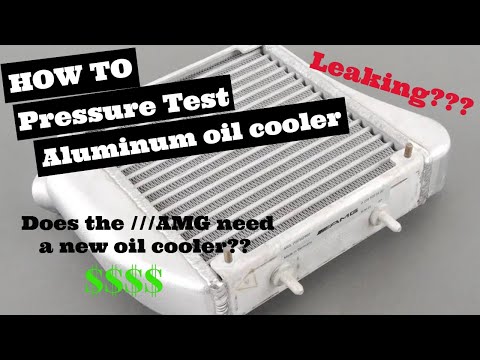
We seal off the intake system and use a specialized tool to pump regulated compressed air into the plumbing while the engine is off. This allows us to hear exactly where the air is escaping. We often spray soapy water on the pipes and look for bubbles—the same way you would check a lawnmower tire for a puncture.
Why You Should Not Ignore the Whistle
If your vehicle is throwing a P0299 "Underboost" code, your engine's computer has already realized that the boost pressure it is seeing is lower than what it is requesting.
Ignoring this is dangerous for your engine's long-term health. When air leaks out, the turbos have to spin much faster to try and compensate for the loss to meet the engine's power demands. This is called "overspeeding," and it can lead to total turbocharger failure—a multi-thousand-dollar repair—if left unaddressed.
Actionable Advice for the Owner
If you notice a whistling, a wheezing, or a sudden "lazy" feeling in your EcoBoost, you can do a quick visual inspection yourself:
- Look for Oil Residue: Escaping boost air often carries a tiny bit of oil mist with it. If you see oily "gunk" coating a black plastic pipe or a rubber connection, that is a neon sign for a leak.
- Check the Clamps: Give the rubber couplers a gentle shake to see if any clamps have wiggled loose.
- Talk to Your Tech: When you head to the shop, tell your mechanic, "I suspect a boost leak in the charge air system. Can we perform a pressure test?"
Addressing a fifty-dollar rubber coupler or a cracked plastic pipe today will keep your EcoBoost providing that signature punch for years to come. Keep the air in the pipes, and the power will stay under your foot.
Written by Curtis Castiglione



No Comments Yet
Be the first to comment on this article.