Curtis.Castiglione@ROzebra.com

Car Makes a Clicking Noise but Won't Start
By Curtis Castiglione
Few things are more frustrating than heading out for the day, turning your key or pressing the start button, and hearing only a clicking sound instead of the engine roaring to life. When your car makes a clicking noise but won't start, it is your vehicle’s way of telling you that the electrical system is trying to do its job but cannot provide enough power to turn the engine over.
The clicking sound is a symptom, not a final diagnosis. Understanding the specific type of noise you hear can help you communicate more effectively with a repair shop and help you understand what might be happening under the hood.
Identifying the Sound: Rapid vs. Single Click
The type of noise you hear is often the best clue for a technician. Usually, these sounds fall into two distinct categories:
- Rapid Clicking: You hear a fast, machine-gun-like clicking when you try to start the engine. This usually indicates that there is enough electricity to engage the starter’s internal switch, but not enough to actually spin the motor. As the system tries to draw power, the voltage drops, the switch releases, and the cycle repeats rapidly.
- A Single Solid Click: You hear one loud, distinct 'clack' when you turn the key, but the engine does not move at all. This often suggests that the starter motor itself is attempting to engage but is either mechanically stuck or electrically failing.
Common Causes
In most cases where a car makes a clicking noise but won't start, the culprit is one of three things:
- A Weak or Discharged Battery: Batteries typically last three to five years. Age, extreme temperatures, or leaving a light on overnight can drain the battery to the point where it can trigger the clicking sound but lacks the 'juice' to crank the engine.
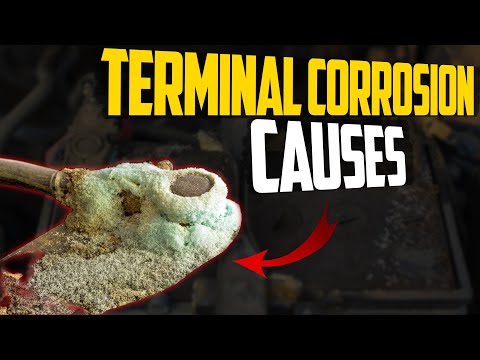
- Corroded or Loose Battery Connections: If the metal terminals on top of your battery are covered in white or green powdery crust, that buildup acts as an insulator. This prevents electricity from flowing to the starter. Even a healthy battery cannot start a car if the wires are too loose to make a solid connection.
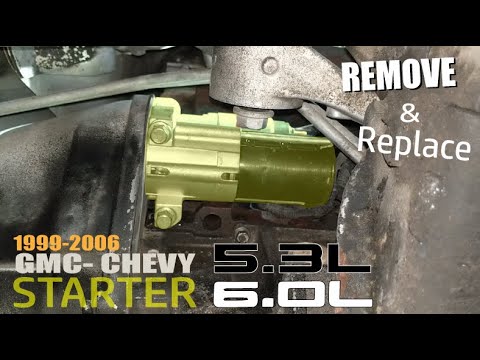
- The Starter Motor or Solenoid: The starter is a small but powerful motor that physically turns the engine. Over time, its internal components or the solenoid (the attached switch) can wear out, leaving it unable to function despite receiving power.
Less Common Causes
If the battery and starter are healthy, the problem may lie elsewhere in the vehicle’s systems:
- Failing Alternator: If the alternator isn't charging the battery while you drive, the battery will eventually become too weak to start the car.
- Neutral Safety Switch: This safety feature prevents the car from starting unless it is in 'Park' or 'Neutral.' If the switch is faulty, it may prevent the starting circuit from completing.
- Ignition Switch or Fuses: A blown fuse or a worn ignition switch can interrupt the signal sent to the starter.
- Seized Engine: In rare, serious mechanical cases, the engine itself may be stuck. The single click you hear is the starter trying—and failing—to force the engine to turn.

When the Problem is Serious
While a clicking noise is usually a sign of a simple electrical failure, you should use caution. If you smell smoke or a strong 'electrical burning' odor while attempting to start the car, stop immediately. This could indicate a short circuit or an overheated starter.
Safety Note: If you attempt to jump-start your vehicle, ensure you follow the instructions in your owner’s manual exactly. Modern vehicles have sensitive computers that can be damaged by improper jump-starting procedures. If your battery is leaking fluid or looks bloated, do not attempt to jump-start it; seek professional assistance immediately.
How a Technician Diagnoses the Problem
A professional technician will not simply replace parts based on the sound alone. They will typically perform a 'starting and charging system test,' which includes:
- Battery Load Test: Checking the battery’s health and its ability to hold a charge under stress.
- Voltage Drop Test: Checking if electricity is being lost through old, resistant, or damaged wiring.
- Current Draw Test: Measuring how much electricity the starter is pulling to see if the motor is dragging or shorting out internally.
What to Record Before Seeking Service
To help your mechanic save time and money on diagnosis, take note of these details when your car makes a clicking noise but won't start:
- Did the car click rapidly or just once?
- Did the interior lights or dashboard dim significantly when you tried to start it?
- Is the problem intermittent (does it happen only sometimes)?
- Does the problem happen when the engine is hot, cold, or after sitting for a long time?
- Did a jump-start from another vehicle get it running?
Questions to Ask Your Repair Shop
- Did the battery fail a load test, or was it just discharged?
- Are the battery cables and terminals in good condition, or do they need cleaning?
- Is the alternator providing the correct voltage to keep the battery charged?
- Is there a 'parasitic draw' (something electrical staying on) draining the battery while the car is turned off?
By paying close attention to the specific behaviors of your vehicle, you can provide the necessary information to ensure an accurate, efficient repair.



No Comments Yet
Be the first to comment on this article.