Curtis.Castiglione@ROzebra.com

Budget Hauler Buyer's Guide: Move Cross-Country for Free
Written by Curtis Castiglione
Moving across the country is notoriously expensive. Between professional movers and one-way rental truck fees that can easily exceed $3,000, many people find their moving budget exhausted before they even reach their new home. However, there is a third way: The Budget Hauler strategy.
By purchasing a high-utility, depreciated vehicle, using it as your personal moving van, and selling it immediately upon arrival, you can effectively eliminate your transportation costs. To succeed, you need a vehicle that is mechanically overbuilt, easy to repair, and in high demand on the used market. This guide breaks down the best "moving gems" and how to navigate the risks of the open road.
Key Factors to Consider When Choosing a Hauler
Before you scour Marketplace or Craigslist, you must evaluate potential vehicles against four strict criteria:
- Payload and Towing Capacity: It is easy to underestimate the weight of a household. Books, tools, and furniture add up quickly. You need a vehicle with a body-on-frame construction or a heavy-duty suspension that won't bottom out over mountain passes.
- Parts Ubiquity: If a belt snaps in rural Nebraska, you don't want to wait three days for a specialized part. Choose vehicles that were sold in the millions and share components with common trucks.
- The "Flip" Factor: You are looking for a "workhorse" aesthetic. High mileage and cosmetic dings are acceptable as long as the vehicle has a reputation for reaching 300,000 miles. These vehicles retain a "floor price" because there is always a buyer looking for a cheap work rig.
- Insurance and Registration: Ensure the vehicle is a passenger class. Avoid commercial box trucks, as they often fall under different insurance tiers and may be excluded from standard roadside assistance (AAA) programs.

Top Product Picks for the Budget Move
Best Overall: 1999–2006 Chevrolet Suburban / Tahoe (GMT800 Platform)
The GMT800 platform is the gold standard for budget logistics. These vehicles use the legendary small-block V8 engine and a heavy-duty truck frame. They offer a "rolling living room" experience while providing enough torque to pull a trailer and fill a 120-cubic-foot interior.
- Pros:
- Incredible durability and ease of repair.
- Massive interior volume.
- High resale value; people always need these for work or towing.
- Cons:
- Poor fuel economy (expect 12-15 MPG while loaded).
- Front-end suspension components often need replacement.

Best Stealth Hauler: 1998–2003 Toyota Sienna
If you want to keep your belongings out of sight and protected from the elements, the first-generation Sienna is a masterpiece. By removing the rear seats, you create a flat-floor cargo hold that rivals many small vans. While newer models exist, the older generations are the sweet spot for budget moves.
- Pros:
- Legendary Toyota reliability.
- Low load floor makes heavy lifting easier.
- Better fuel economy than a full-sized SUV.
- Cons:
- Limited towing capacity compared to a truck.
- Less "curb appeal" when it comes time to flip.
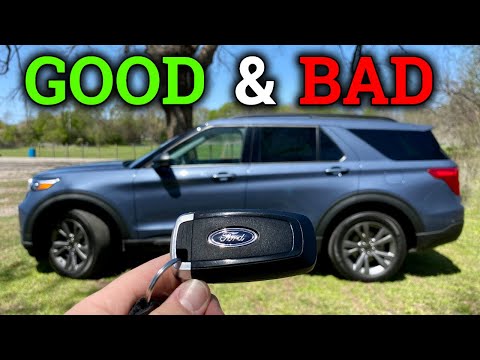
Best Budget Workhorse: 1999–2004 Ford Explorer (4.6L V8 Models)
While the V6 models of this era had their issues, the 4.6L V8 Explorer is a rugged, overlooked gem. It is a true body-on-frame SUV that can handle a significant payload without the high price tag of a Suburban or Tahoe.
- Pros:
- Extremely cheap to purchase.
- The V8 engine is highly reliable and shares parts with police interceptors.
- Compact enough to maneuver in city traffic.
- Cons:
- Transmission "shudder" is common if not maintained.
- Interior space is tighter than a minivan or full-sized SUV.
The Wild Card: Chevy Astro / GMC Safari
The Astro van is a cult classic for a reason. It is essentially a truck disguised as a minivan. It can tow 5,000 pounds and has a square interior that is perfect for stacking boxes.
- Pros:
- Massive cargo capacity.
- Truck-based drivetrain (4.3L V6) is nearly bulletproof.
- Cons:
- Cramped engine bay makes DIY repairs difficult.
- Aging examples often have "quirky" electrical issues.
The Brutal Truth About Breakdowns
When you buy a vehicle for under $4,000, you are buying someone else's maintenance deferred. To survive a 2,000-mile trip, you must focus on three critical failure points:
- The Cooling System Trap: Sustained highway speeds under heavy loads create immense heat. Old plastic radiators and brittle hoses are the primary killers of budget haulers. Inspect your coolant levels daily and never ignore a rising temperature needle. A blown head gasket turns your "smart financial hack" into a scrap-yard loss within 20 minutes.
- The Tire Trap: Never trust the tread alone. Check the DOT date code on the sidewall. If the tires are more than five or six years old, the internal structure may fail under the stress of a cross-country move. New "budget" tires are a cheaper investment than a high-speed blowout.
- The Check Engine Light Roulette: Carry a cheap OBD2 code scanner in the glove box. If the light pops on, scan it immediately. An EVAP leak or an O2 sensor code means you keep driving; a P0300 (random multiple cylinder misfire) or transmission code means you are stopping to investigate.
The Flip: Recouping Your Investment
The goal isn't to make a profit; it’s to move for free. To sell the vehicle within 48 hours of arriving at your destination:
- Price It for the Market: Look at local listings and price your vehicle $500 below the average. Speed is your friend.
- The "Moving Sale" Listing Strategy: Post it on Facebook Marketplace with total transparency: "Used it to move across the country last week, ran like a champ, loaded with power and cargo space, ready for the next owner's project or commute."
- Don't Fix Cosmetic Flaws: The bumper is scuffed? The headliner is sagging? Who cares. Sell it "as-is" for exactly what you bought it for (or a few hundred less to clear it out fast).
- Avoid Dealership Trade-Ins: A local used car lot will lowball you into oblivion. Sell it private party for cash to someone looking for a cheap work rig or a budget commuter.
Frequently Asked Questions (FAQs)
Q: Is it cheaper than renting a U-Haul? A: Usually, yes. A one-way rental from New York to California can cost $3,500 plus gas. A budget hauler might cost $3,500 to buy, but you get $3,000 to $3,500 back when you sell it. Your only "sunk costs" are fuel, registration, and minor repairs.
Q: Will AAA tow me if I break down? A: Only if you are in a passenger vehicle. This is why you should avoid box trucks or vehicles with commercial plates. Stick to SUVs and Minivans to ensure your roadside assistance policy covers you.
Q: Should I buy a sedan and remove the seats? A: Only as a last resort. While a large sedan like a Buick LeSabre or Ford Crown Victoria is reliable, the weight of a full household can easily overwhelm the rear suspension, leading to dangerous handling.
Final Verdict
If you have a moderate mechanical aptitude and a sense of adventure, the Budget Hauler strategy is the smartest way to move. For the best balance of reliability, space, and resale value, the 1999–2006 Chevrolet Suburban (GMT800) remains the undefeated king of the cross-country move. It is built to work, easy to fix, and will always find a buyer waiting on the other side.



No Comments Yet
Be the first to comment on this article.