Curtis.Castiglione@ROzebra.com
Brake System Bleeding: Vacuum, Pressure, and ABS Sequence Requirements
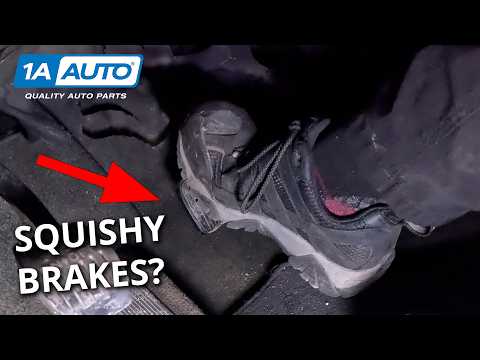
Imagine you are driving down a steep hill and need to slow down for a red light. You press the brake pedal, but instead of the usual firm resistance, the pedal feels soft—like you are stepping on a wet marshmallow. In some cases, the pedal might even sink nearly to the floor before you feel the car begin to decelerate. This spongy sensation is one of the most common and unnerving symptoms a driver can experience. While your first instinct might be to assume you need new brake pads, the reality is often more complex. This symptom usually points to air trapped within the hydraulic circuit, and resolving it requires a deep understanding of modern braking architecture.
Understanding the Hydraulic Challenge
The hydraulic brake system operates on a simple scientific principle: liquid is incompressible. When you press the brake pedal, you move a piston in the master cylinder that pushes fluid through the lines to the calipers. If air enters this system—whether through a leak, a recent component replacement, or fluid that has boiled due to overheating—it creates a major safety hazard.
Unlike brake fluid, air is highly compressible. Instead of the force of your foot moving the brake pads against the rotors, that energy is wasted squishing the air bubbles. To restore the safety and performance of your vehicle, we must perform a process called bleeding. However, on modern vehicles, this is no longer a simple two-person job.
Comparing Bleeding Methodologies
To understand why your pedal might stay soft even after a basic service, we must examine the three primary methodologies used in a professional shop environment. Each has specific implications for the safety of your hardware and the effectiveness of the air removal.
- Manual Bleeding: This is the traditional method where one person pumps the pedal while another opens the bleeder screw. While common, this poses a significant risk to the master cylinder. In older or high-mileage vehicles, the internal piston rarely travels its full length. Pumping the pedal to the floor can force the internal rubber seals over rough, corroded sections of the cylinder bore that they normally never touch. This can tear the seals, leading to a total master cylinder failure immediately following the service.
- Vacuum-Assisted Bleeding: This method uses a vacuum pump at the wheel end to pull fluid through the lines. While safer for the master cylinder seals, it is often prone to false bubbles. The vacuum can pull air past the threads of the bleeder screw, making it difficult for a technician to tell if the air is coming from inside the brake lines or just leaking in from the atmosphere.
- Pressure Bleeding: This is the professional standard for advanced systems. We attach a specialized pressurized tank to the master cylinder reservoir, pushing fresh fluid through the system from the top down. This methodology is the most effective at preventing air-locks and ensuring the entire circuit is purged without ever stressing the internal seals of the master cylinder.

The Necessity of the ABS Automated Sequence
Even with high-end pressure bleeding equipment, a spongy pedal often persists if the vehicle is equipped with an Anti-lock Braking System (ABS). Inside your ABS module is a Hydraulic Control Unit (HCU) containing a complex maze of tiny passages, check valves, and solenoids.
If air becomes trapped inside these internal HCU valves, traditional bleeding methods—whether manual, vacuum, or pressure—simply cannot reach it. The air remains locked in a dead end within the module. This is why we must perform an automated bleed sequence.
By connecting a diagnostic scan tool to your vehicle’s onboard computer, we command the ABS pump to run and the solenoids to cycle in a specific, high-frequency order. This electronic process opens the internal valves and shakes the trapped air out of the HCU and into the main brake lines, where it can finally be purged. Without this automated sequence, that air pocket remains a permanent spring in your hydraulic system, and your pedal will never feel truly firm.
Verifying the Repair
Once the hydraulic circuit has been purged and the ABS sequence completed, we verify the integrity of the system using three specific diagnostic steps to ensure your safety:
- Static Pressure Test: With the engine off, we pump the brakes to deplete the booster vacuum. The pedal must feel rock-hard and hold its height for at least 30 seconds. If it creeps toward the floor, there is an internal bypass in the master cylinder or a hidden leak.
- Mechanical Compliance Check: We check for spring-back. A firm pedal that feels slightly bouncy when pushed with extra force suggests residual air is still being compressed, indicating the need for a secondary ABS automated cycle.
- Functional Bite-Point Verification: During a controlled road test, we ensure the brakes engage at the same pedal height every time. A varying bite point indicates that air is still moving through the lines as the fluid heats up and expands.
If your brakes feel soft, it is a critical safety issue that requires more than a quick fix. When discussing the repair with your technician, ensure they are utilizing a pressure bleeder and have the diagnostic software necessary to perform a full ABS automated bleed. Modern braking systems are integrated electronic and hydraulic masterpieces; they require this level of technical precision to keep you safe on the road.
Written by Curtis Castiglione



No Comments Yet
Be the first to comment on this article.