Curtis.Castiglione@ROzebra.com
Engine & DrivetrainBrake SystemsSuspension & SteeringElectrical & Battery(Courses) Service Repair(Courses) Advanced Tire Knowledge(Courses) Vehicle Braking System(Courses) Service Advisor Proactive Maintenance & Retention(Courses) Service Management Excellence(Courses) Advanced Warranty Administration

Axle Seal Leak Diagnosis
Published on Aug 10, 2026
68 Views
Learning Outcomes
- Classify fluids to isolate specific vehicle systems.
- Locate the primary leak source by analyzing fluid migration patterns.
- Validate leak points through cleaning and operational testing.
Diagnostic Protocol for Axle Seals
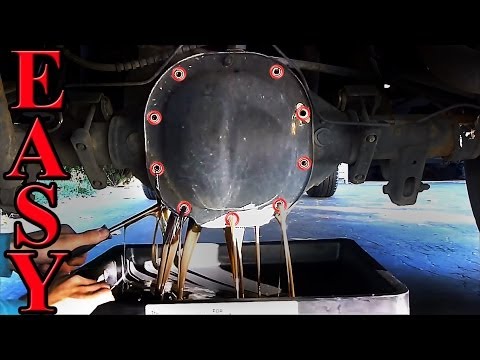
Fluid accumulation under a vehicle is deceptive. Wind and gravity pull lubricants away from the source during operation. Technicians must verify the leak origin before starting repairs. Misidentifying the source leads to unnecessary downtime and wasted parts. Accuracy is mandatory for a successful first-time fix.
- Determine Fluid Type: Analyze color and scent. Gear lubricant smells sulfurous. This isolates the axle assembly from engine or brake system leaks.
- Locate the Origin: Search for the highest wet point. Fluid travels down and back while driving. The lowest puddle is rarely the source.
- Degrease and Observe: Clean all suspected areas thoroughly. Run the vehicle under load. Inspect for the first sign of fresh moisture to confirm the seal failure.
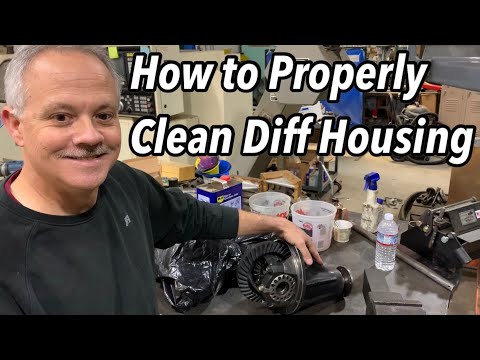
Pro-Tip: Check differential breather tubes for clogs; pressure buildup forces fluid past functional seals.



No Comments Yet
Be the first to comment on this article.