Curtis.Castiglione@ROzebra.com

Advanced Guide to Caterpillar Suspension Systems (2001–2026)
If you have spent a twelve-hour shift in the cab of a Cat 793 haul truck or a 980 wheel loader, you know that the suspension is the only thing standing between you and a very long, very painful day. When a Caterpillar suspension system starts to go south, it does not just feel like a small bump in the road. It feels like the entire machine is fighting you.
You might notice the truck bucking like a pogo stick after hitting a small dip, or perhaps you are feeling a jarring, bone-rattling thud every time the bucket hits the ground. Maybe the machine is leaning to one side when fully loaded, or you have spotted an oily mist coating those massive chrome suspension cylinders. In the world of heavy equipment, these are not just comfort issues—they are your machine's way of screaming that its primary defense mechanism is failing.
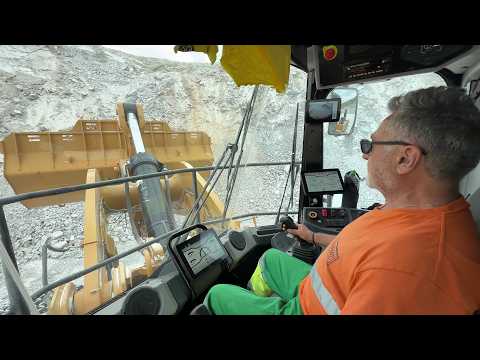
The Bucking Machine: Diagnosing the Loping Ride
The most common symptom operators report is an excessively bouncy ride, often called 'loping'. In a passenger car, this usually means worn-out shock absorbers. In a Caterpillar off-highway truck, it typically points to a loss of nitrogen charge in the suspension cylinders.
Over the last 25 years, Caterpillar has perfected the nitrogen-oil suspension. These massive cylinders use a combination of hydraulic oil and high-pressure nitrogen gas to manage loads that can exceed hundreds of tons.
- The Nitrogen: This acts as the spring or the cushion. It compresses under load to absorb the shock of a haul road.
- The Oil: This provides the damping or the control. It prevents the machine from bouncing repeatedly after a bump.
When nitrogen leaks out, the cylinder loses its elasticity. The machine effectively 'bottoms out' or oscillates uncontrollably because there is no gas cushion to absorb the energy. If you are feeling every pebble on the haul road, your nitrogen-to-oil ratio is likely out of spec.
The Lean: Spotting Seal Failures Before the Frame Cracks
If your truck looks like it is squatting on the front left corner, you are likely looking at a seal failure. While these cylinders are designed to support massive weights, they operate in abrasive environments filled with rock dust, mud, and debris.

If a wiper seal is compromised, hydraulic oil escapes, and the cylinder loses its ability to maintain ride height. This is a critical issue. An uneven suspension puts massive torsional stress on the machine's main frame. In my experience, ignoring a 'lean' can lead to structural frame cracking that costs hundreds of thousands of dollars to weld and repair. It is much cheaper to replace a seal than a chassis.
Material Spillage: Trouble with Loader Ride Control
For those operating wheel loaders like the Cat 950 or 966, the symptoms are often more subtle but equally frustrating for your production targets. You will notice that material is spilling out of the bucket more frequently during travel, or the machine feels sluggish and 'heavy' over uneven terrain.
Caterpillar's Ride Control system uses hydraulic accumulators to act as a shock absorber for the lift arms. If the nitrogen pre-charge in these accumulators is low, or if the solenoid valve responsible for engaging the system is sticking, the loader loses its ability to 'float'. This does not just spill dirt; it wears out your loader linkage pins prematurely due to the constant jarring.
Ghost Loads: When Suspension Goes Digital
In the latest generation of machines produced between 2016 and 2026, the suspension is no longer just a mechanical component—it is part of the machine's intelligence. It is tied directly into the Payload Management System.

If you are receiving erratic weight readings or 'overload' alarms even when the truck is half-empty, the culprit might actually be the suspension pressure sensors. These sensors translate the hydraulic pressure inside the cylinders into weight data. Contaminated oil or a failing sensor can trick the machine's computer, leading to inefficient hauling or the machine unnecessarily 'derating' its power to protect itself from a phantom overload.
Technician Checklist: What to Tell Your Mechanic
When you call in a heavy equipment technician, being specific can save hours of diagnostic time. Be ready to describe:
- Timing: Does the clunking occur only when the machine is empty, or only when under a full load?
- Visual Evidence: Do you see 'weeping' oil on the chrome rods or puddles near the wheels?
- Ride Quality: Is the ride 'harsh' (likely low nitrogen) or 'floating' (likely a damping issue)?
- Digital Alerts: Are you seeing any payload or pressure sensor fault codes on the display?
Ignoring suspension symptoms in a Caterpillar machine is a recipe for a mechanical disaster. These systems protect the most expensive parts of the equipment: the frame, the tires, and most importantly, the operator. If your machine is not sitting level or riding smooth, it is time to check the cylinder pressures and keep those targets on track.



No Comments Yet
Be the first to comment on this article.