Curtis.Castiglione@ROzebra.com

9 Reasons Your Car Won't Start With a Good Battery
You turn the key or press the start button, expecting the familiar roar of the engine, but instead, you get nothing. Maybe you hear a single, sharp metallic click. Perhaps the engine spins and spins but never actually fires up.
It is a frustrating spot to be in. You know the battery is fine because your headlights are piercingly bright and the radio comes on instantly, yet the car is going nowhere. As a technician, I hear this story every week. This scenario is actually a great diagnostic starting point because it tells us the heart of the electrical system is healthy. Now, we need to look at the muscles and the nerves.
When your battery is good but the car won't start, we generally divide the problem into two categories: No Crank and Crank but No Start. Understanding which one you are experiencing is the most important piece of information you can give your mechanic.
Scenario A: The No Crank (Silence or a Single Click)
In a No Crank situation, the engine does not move at all. You aren't hearing that rhythmic "ruh-ruh-ruh" sound; you are hearing a single noise or absolute silence.
1. Bad Starter Motor
If you hear a single loud click when you try to start the car, the starter is usually the primary suspect. Inside the starter is a solenoid that pushes a small gear into the engine's flywheel. That click is the gear moving, but if the motor itself has burnt out or the internal brushes are worn, it won't have the strength to spin the engine.

2. Faulty Starter Relay or Fuse
The starter relay acts as the high-current bridge between the battery and the starter. If the relay fails or a fuse blows, the electrical signal never reaches the starter motor. This is often an inexpensive fix.
3. Bad Ignition Switch
If you turn the key and get absolute silence, the problem might be the ignition switch. This component is the gatekeeper; if it fails, the start signal is lost before it can even leave the steering column. You might also notice your dashboard lights acting erratically.

4. Faulty Neutral Safety Switch
Modern automatic transmissions only allow the engine to start in Park or Neutral. If this sensor fails, the car thinks it is in Drive and will refuse to engage the starter to prevent the vehicle from lunging forward. Technician Tip: Try shifting the car into Neutral and turning the key; if it starts, the safety switch is the culprit.
5. Wiring or Ground Problems
Corroded battery cables or a loose engine ground wire can interrupt the flow of electricity. Even if the battery is perfect, a loose connection acts like a kinked hose, preventing the current from reaching the starter.
Scenario B: The Crank but No Start (The Engine Spins)
This is when the engine makes its normal starting sound but fails to catch or fire up. Since the engine is turning over, we know the battery and starter are working. The issue here is usually fuel, spark, or timing.
6. Fuel Pump Failure
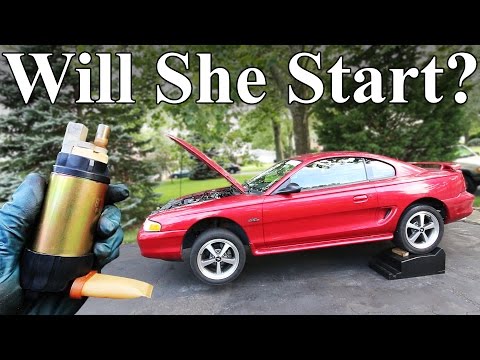
If the engine isn't getting gas, it won't fire. You can often diagnose this yourself: turn the key to the On position without starting the car. Listen closely for a faint, two-second hum from the rear of the vehicle. If you hear nothing, your fuel pump likely isn't sending gas to the engine.
7. Bad Crankshaft Position Sensor
This tiny sensor tells the engine’s computer exactly where the pistons are so it knows when to fire the spark plugs. If this sensor fails, the computer becomes blind and will not allow the engine to start because it cannot coordinate the ignition timing.
8. Engine Timing Problems
If the engine sounds like it is spinning much faster or lighter than usual while cranking, the timing belt may have snapped. This is a serious mechanical failure that requires immediate professional attention to avoid destroying internal engine valves.
9. Faulty Key Fob or Immobilizer
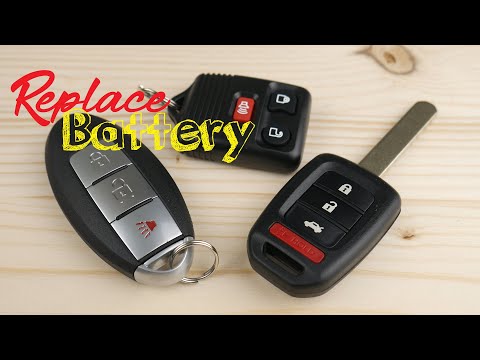
Before assuming you have a mechanical disaster, check your dashboard for a security or key icon. Many modern cars will disable the starting system if they do not recognize the digital signature of your key fob. Sometimes, a dead battery in your key fob—a five-dollar fix—can mimic a major mechanical failure.
Repair Cost Expectations
Repair costs vary depending on the specific component that failed. Here is a general range of what you might expect:
- Starter Relay: $20 – $150
- Ignition Switch: $200 – $600
- Starter Motor: $350 – $900
- Fuel Pump: $700 – $1,600
- Crankshaft Sensor: $200 – $500
- Timing Belt Replacement: $800 – $2,000+
Final Advice from the Shop
My best advice is to avoid re-starting the car to death. If it doesn't fire up after three or four attempts, stop. Continuous cranking can overheat your starter motor and drain even a healthy battery.
When you call your mechanic, be specific. Tell them whether the engine is "not turning over at all" or "spinning but not firing." This distinction helps us narrow down whether we are looking for a failed electrical motor or a complex fuel and sensor issue, saving you time and diagnostic fees.



No Comments Yet
Be the first to comment on this article.