Curtis.Castiglione@ROzebra.com

2022 Audi e-tron GT Side Impact Insurance and Repair Guide
If you have been involved in a side-impact collision in a 2022 Audi e-tron GT, you may be surprised to find that the repair process—and the resulting insurance claim—is significantly more complex than it would be for a standard gasoline-powered sedan.
The e-tron GT is a high-performance electric vehicle (EV) that utilizes an aluminum-intensive structure and a massive high-voltage battery integrated into the floor. Because of this specialized construction, an insurance estimate based on "standard" repair assumptions will almost certainly be inaccurate. To restore the vehicle’s safety and value, the claim must account for manufacturer-specific procedures that govern everything from metal work to electrical diagnostics.
Why Aluminum Construction Changes the Insurance Estimate
Most vehicles on the road are constructed primarily of various grades of steel. Steel is malleable and often has a "memory," allowing technicians to pull or straighten certain components. Aluminum, however, behaves very differently under the stress of an impact.
- Cracking vs. Bending: Unlike steel, aluminum tends to crack or tear rather than bend. If a structural component like a rocker panel or a "B-pillar" is deformed, Audi’s repair manual often prohibits traditional straightening.
- Specialized Joining Methods: You won't see many traditional spot welds on an e-tron GT. Instead, Audi uses structural adhesives (bonding) and specialized rivets. These require specific tools and significantly more labor time than steel welding.
- Galvanic Corrosion Risks: Aluminum cannot be repaired in the same area as steel. If steel dust (from a nearby repair) lands on bare aluminum, it causes a chemical reaction called galvanic corrosion. A qualified shop must have a dedicated aluminum "clean room" and a separate set of tools.
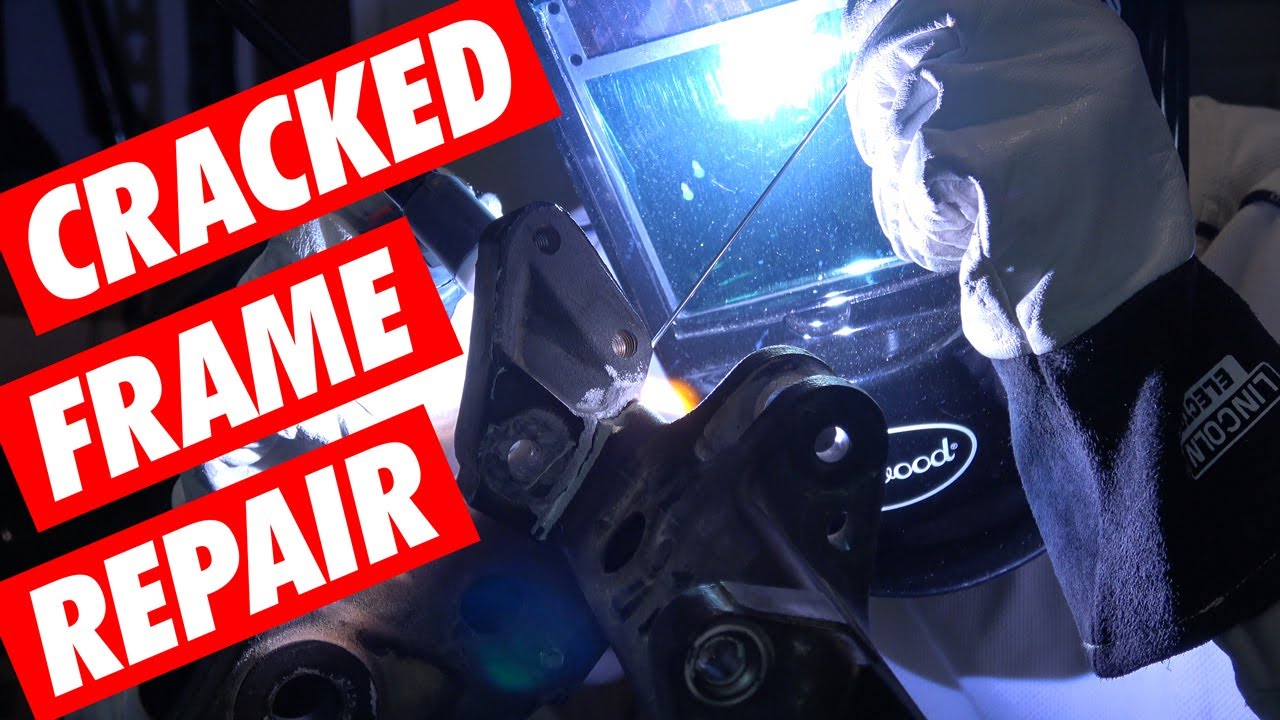
If your insurance adjuster writes an initial estimate based on "Body Labor" rates for steel, the shop will likely submit a supplement to reflect the higher-skilled "Aluminum Labor" rates required for this vehicle.
The Critical Step: Battery Enclosure Inspection
In a side-impact collision, the point of impact is usually the door or the rocker panel (the area below the doors). In the e-tron GT, the high-voltage battery sits directly behind these structures. Even if the impact seems minor, the energy can transfer through the outer bodywork into the battery housing.
The Inspection Process
A proper insurance claim for an e-tron GT must include a line item for a High-Voltage System Inspection. This is not a simple visual check; it involves:
- De-energizing the Vehicle: A qualified technician must "power down" the high-voltage system to ensure the vehicle is safe to work on.
- Diagnostic Scans: Using Audi-specific software to check for internal battery faults or sensor errors caused by the impact.
- Physical Measurements: Checking the battery enclosure for even slight deformations. If the housing is compromised, it may require replacement to prevent the risk of a thermal event or long-term electrical failure.

Why Did My Estimate Increase? (The Teardown and Supplement)
It is common for an e-tron GT owner to receive an initial insurance estimate for $4,000, only for the final bill to exceed $15,000. This happens during the teardown and discovery phase.
Once the repair shop removes the outer door skins and trim, they can see the underlying reinforcements and joining points. If a structural "blind" rivet is popped or an internal reinforcement is cracked, it must be documented with photos and matched against the Audi Workshop Manual.
The insurance company is responsible for returning the vehicle to its pre-loss condition, but they can only pay for what is documented. The shop must provide the "why" behind every repair operation, linking it directly to the manufacturer's required safety procedures.

Calibration and ADAS Requirements
The 2022 Audi e-tron GT is packed with Advanced Driver Assistance Systems (ADAS). A side impact often disturbs:
- Blind-spot radar units: Located behind the rear bumper or in side structures.
- Side-view camera systems: Located in the mirrors or fenders.
- Lane-departure sensors: Often integrated into the vehicle's "surround view" logic.
Even if these parts are not physically broken, the act of removing a door or performing structural pulls requires these systems to be recalibrated. If your insurance claim does not include "Post-Repair Calibration," your safety features like Lane Change Assist may not function correctly—or at all—when the vehicle is returned to you.

Choosing the Right Repair Facility
Not every collision center is equipped to handle an e-tron GT. When selecting a facility, ask the following questions:
- Are you Audi Authorized? Do you have access to the Audi "Odis" diagnostic system and the specific repair manuals for the e-tron GT?
- Do you have a dedicated aluminum repair station? Do you use separate tools to prevent cross-contamination?
- Are your technicians certified for High-Voltage (HV) systems? Handling the battery requires specialized safety training.
Final Thoughts for the Vehicle Owner
While insurance policies and state laws vary, you generally have the right to choose a repair facility that follows the manufacturer’s recommended procedures. To ensure a smooth claim process, keep the following in mind:
- Review your policy: Check for "OEM Parts" riders or limitations on labor rates for specialized materials like aluminum.
- Demand a "Pre-Scan" and "Post-Scan": Ensure the vehicle’s computers are checked for hidden codes before and after the repair.
- Be Patient: Aluminum repair and battery diagnostics are time-consuming. These claims often take longer to process due to the precision required.
By ensuring the shop documents every step of the Audi-mandated repair process, you protect both the safety of your passengers and the long-term resale value of your vehicle.
Written by Curtis Castiglione This article is for informational purposes. Insurance coverage is subject to the terms and conditions of your specific policy. Always consult with your insurance carrier and a qualified collision professional regarding your specific claim.



No Comments Yet
Be the first to comment on this article.