Curtis.Castiglione@ROzebra.com
2020 Nissan Sentra Rear-Corner Collision Repair Guide
If you have been involved in a rear-corner collision in a 2020 Nissan Sentra, your first thought might be that it is just a bumper and a taillight. However, once you peel back the plastic bumper cover, the reality of modern automotive engineering often reveals a much more complex and expensive repair scenario.
On a 2020 Sentra, a minor corner impact involves more than just cosmetics. It involves structural welding, precision alignment, and the recalibration of sensitive safety electronics. Understanding the relationship between the physical damage and the insurance claim process is vital to ensuring your car is returned to factory safety standards.
Why the Rear Quarter Panel is Different from a Front Fender
One of the most common misconceptions in collision repair is that all body panels are created equal. On the front of your Sentra, the fenders are bolt-on parts. If one is dented, a technician simply unbolts it and replaces it with a new one.
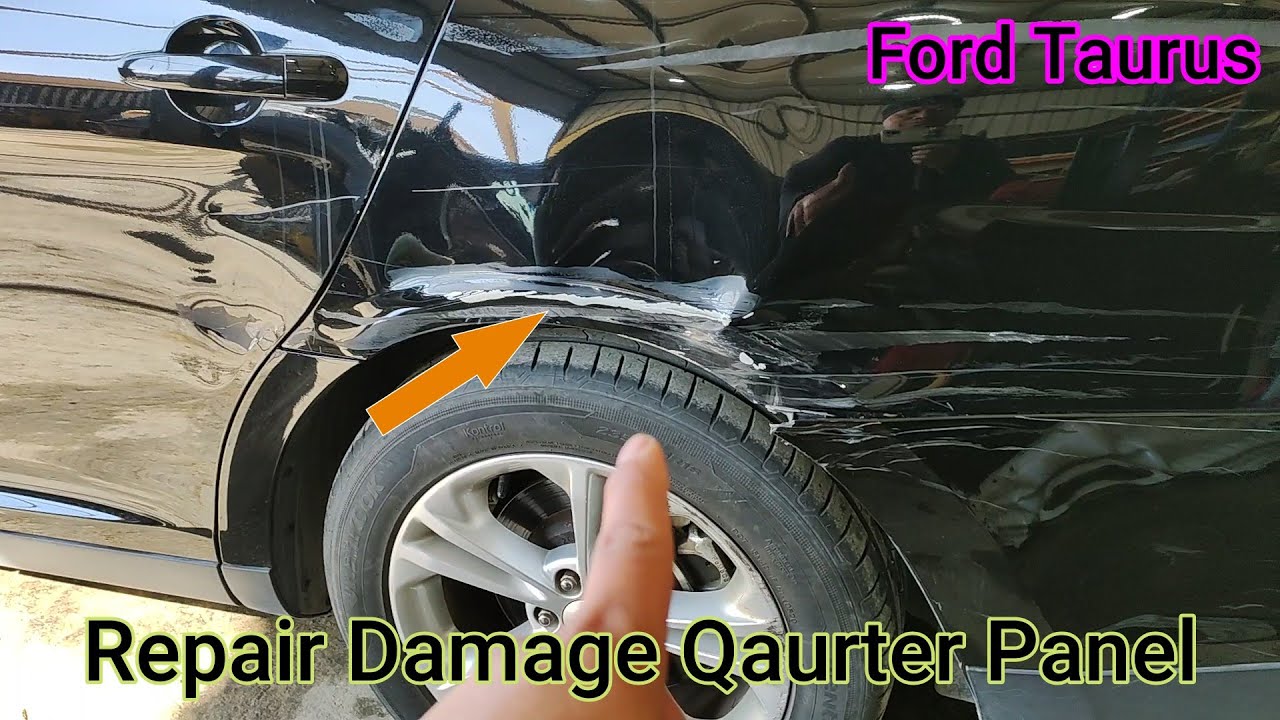
The rear quarter panel is entirely different. It is a structural part of the vehicle unibody, meaning it is permanently welded to the roof, the door pillars, and the rear body panel.
- Repair vs. Replacement: If the damage is moderate, a technician may be able to repair the metal. However, if the impact has kinked the metal or compromised the high-strength steel, the panel must be replaced.
- The Labor Factor: Replacing a quarter panel involves drilling out hundreds of factory spot welds, cutting the metal in specific locations (known as sectioning), and welding a new panel into place.
- Manufacturer Guidelines: Nissan issues specific Position Statements that tell repairers exactly where they can and cannot cut the metal. Using the wrong heat or welding technique can compromise the structural integrity of the car in a future accident.
The Hidden Danger: Trunk Opening and Structural Alignment
Even if your trunk lid still opens and closes, a corner impact can shift the bones of the vehicle. The rear body opening must be perfectly square for the vehicle to remain weather-tight.
The Water Leak Problem
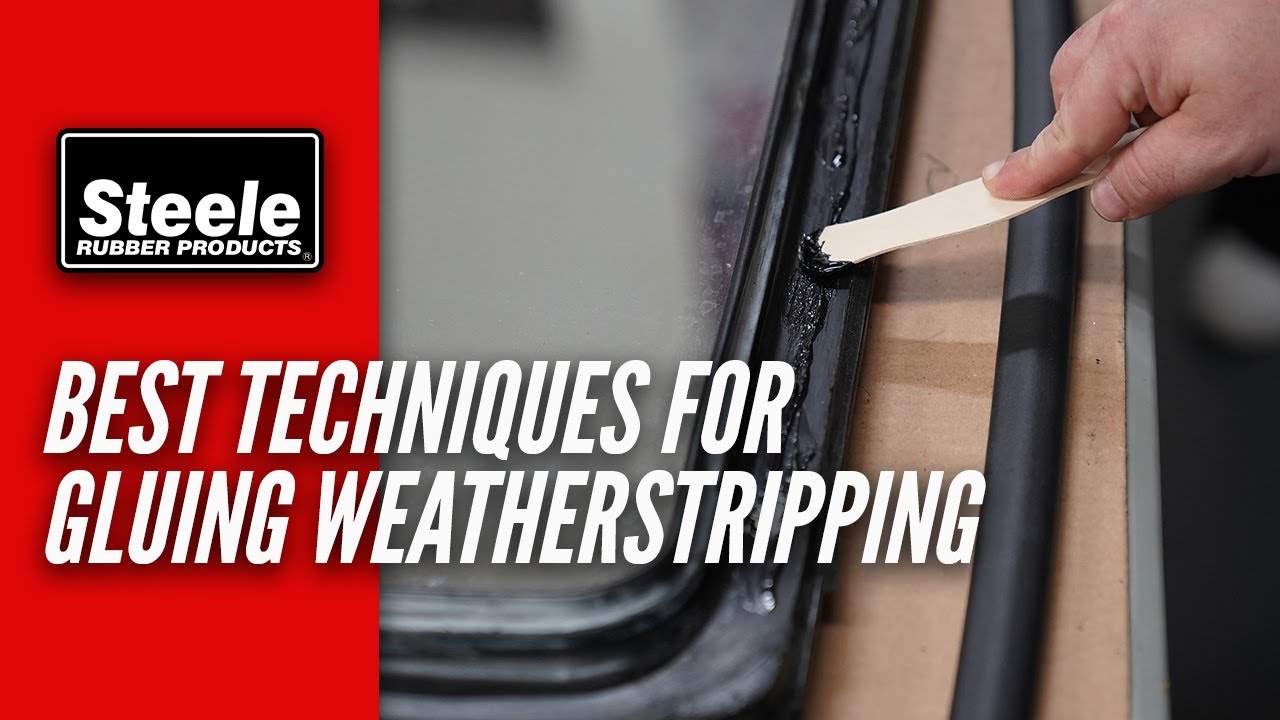
A common post-accident complaint is a wet trunk or a moldy smell. This usually happens because the pinch weld—the metal ridge where the rubber weatherstripping sits—was slightly distorted during the crash. Even a 2-millimeter shift can prevent the seal from meeting the trunk lid, allowing rainwater to seep into the spare tire well.
Frame Labor on the Estimate
When reviewing your insurance estimate, look for line items like Set up and Measure or Frame Labor. These are not extra charges; they are essential. The shop uses a computerized measuring system to ensure the quarter panel and trunk floor are in their factory-specified locations before they begin the final repairs.

Blind-Spot Sensors and ADAS Calibration
The 2020 Nissan Sentra features advanced safety technology, specifically Blind Spot Warning (BSW) and Rear Cross Traffic Alert (RCTA). These systems rely on radar sensors hidden behind the rear bumper corners.
- Impact Damage: These sensors are sensitive. A jolt can crack the sensor housing or bend the mounting bracket.
- The Invisible Misalignment: Even if the sensor is not broken, if the metal bracket it sits on is bent by just one or two degrees, the radar will point at the wrong lane. This leads to ghost warnings or, more dangerously, a failure to detect a car in your blind spot.
- Calibration is Mandatory: Nissan requires a Post-Repair Calibration if the sensors are removed or the underlying structure is repaired. This involves using specialized targets and software to aim the sensors. If your insurance estimate does not include a diagnostic scan or calibration, the repair is incomplete.

Why Did My Estimate Change? Understanding the Supplement
It is common for a vehicle owner to receive an initial insurance estimate for 1,500 dollars, only for the shop to call a few days later saying the total is now 4,000 dollars. This is not necessarily a sign of a dishonest shop; it is the supplement process.
- The Initial Inspection: An insurance adjuster often writes an estimate based on what they can see without taking the car apart.
- The Teardown: Once you authorize repairs, the shop performs a teardown, removing the bumper and interior trunk liners.
- The Discovery: This is when they find the buckled trunk floor, the cracked sensor bracket, or the hidden buckles in the quarter panel.
- The Supplement: The shop submits photos and documentation of this hidden damage to the insurance company for approval.
Parts Selection: OEM vs. Aftermarket
Your insurance policy is a contract, and many policies allow the use of Aftermarket (non-Nissan) or Like Kind and Quality (Used) parts to keep costs down.
While aftermarket parts are common for cosmetic items like bumper covers, many experts recommend Original Equipment Manufacturer (OEM) parts for structural components and electronic sensors. If your policy only covers aftermarket parts, you can often choose to pay the price difference out of pocket to ensure Nissan-genuine parts are used on your Sentra.
Summary Checklist for the Vehicle Owner
Before you authorize the final repairs on your 2020 Nissan Sentra, ask your estimator these four questions:
- Did you perform a pre-repair diagnostic scan to check the blind-spot sensors?
- Is there any damage to the trunk floor or the pinch welds that could cause water leaks?
- Will the blind-spot monitoring system require a recalibration after the bodywork is done?
- Are you following the position statements from Nissan regarding the high-strength steel in the quarter panel?
By understanding the technical needs of your vehicle, you can move past the visual damage and ensure your Sentra is truly restored to its pre-accident safety and value. For specific questions about your coverage, always consult your insurance policy or agent.



No Comments Yet
Be the first to comment on this article.