Curtis.Castiglione@ROzebra.com

2019 Toyota Tundra Front-End Collision Repair Costs
Written by Curtis Castiglione
If you own a 2019 Toyota Tundra and have recently been in a front-end collision, you might be surprised by the first number you hear from your insurance company. You see a cracked plastic grille and a slightly misaligned hood; they see a minor cosmetic repair. However, once the truck arrives at a professional collision center, that 1,500 dollar estimate often balloons into a 5,000 dollar or 8,000 dollar repair bill.
This discrepancy is not necessarily a sign of a dishonest shop or an incompetent adjuster. Rather, it is a reflection of how modern full-size trucks are engineered. What looks like a simple plastic facade is actually a complex housing for cooling systems, structural supports, and advanced safety technology.
Understanding the relationship between visible damage and hidden mechanical reality is the key to navigating your insurance claim.
The Reality of Hidden Structural Damage
The grille on a 2019 Tundra is more than a decorative piece of trim; it serves as the primary intake for the cooling system and a mounting surface for several critical components.

The Radiator Support
Directly behind the grille sits the radiator support. In a front-end impact, the plastic grille often flexes inward, strikes the radiator support, and then pops back into its original shape. While the plastic might only show a small crack, the metal or composite support behind it may be bent or shifted.
If the radiator support is moved even a fraction of an inch, several problems occur:
- Cooling Interference: The radiator, A/C condenser, and cooling fans may be pushed into each other, leading to leaks or fan blade failure.
- Alignment Issues: New parts, such as a new grille or headlights, will not bolt up correctly because the foundation they sit on is distorted.
- Hood Latch Integrity: The hood latch is mounted to this support. If the support is shifted, the latch may not properly engage or release, creating a massive safety risk where the hood could fly open while driving.
Insurance adjusters often write estimates based on visible damage only. It is only during the teardown or disassembly phase at the shop that these structural shifts are discovered.
Technology and the Cost of "Seeing" the Road
One of the most significant drivers of repair costs in a 2019 Toyota Tundra is the Toyota Safety Sense (TSS) system. The radar sensor for the Pre-Collision System is often located directly behind the Toyota emblem in the front grille.
Even a low-speed fender bender that barely marks the bumper can jar this sensor.
- Calibration: If the sensor or its mounting bracket is disturbed, the system must be recalibrated. This requires specialized diagnostic software and a controlled environment to ensure the truck can accurately detect obstacles.
- Scanning: A professional repair must include a pre-repair scan to find hidden fault codes and a post-repair scan to ensure all safety systems are active.
- Replacement: If the radar sensor itself is damaged, the part cost alone can add significantly to the estimate.
If your insurance estimate does not include Diagnostic Scanning or ADAS Calibration, the estimate is incomplete and the vehicle may not be safe to drive.
Why Estimates Change: The Supplement Process
It is a common misconception that the first check you receive from an insurance company is the final word. In the collision industry, professionals use a process called the Supplement.
- Initial Estimate: Based on what can be seen without taking the truck apart.
- Teardown: The shop removes the bumper, grille, and trim.
- Supplement Request: The shop documents hidden damage, such as broken plastic tabs, bent brackets, or a leaking condenser, and submits photos to the insurance company.
- Approval: The insurance company reviews the supplement and issues an additional payment to cover the real cost of the repair.
As long as the damage is related to the accident, insurance policies generally cover these supplements.
Parts: OEM vs. Aftermarket
Your insurance policy is a contract, and many policies contain a provision allowing the use of Like Kind and Quality (LKQ) or aftermarket parts.
- The Conflict: While an aftermarket plastic bracket might be fine, many experts and manufacturers recommend Original Equipment Manufacturer (OEM) parts for structural components and sensors to ensure the ADAS systems function as designed.
- The Price Spread: If you insist on OEM parts but your policy only pays for aftermarket, you may be responsible for the difference in cost. This is a conversation you should have with your shop and your insurance adjuster early in the process.
Practical Steps for Tundra Owners
If you are researching repairs for your Tundra, keep these steps in mind:
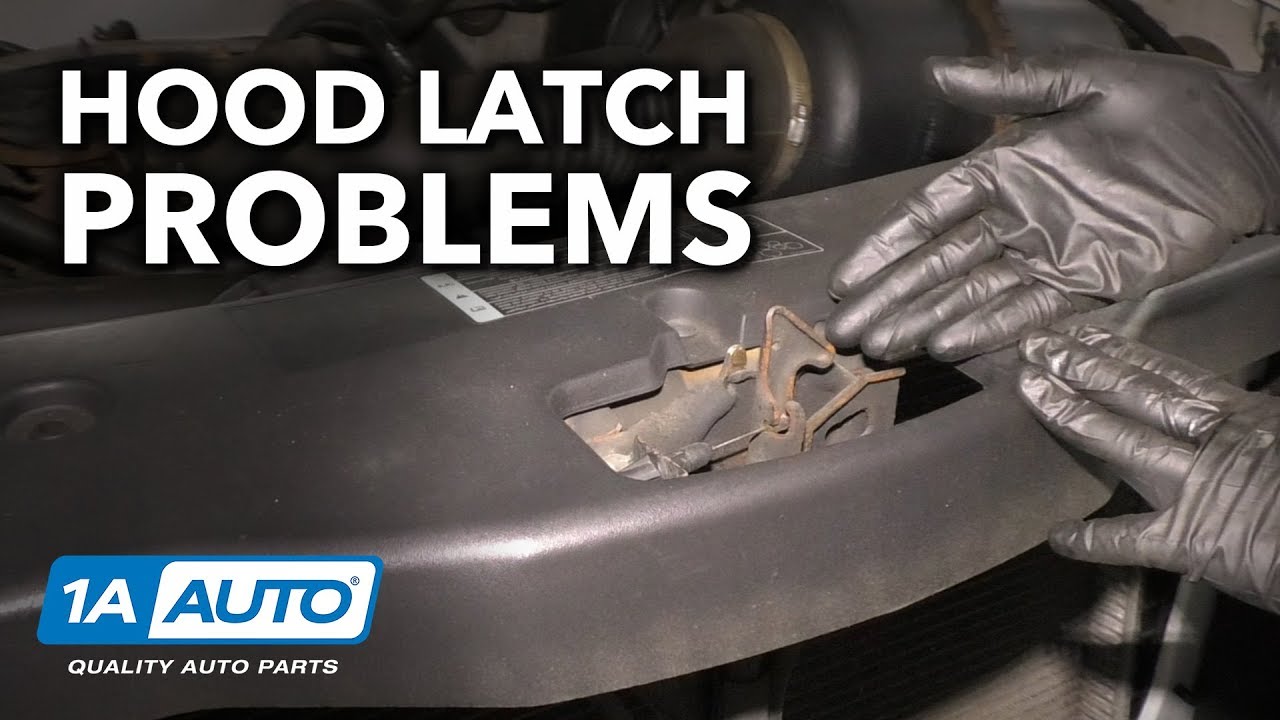
- Do Not Ignore the Latch: If your hood is difficult to open or close after a hit, do not drive the vehicle at highway speeds. The secondary latch may be the only thing keeping the hood down.
- Ask for the Scan Report: Ensure your shop provides a printout of the vehicle computer health check before and after the repair.
- Check Your Rental Coverage: Because Tundra parts, like the TSS sensor or specialized grille shutters, can sometimes be backordered, and calibration takes extra time, your truck might be in the shop longer than a basic sedan. Verify how many days of rental coverage you have.
- Review the Teardown Photos: A reputable shop will be happy to show you photos of the hidden damage discovered behind the grille. This documentation is your best tool for understanding why the final cost is higher than the initial guess.
The Bottom Line: A 2019 Toyota Tundra is a sophisticated machine. A simple front-end collision involves structural alignment, cooling system integrity, and high-tech safety calibration. While the rising estimate can be frustrating, it is usually a sign that your repair facility is performing the due diligence required to return your truck to its pre-accident safety standards.



No Comments Yet
Be the first to comment on this article.