Curtis.Castiglione@ROzebra.com
2019 Chevrolet Traverse Collision Repair: Why Estimates Increase After Teardown
If you own a 2019 Chevrolet Traverse and have recently been involved in a front-corner collision, you might be surprised by the initial estimate you received from your insurance company. On the surface, the damage might look like a simple dented fender and a scratched bumper. However, it is almost a guarantee that once a qualified technician begins the teardown process, the cost of repairs will rise.
Understanding why this happens can help you navigate the insurance claim process and ensure your vehicle is returned to its pre-accident safety standards.
The Visual Estimate vs. The Blueprint
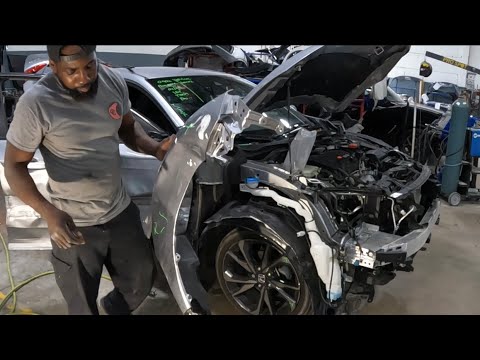
Most initial insurance estimates are written using a visual-only approach. An adjuster or a shop estimator looks at the vehicle while it is still fully assembled. For a Chevrolet Traverse, this preliminary estimate typically only includes the parts they can see, such as the bumper cover, a headlamp, and the outer fender.
Professional repair facilities prefer a process called blueprinting. This involves a complete teardown where the damaged outer panels are removed to reveal the structure underneath. Only after the teardown can a shop identify the hidden damage that creates the need for a supplement—a secondary bill sent to the insurance company to cover the additional parts and labor required to finish the job.
Why Front-Corner Damage is Rarely Just a Fender
The 2019 Traverse is a modern unibody vehicle designed with complex crumple zones. These areas are engineered to sacrifice themselves to protect the passengers, meaning even a low-speed impact can cause damage deep within the vehicle structure.
1. The Headlamp Mounting System
A common discovery during a Traverse teardown is broken headlamp tabs. Even if the headlamp still illuminates, the plastic brackets that secure it to the vehicle are often the first things to snap.
- The Problem: You cannot safely glue these tabs back on. If the mounting points are broken, the lamp will vibrate while driving and will not align with the hood.
- The Cost: This often necessitates a full headlamp assembly replacement and potentially the replacement of the radiator support or mounting brackets that hold the lamp in place.

2. Inner Fender Flanges and Wheel Wells
The exterior fender is bolted to an inner mounting flange. When the fender is pushed in, it often bends this flange.
- Hidden Labor: If a technician simply bolts a new fender onto a bent flange, the gaps between the door and the fender will be uneven. The hidden cost here is the labor time required to pull and square the inner structure before the new parts can be installed.
- Wiring and Liners: Behind the wheel-well liner sits the wiring for fog lights, side markers, and parking sensors. If the liner is crushed, these wires can be pinched or exposed to moisture, leading to electrical issues down the road.
3. Suspension Geometry and the Diagnostic Alignment
If the impact involved the wheel or tire, there is a high probability of mechanical damage. Components like the strut, steering knuckle, or control arm are designed to be rigid, but they can bend slightly under the weight of a 4,300-pound SUV.
- The Diagnostic Tool: A four-wheel alignment is more than a maintenance item; in a collision shop, it is a diagnostic tool. If the Traverse cannot be brought back to the manufacturer’s specifications for camber, caster, or toe, it is definitive proof that a mechanical component is bent and must be replaced.

The Role of Technology: ADAS and Calibrations
Modern Traverses are often equipped with Advanced Driver Assistance Systems (ADAS). This includes parking sensors in the bumper and cameras that assist with lane-keeping.
- Calibration Requirements: Chevrolet often specifies that if a bumper is removed or if a wheel alignment is performed, the ADAS sensors must be recalibrated.
- Specialized Labor: This requires specific software and targets. These hidden labor operations are rarely on the first estimate because the adjuster does not know if the sensors are affected until the repair is underway.
Navigating the Parts Conflict: OEM vs. Aftermarket
The increase in your estimate might also be tied to parts selection.
- Insurance Policies: Many policies allow the insurance company to pay for Like Kind and Quality (LKQ) parts, which are used or recycled, or Aftermarket parts made by a third party.
- The Gap: If your repair shop insists on Original Equipment Manufacturer (OEM) parts for a better fit on your Traverse, but your policy only covers aftermarket, there may be a price difference. It is important to review your policy to see if you are responsible for this markup or if your policy has an OEM-parts endorsement.
Practical Steps for the Vehicle Owner
If your 2019 Chevrolet Traverse is in the shop and the estimate just went up, do not panic. This is a standard part of a high-quality repair. To protect yourself:
- Request Photos: Ask the shop for teardown photos that show the damage uncovered once the bumper and fender were removed.
- Ask for a Supplement Copy: You are entitled to see exactly what the insurance company approved in the additional estimate.
- Check for an Alignment Sublet: If the wheel was hit, ensure the shop performed a four-wheel alignment and kept the before and after printout.
- Review Your Policy: Understand your deductible and how your specific insurance carrier handles hidden damage and mechanical repairs.
A front-corner collision on a 2019 Traverse involves a complex intersection of bodywork, mechanical suspension, and electronic sensors. A growing estimate is usually a sign that your repair facility is performing a thorough inspection rather than simply slapping on a new bumper.
Disclaimer: Insurance coverage and repair regulations vary by state and individual policy. Always consult with your insurance representative and a certified collision professional regarding your specific claim.



No Comments Yet
Be the first to comment on this article.