Curtis.Castiglione@ROzebra.com

2019 Chevrolet Blazer Side-Impact Repair and Insurance Guide
If you own a 2019 Chevrolet Blazer and have recently been involved in a side-impact collision, you may be experiencing a common form of 'sticker shock.' What looked like a simple dented door and a scuffed plastic trim piece on the initial insurance estimate of 3,000 dollars can quickly balloon into an 8,000 dollar or 10,000 dollar repair bill once the vehicle is at the body shop.
This discrepancy isn’t necessarily a sign of a 'bad' insurance company or a 'dishonest' repair shop. Rather, it is a reflection of the complex engineering inside modern SUVs. The 2019 Blazer is built with a sophisticated safety cell, high-strength steels, and electronic restraint systems that require specific, non-negotiable repair procedures to ensure the vehicle remains safe in a future accident.

Why Did My Estimate Change? Understanding the Supplement Process
The most important thing to understand about collision repair is that the initial insurance estimate is almost never the final bill. Insurance adjusters typically write a 'visual-only' estimate. They document what they can see without taking the car apart. However, the real damage to a Blazer occurs beneath the 'skin' or the outer sheet metal.
- The Teardown: Once you authorize a shop to begin work, they perform a 'teardown,' removing door panels, interior trim, and moldings.
- The Supplement: When hidden damage is found, the shop submits a 'supplement' to the insurance company. This is a request for additional funds to cover the parts and labor operations discovered during the teardown. This is a standard part of the automotive repair process.
Hidden Structural Damage: Doors and Rockers
On a 2019 Blazer, the side of the vehicle is designed to manage immense energy. Even if your door still opens and closes, the structural integrity may be compromised.
1. Door Intrusion Beams Inside your Blazer’s doors are high-strength steel reinforcement beams. These are 'one-hit' components. Their job is to absorb the energy of a T-bone collision. If that beam is even slightly bent or fatigued, the door can no longer protect you in a secondary accident. Because these beams are welded inside the door shell, a bent beam usually requires the replacement of the entire door shell.
2. The Rocker Panel and B-Pillar The rocker panel is the structural area below the doors, and the B-pillar is the vertical post between the front and rear seats. Modern Blazers use Ultra-High-Strength Steel (UHSS) in these areas.
- The Challenge: Unlike older vehicles, UHSS cannot be heated or pulled back into shape without losing its strength.
- The Repair: If the rocker is crushed, it often requires a sectioning procedure or full replacement according to General Motors (GM) specifications. This involves specialized frame equipment and precise electronic measuring to ensure the vehicle’s geometry is still square.
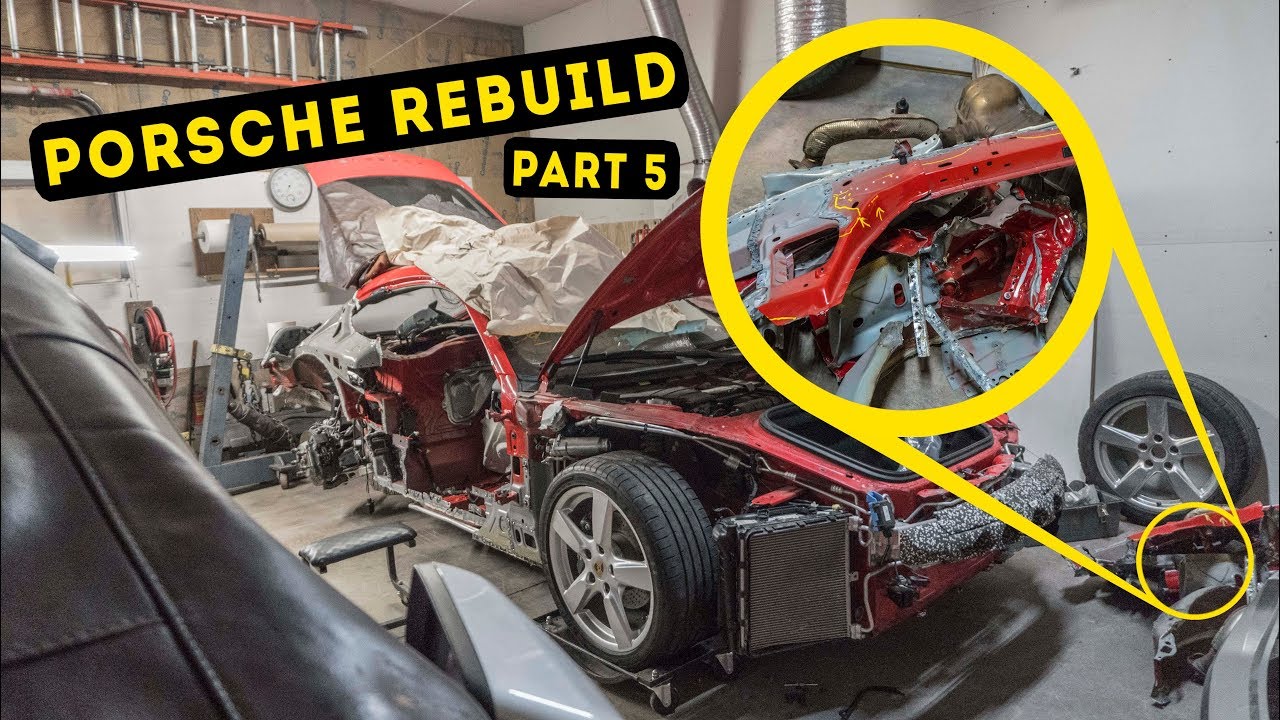
The Invisible Repair: Restraint System Diagnostics
A frequent point of confusion for owners is why an estimate includes hundreds of dollars for 'scans' and 'diagnostics,' especially if the airbags did not deploy. In a side impact, the Blazer’s Restraint Control Module (RCM) and impact sensors monitor the force of the hit. Even in a low-speed collision, the system may record a 'near-deployment' event.
- Pre-Repair Scan: This identifies fault codes hidden in the computer system that may not trigger a dashboard light immediately.
- Post-Repair Scan: This verifies that every sensor—including seat belt pretensioners and side-impact sensors—is communicating correctly before you get back on the road.
- Mandatory Replacements: Per manufacturer guidelines, certain components like impact sensors or wiring harnesses may require mandatory replacement if they were anywhere near the 'crush zone,' regardless of whether they look broken.

Parts Selection: OEM vs. Aftermarket
You may find a disagreement between your insurance company and the repair facility regarding parts.
- Insurance View: Many policies allow for 'Like Kind and Quality' (LKQ) recycled parts or aftermarket parts to save costs.
- Repairer View: For structural components like door shells or B-pillars, many manufacturers (including GM) issue 'Position Statements' advising against the use of anything other than New Original Equipment Manufacturer (OEM) parts. This is because the fit, finish, and metal strength of an aftermarket part may not match the original safety design of the Blazer.
Practical Steps for Vehicle Owners
If you are navigating a side-impact claim for your Blazer, follow these steps to ensure a safe and complete repair:
- Request a Diagnostic Report: Ask the shop for the 'Health Check' or scan report from both the beginning and the end of the repair.
- Review the Supplement: Ask the shop to explain exactly what was found during the teardown that was not on the original insurance estimate.
- Check for an Alignment: If the impact was near a wheel or the rocker panel, a four-wheel alignment is necessary to ensure the suspension was not moved out of spec.
- Consult Your Policy: Review your insurance policy or talk to your agent about 'OEM Parts Coverage.' If your policy does not require the insurer to pay for new factory parts, you may have to pay the difference if you insist on them.
- Do Not Ignore Warning Lights: Never accept a vehicle back if the airbag or 'SRS' light is on. The safety systems are likely disabled until that light is cleared through proper repair and calibration.
A 2019 Chevrolet Blazer is a highly engineered machine. While the rising cost of a repair estimate can be frustrating, those costs represent the technical labor and high-quality parts required to ensure that the vehicle protects you the same way in the next accident as it did in this one. A vehicle is not truly 'repaired' until its structural and safety systems have been fully verified.



No Comments Yet
Be the first to comment on this article.