Curtis.Castiglione@ROzebra.com
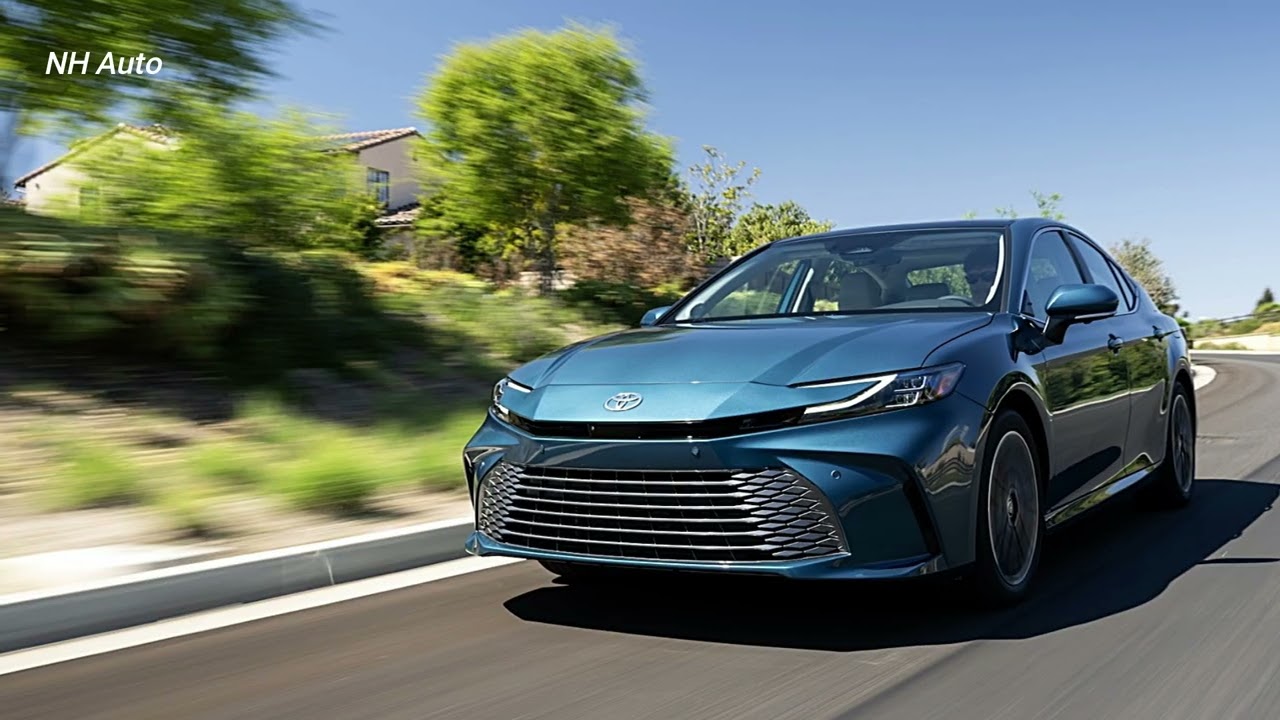
2018 Toyota Camry Hybrid Rear Collision Repair Guide
By Curtis Castiglione
If you own a 2018 Toyota Camry Hybrid and have been involved in a rear-end collision, you might initially feel relieved if the damage looks like a simple "fender bender." On the surface, the plastic bumper might only show a few scuffs or a small crack. However, beneath that plastic skin lies a complex network of high-voltage wiring, sensitive safety sensors, and specialized structural steel.
In the modern collision industry, a rear-impact repair on a hybrid vehicle is a technical operation that requires more than just a fresh coat of paint. Understanding the relationship between the physical damage, the required repair procedures, and your insurance claim is vital to ensuring your vehicle is returned to a safe, roadworthy condition.
Why Estimates Change After the Bumper is Removed
It is common for an initial insurance estimate—often written in a driveway or via photos—to be significantly lower than the final repair bill. This is because modern bumpers are made of polyolefin plastic designed to "pop" back into shape after a low-speed impact. While the bumper looks fine, the metal structures behind it are designed to deform to protect the occupants.
Once a technician performs a teardown (removing the bumper cover, tail lamps, and interior trunk trim), hidden damage often emerges:
- The Rear Body Panel: This is the vertical metal sheet behind the bumper. If it is pushed in even half an inch, it can affect the latching of the trunk and the seal against moisture.
- The Trunk Floor: In a 2018 Camry Hybrid, the spare-tire well and trunk floor act as "crush zones." Buckled metal here indicates a significant energy transfer that requires structural repair to maintain the vehicle's integrity in a future accident.
- The Supplement Process: When these hidden items are found, the shop submits a "supplement" to the insurance company. This is an additional claim for the parts and labor hours required to fix damage that was not visible during the first inspection.

Insurance Coverage and Hybrid System Inspections
Most insurance policies are written to cover the cost of returning your vehicle to its "pre-loss condition." For a 2018 Camry Hybrid, that condition includes a fully functioning high-voltage electrical system.
Because the hybrid battery and heavy-gauge orange high-voltage cables are located near the rear of the vehicle, Toyota mandates specific inspections following an impact.
- Diagnostic Scanning: A shop should perform a "Pre-Repair Scan" to identify hidden fault codes in the Hybrid Control Module. Even if there is no warning light on the dash, the system may have recorded an impact event or a cooling system malfunction.
- Visual Inspection: If the impact reached the trunk floor, the battery casing and mounting brackets must be inspected for cracks or displacement.
- The Responsible Party: Generally, insurance companies will pay for these diagnostic operations if the repair facility provides documentation showing they are required by the manufacturer to ensure vehicle safety.
High-Voltage Systems and Body Work Safety
You might wonder why a body shop needs to worry about your battery. The primary reason is safety for both the technician and the vehicle.
If your Camry requires structural "pulling" on a frame rack or welding on the rear body panel, the high-voltage (HV) system must often be de-energized. Welding sends a massive amount of electrical current through the vehicle's frame. If the HV system isn't properly isolated, you risk damaging expensive hybrid components or causing a battery fire.
This requires a qualified technician to pull the "service plug" and verify the system is safe using specialized meters. The labor for "High-Voltage System Disconnect and Reconnect" is a standard part of a professional estimate and is a necessary safety expense that insurance should cover.
Blind Spot Monitors and ADAS Calibration
The 2018 Camry Hybrid is often equipped with Advanced Driver Assistance Systems (ADAS), specifically Blind Spot Monitoring (BSM). These sensors are located behind the corners of the rear bumper.
- Sensitivity: These are radar units, not just cameras. Even if the sensor isn't physically broken, if the metal bracket holding it is bent by just one or two degrees, the sensor will aim at the ground or the sky instead of the lane next to you.
- Calibration: After a rear-end collision, these sensors usually require a calibration. This involves a technician setting up a specialized environment with targets to ensure the radar "sees" correctly.
- Insurance Complications: Some insurance companies may try to omit calibration from an estimate. However, if the manufacturer requires it after a bumper removal or structural repair, it is a non-negotiable safety item.

OEM Versus Aftermarket Parts
This is a frequent point of disagreement between vehicle owners and insurance companies. While many policies state the insurer can use "Alternative Parts" (aftermarket or recycled) to save costs, technical requirements often dictate otherwise.
For a 2018 Camry Hybrid, using an aftermarket rear bumper can sometimes interfere with the Blind Spot Monitoring sensors. If the plastic is a different thickness or density than the Original Equipment Manufacturer (OEM) part, the radar may not be able to "see" through it accurately.
If your shop can document that an aftermarket part is causing a safety system failure, the insurance company is generally required to pay for the OEM factory part. You should check your policy for an "OEM Parts Endorsement," which guarantees the use of factory parts regardless of the insurer's preference.
Understanding Total Loss on a Hybrid
A vehicle is declared a "total loss" when the repair cost approaches the vehicle's Actual Cash Value (ACV). Because the 2018 Camry Hybrid utilizes high-strength steel and expensive hybrid components, costs can escalate quickly.
If the high-voltage battery pack is compromised or the rear frame rails are buckled beyond Toyota's repairability limits, the car may be totaled. However, because Toyota Hybrids hold their resale value well, they are often worth repairing even with significant structural damage, provided the shop follows correct procedures.
What to Do After a Rear Collision
- Check for Warning Lights: If you see a "Check Hybrid System" warning or a red triangle on the dash, do not drive the car. The battery cooling system or high-voltage insulation may be compromised.
- Request a Diagnostic Health Check: Ensure your repair facility performs both a pre-repair and post-repair electronic scan to document the health of the hybrid system.
- Inquire About Structural Procedures: Ask the shop if they have researched Toyota's specific repair instructions for your VIN. This ensures they are following the exact welding and pulling procedures required for high-strength steel.
- Review the Final Bill: Ensure all ADAS calibrations and hybrid system safety checks are documented. This documentation is vital for your safety and helps protect your vehicle's resale value.
Repairing a 2018 Toyota Camry Hybrid after a rear-end collision is about more than making the car look new. It is a technical process of restoring the structural integrity and the complex electronic systems that protect you on the road. Always prioritize manufacturer-recommended procedures over the cheapest initial estimate.



No Comments Yet
Be the first to comment on this article.